Skip to content



How To Choose The Best Mirror For Your Home
Choosing a mirror might seem simple, but it has a surprisingly big impact on the look, feel and function of your home. A well-chosen mirror can transform a dark corner, make a small hallway feel double the size or be the statement piece that ties a room together. Reflective surfaces play with light and depth in ways most décor can’t, which is why interior designers consider mirrors one of the most versatile additions to a room.
Why Choosing the Right Mirror Matters
Mirrors are one of the few décor items that are both decorative and functional. They have the power to influence how large or small a room feels, how bright it is and increase the feel of natural light. A thoughtfully chosen mirror can completely redefine a space without requiring any major renovation. For example, a large mirror that's been strategically placed in a narrow hallway can instantly make it feel wider and more inviting. In a living room, a stylish framed mirror can serve as a sophisticated focal point and take the place of art. Beyond aesthetics, mirrors also support daily routines. Whether you’re getting ready for work, applying make-up or simply checking your outfit before leaving the house, your mirror ensures convenience. The combination of visual impact and practicality makes mirrors essential in almost every room. That’s why choosing the right one isn’t just about style, it’s about enhancing how your home looks and how you live within it.
Selecting the Perfect Mirror
There are lots of considerations when you're deciding which mirror is right for your home, and with so many options available, narrowing down the decision can feel daunting. From a range of different shapes and sizes, here are things to consider when you're selecting a mirror for your home.
What is the Intention?
Before browsing all the different shapes and styles, take a step back and think about why you’re adding a mirror in the first place. Mirrors can be decorative, functional or both, and choosing the right one starts with understanding the intended purpose. If you want a mirror purely for styling a room, something to make a wall more interesting or to break up a large empty space, you might want to prioritise design and choose something with an ornate frame. But if your mirror will be used for checking outfits, getting ready in the mornings, or adding practical brightness to a dim area, then clarity, size and placement become much more important. Mirrors that are meant to visually enlarge a room should be as large as your space can comfortably handle. For example, placing a big mirror in a small bedroom tricks the eye into seeing more depth and openness. However, mirrors that are used to brighten a room work best when placed opposite a window or a light source, catching and bouncing the light back into the space. Thinking about what you want the mirror to do sets the foundation for choosing the right one.
Bigger Isn’t Always Better, But It Usually Helps
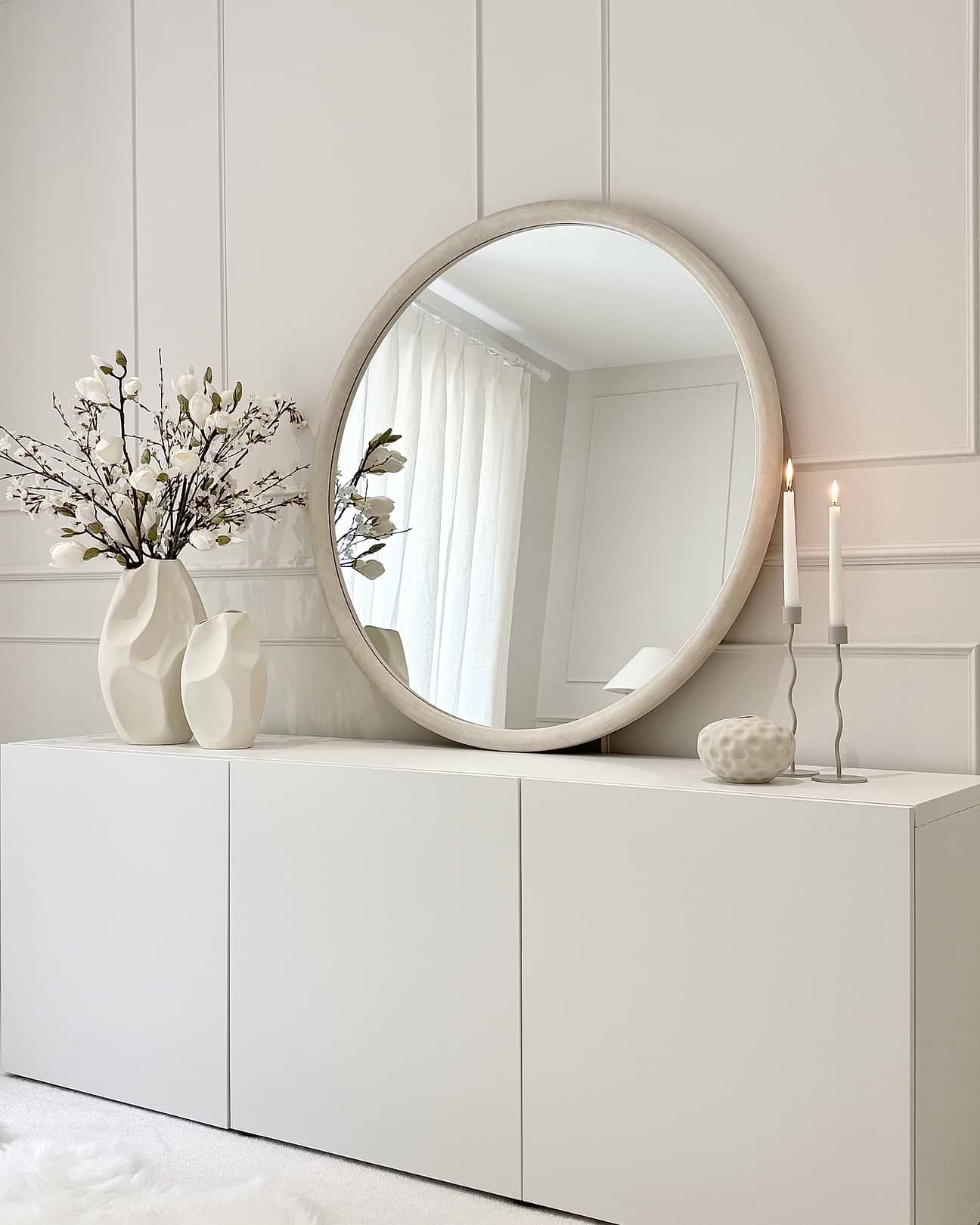
One of the most common mistakes people make is choosing mirrors that are too small. A tiny mirror on a large wall can look lost and fail to have any real impact. Larger mirrors, on the other hand, feel more intentional and add a luxurious feel. If you’re unsure, it’s almost always better to go bigger, especially in areas like hallways, living rooms or bedrooms where mirrors act as major design features. Size still needs to be intertwined with proportion. When hanging a mirror above a piece of furniture such as a console table, sideboard or fireplace, aim for a width of roughly two-thirds of your furniture to create harmony without overwhelming the space. Full-length mirrors should provide a clear head-to-toe view with some breathing room around the edges, so consider both wall height and the distance you’ll stand away from it. Taking a moment to measure the wall and think about your sight-line can prevent awkward setups later.
Explore Complementary Shapes
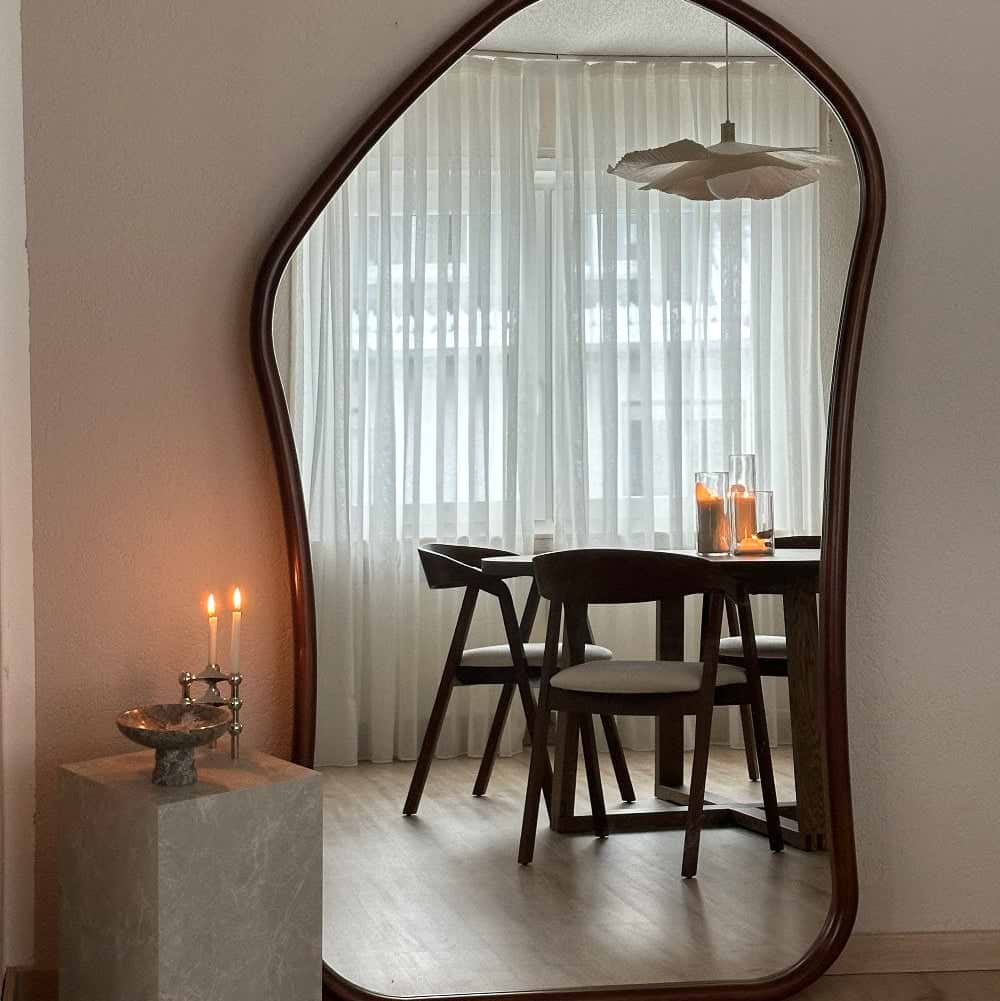
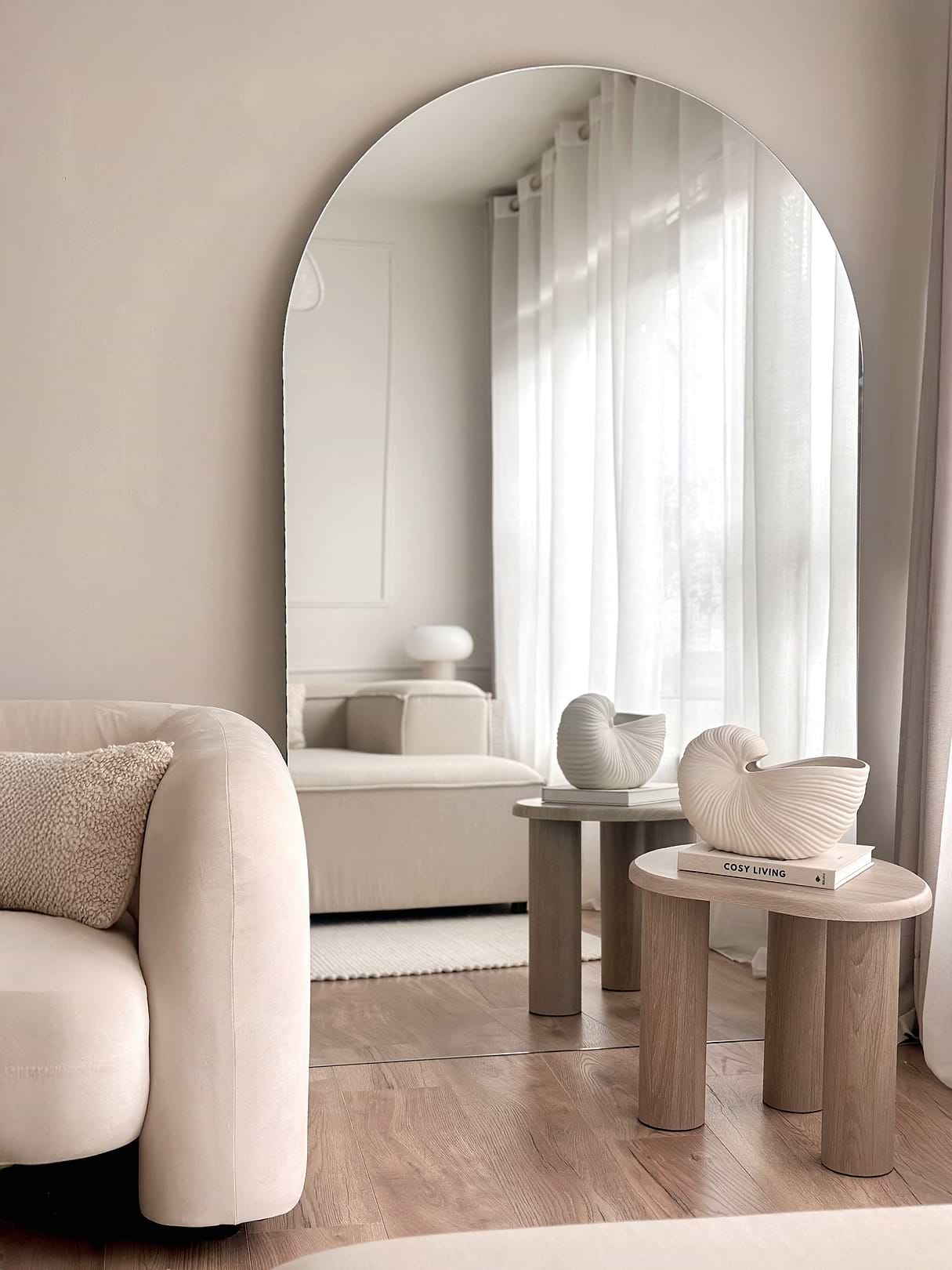
The shape of your mirror plays a big role in developing the atmosphere of a room. Rectangular mirrors offer clean lines that suit most spaces and styles, making them one of the most versatile options. They’re especially effective above fireplaces, desks and dressing tables. Round mirrors, however, introduce softness and curves, breaking up the straight lines that are commonly found in furniture and architecture. They can make a room feel more relaxed and balanced, which is why they’re popular in bedrooms, bathrooms and hallways. If you want something a little more dramatic, consider arched, window-style or elongated mirrors. These add height, elegance and architectural interest, making them ideal for entryways or spaces that lack character. On the other end of the spectrum, organic or irregular-shaped mirrors have become increasingly popular in modern interiors. These can be used as statement art pieces and work well in minimalist or contemporary homes where you want a sculptural focal point.
Reflect Your Interior Style
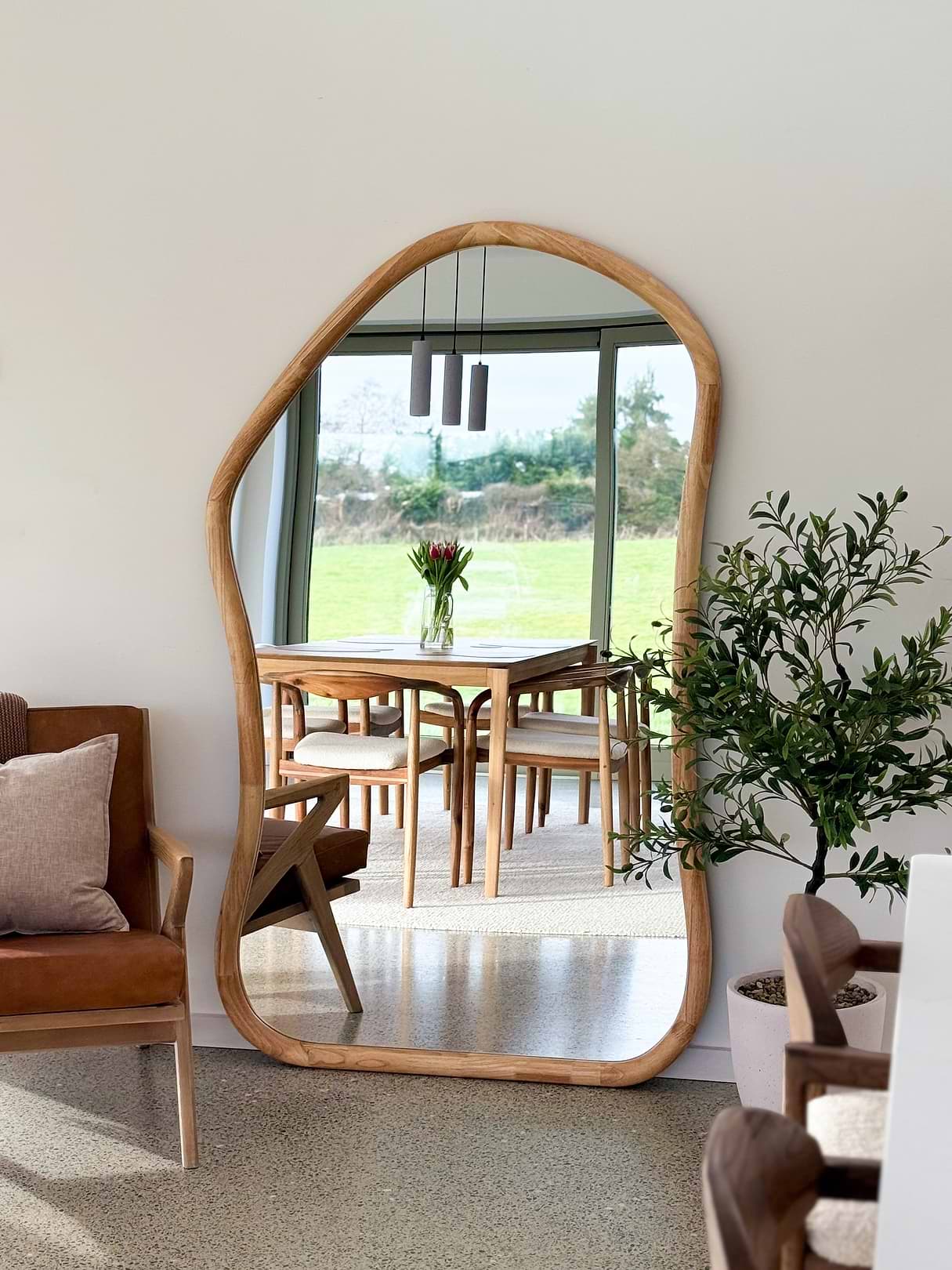
The frame can completely transform the look of your mirror, so choose one that aligns with the rest of your décor. Wooden frames, whether light and washed, or a darker walnut tone, can be used to add warmth and texture. They pair beautifully with natural, Scandinavian or boho-inspired interiors. Solid frames, particularly black and gold, give a sleek, refined look that's suited to contemporary, industrial or luxury settings. Black frames are bold and modern, while gold is used to add warmth and elegance. For a minimal and streamlined look, consider frameless designs. These create a clean edge that works especially well in bathrooms, dressing rooms or ultra-modern spaces where simplicity is key. Meanwhile, ornate frames can add a touch of glamour, heritage or drama, depending on the design. These are ideal in traditional homes, vintage-inspired rooms or anywhere you want the mirror to act as a decorative feature in its own right.
Think About Placement and Lighting
Where you place your mirror can have a dramatic impact. A mirror hung opposite a window will brighten the entire space, making it feel airy and vibrant. The effect of this is especially powerful in smaller or darker rooms. In living spaces, placing a mirror behind a lamp or near a light source can help spread warmth and create a cosy glow in the evenings. When hanging a mirror above furniture, make sure to consider both height and centre alignment. A mirror should visually connect with the item below it rather than float awkwardly above it. Full-length mirrors can be wall-mounted or leaned against the wall for a more relaxed, modern look.
Think About Your Colour Scheme
Although mirrors are reflective, their frames and finishes still influence your colour palette. A bold black frame can act as an anchor in light, neutral rooms, creating depth and contrast. Brass or gold frames introduce warmth and pair well with jewel tones, earthy palettes or luxe interiors. Silver and chrome finishes tend to suit cooler-toned spaces, while natural wood blends beautifully with soft whites, beiges and greens. Mirrors also reflect colours already present in the room, which means placing one opposite a brightly coloured wall can amplify that shade throughout the space. Use this intentionally: reflect a feature wall for added impact, or reflect neutral space if you prefer a calmer atmosphere. Consistency is key, so try to match your mirror’s frame with other details such as door handles, lamps, picture frames or fixtures.
Make Your Space Your Own
Choosing the right mirror for your home is a balance of style, purpose and practicality. Mirrors have a unique ability to elevate a room with minimal effort, whether you want to create openness, increase brightness or make a bold design statement. Take the time to measure, explore different styles, and think about how you want your home to feel. At William Wood, we offer a wide range of different styles, finishes and sizes so that you can find something perfect for your home. The right mirror doesn’t just reflect your home, it transforms it.