Skip to content



Dark Wood is Having a Moment - Why Designers Can't Get Enough
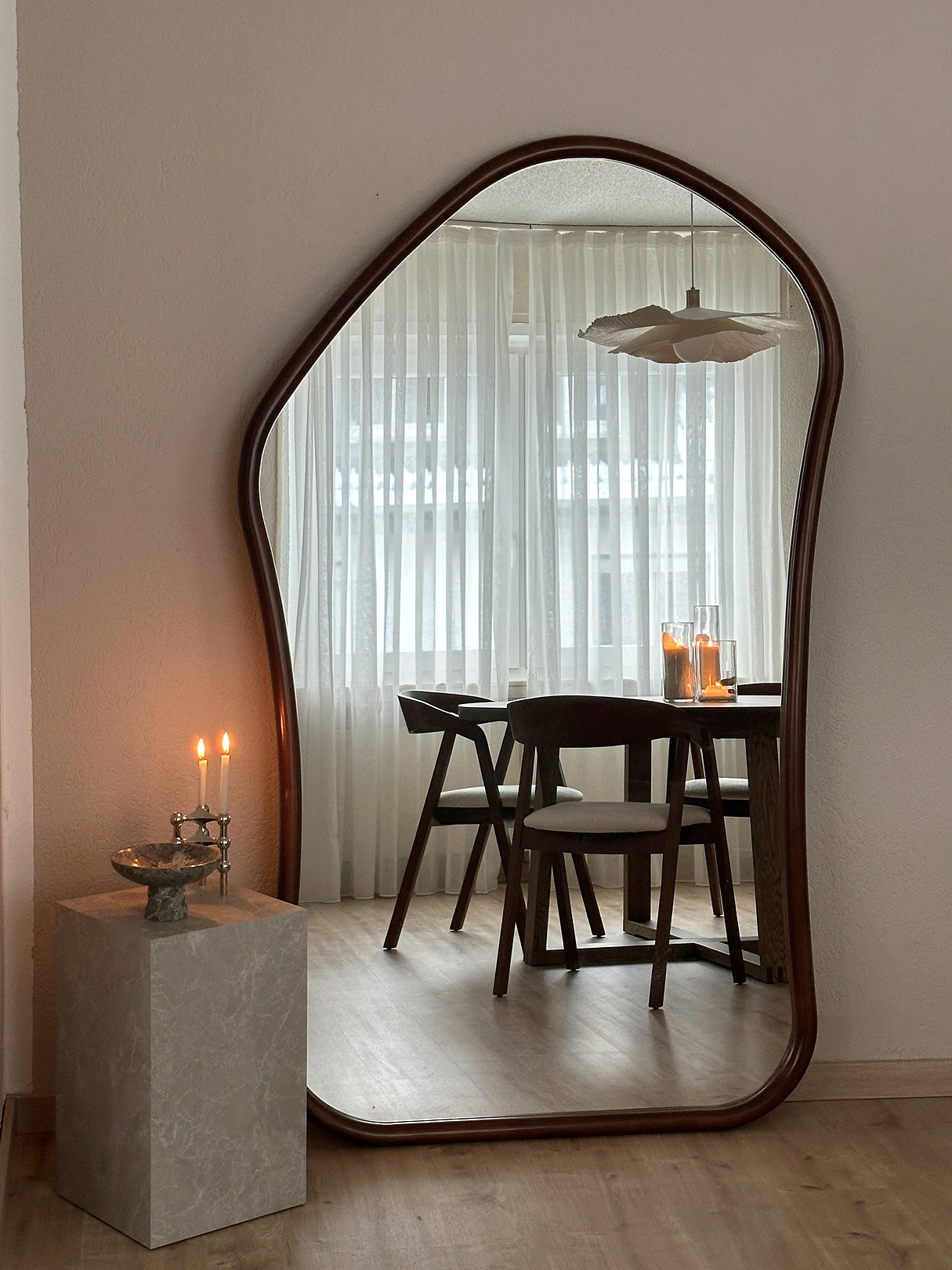
For years, interior design has leaned toward pale palettes, white-on-white rooms, creamy beige tones, and Scandinavian wood. But recently, dark woods have made a striking comeback. Design magazines are embracing rich colours, earthy tones as homeowners move away from minimalism and return to depth and atmosphere.
At the centre of this shift is dark furniture - particularly in wood mirrors. These pieces add warmth and sophistication to interiors, creating a focal point that feels both contemporary and timeless.
Why Dark Wood Feels Luxurious
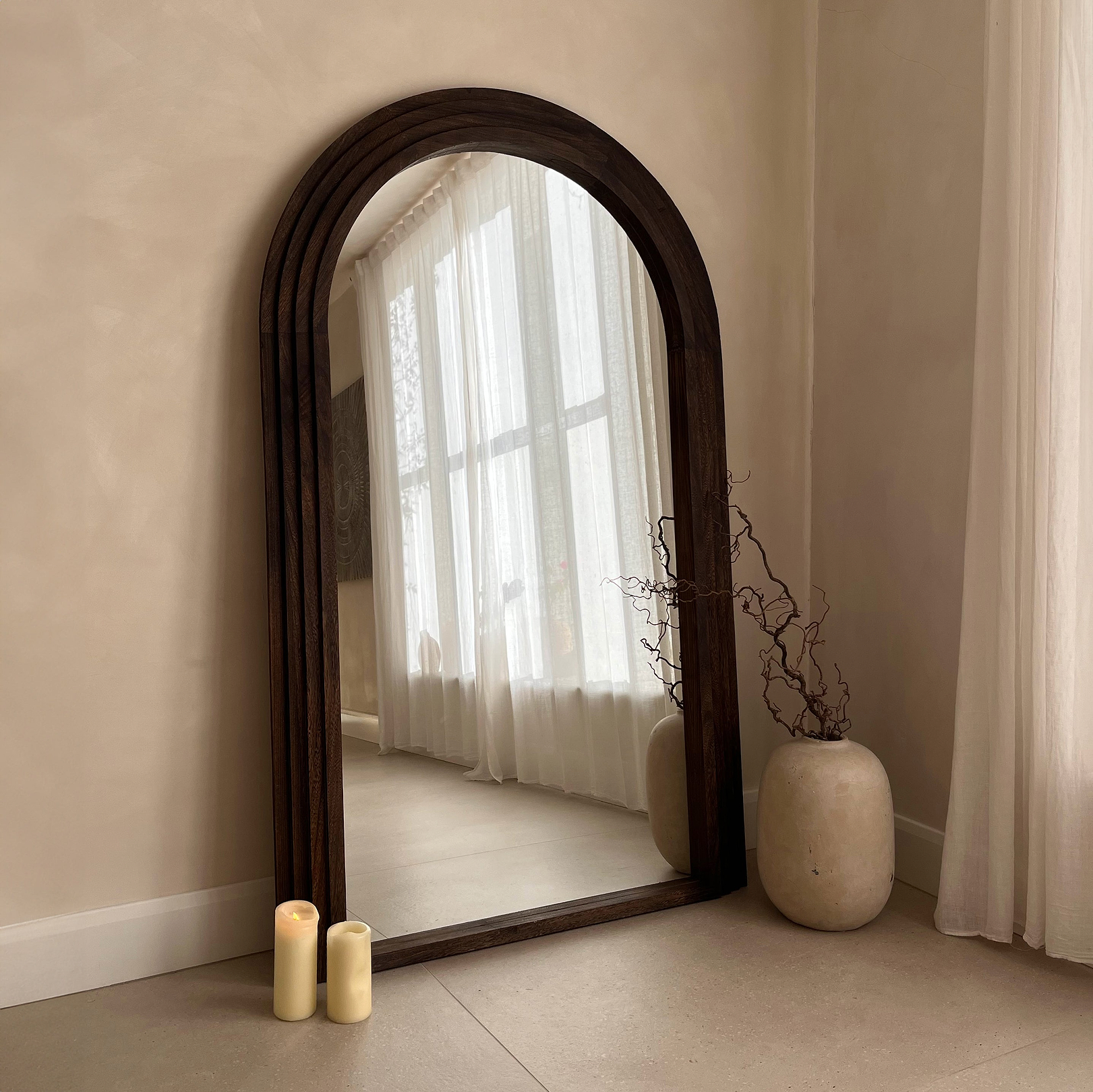
Dark woods such as walnut or espresso stains naturally feel richer because of their grain, depth, and colour. When placed against lighter walls or neutral colours, they create a subtle contrast that immediately elevates a room’s aesthetics. Unlike weathered wood or more rustic textures, darker finishes have presence. They draw the eye, grounding a space in a way light wood rarely can.
The appeal also lies in how well the darker materials complement natural materials. Leather, bouclé fabrics, travertine, linen, and indoor plants all enhance the warmth of dark wood furniture. These combinations create a layered feeling that interior experts describe as quiet luxury. It’s the kind of styling you’ll find in Italian midcentury design, moody interiors, and Art Deco-inspired homes - timeless but never old-fashioned.
Using Dark Wood Mirrors as a Design Anchor
Placing a darker mirror within a room is one of the easiest ways to introduce depth without making a space feel heavy. The surface immediately balances the dark frame by bouncing light around the room. In spaces where natural light is limited, mirrors are transformative: they amplify ambient lighting and make deeper tones feel intentional rather than overwhelming.
A dark-framed mirror above a fireplace instantly creates a focal point. In hallways or dressing areas, a tall, wavy mirror becomes sculptural, giving the impression of height and movement. Even in smaller homes, pairing a mirror with ambient lighting - sculptural lamps, accent lighting, or recessed LED lights - creates atmosphere without relying on bright overhead bulbs.
The mirror becomes functional, but it also becomes decor.
Balancing Colour and Wooden Textures
The fear of dark furniture often comes from the belief that it will make a room feel smaller. In reality, colour choice matters more than furniture tone. Dark wood thrives when paired with rich colours such as burgundy, oxblood, or deep terracotta. These create harmony rather than contrast and express confidence in the room’s identity.
If you prefer a lighter aesthetic, seafoam green, soft blue shades, or warm neutral colours soften the effect while allowing the dark wood to be the hero. Many homeowners are experimenting with colour drenching, using the same tone on walls, ceilings, and even wood paneling. Dark, earthy shades - especially beside limewash paint - look incredible when offset by deep décor or dark wood floors.
The Secret to Making Dark Wood Glow
Lighting transforms how dark wood behaves in a room. When paired with layered lighting - task lighting for reading nooks, accent lighting to highlight textures, and ambient lighting to soften the edges - dark wood becomes warm and inviting rather than stark or severe.
A vanity or dressing table in dark wood becomes luxurious when paired with soft lamps and reflective surfaces. A dark mirror near a window captures outdoor views, creating a sense of openness. Sculptural lamps on either side of a wooden armoire or cabinet draw attention to the wood grain, giving it depth and enhancing the mirror’s reflection.
Good lighting doesn't hide dark furniture - it celebrates it.
Mixing Wood Varieties
A common misconception is that all wooden furniture must match. Interior designers rarely match everything. Instead, they aim for repetition of tones and textures throughout the room so the design feels intentional.
For example, a walnut mirror might sit above custom-built-ins finished in a softer Scandinavian wood. Wooden shelves nearby may echo the darker tone, while cabinet stains and wood countertops introduce subtle variation. This creates visual rhythm, without feeling chaotic.
The key is not uniformity, but balance.
How Dark Furniture Speaks to Modern Home Decor Trends
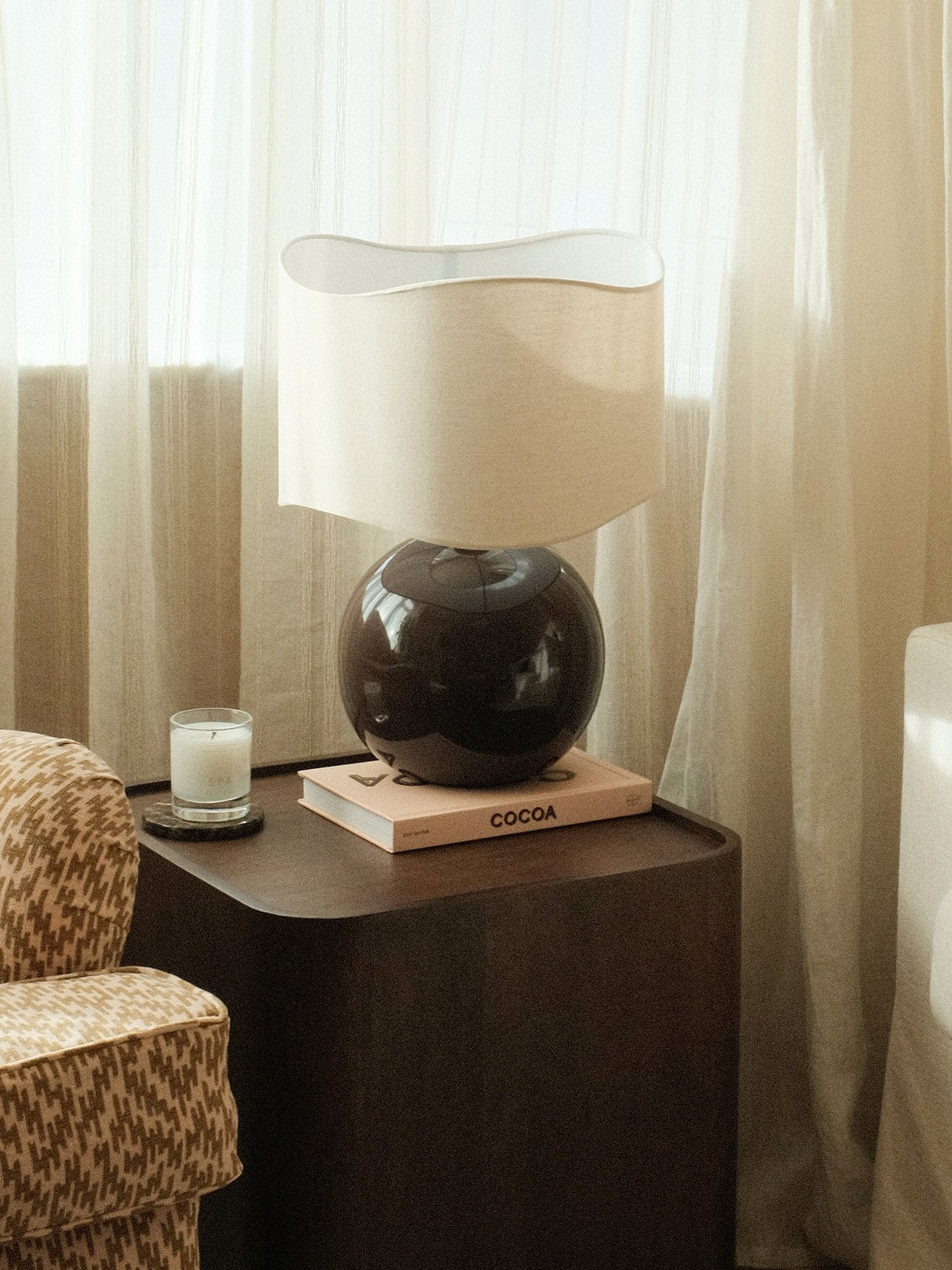
Home decor trends for 2025 are leaning toward cosiness, expressive colour, multifunctional furniture, and handcrafted materials. Dark furniture works beautifully in this environment because it supports these themes effortlessly.
Dark woods look right at home alongside bouclé armchairs, curved shapes, upcycled furniture, antique patinas and sculptural decor accents. They work in homes drawn to maximalism as well as those leaning toward minimalism. The juxtaposition of dark wood and mirrored surface introduces a tension between matte and shine, classic and modern.
It’s this play between contrast and cohesion that makes Dark Wood feel so refined.
Confidence in Design Form
Dark woods allow you to express personality and confidence in your space. They add structure where rooms feel empty and soften rooms that feel stark. Whether you’re working with dark wood floors, a mirror with a deep espresso frame, or a statement piece like a mirrored coffee table, dark tones have the power to transform a space.
At William Wood, we specialise in beautifully crafted mirrors that are made to work with today’s interiors - whether you gravitate toward moody, colour-drenched spaces or more neutral, light-filled homes. Our collection features rich wood tones, refined grain, and timeless shapes that bring a sense of craftsmanship into modern design.