Skip to content




Modern life is fast-paced and technology-driven, leading many homeowners to seek ways to create calmer, more restorative living spaces.
One design philosophy that has grown significantly in popularity is biophilic design. But what is biophilic design, and how can it transform your home?
Organic shapes, natural materials, and furniture inspired by nature all help to create a biophilic interior. A space that feels balanced, welcoming and timeless.
What is Biophilic Design?
Biophilic design is an interior design philosophy that seeks to reconnect people with nature within built environments. The term "biophilia" originates from the Greek words for love and life. Erich Fromm was the first to coin the term “biophilia”, but it was popularised by biologist Edward O. Wilson. Wilson suggested that humans have an innate desire to connect with the natural world.
In practice, biophilic design incorporates natural materials, organic forms, natural light, greenery, textures and colours inspired by nature. The goal is to create spaces that feel harmonious, calming and restorative.
Rather than simply adding a few houseplants, biophilic design considers how an entire environment can reflect the patterns, shapes and sensory experiences found in nature.
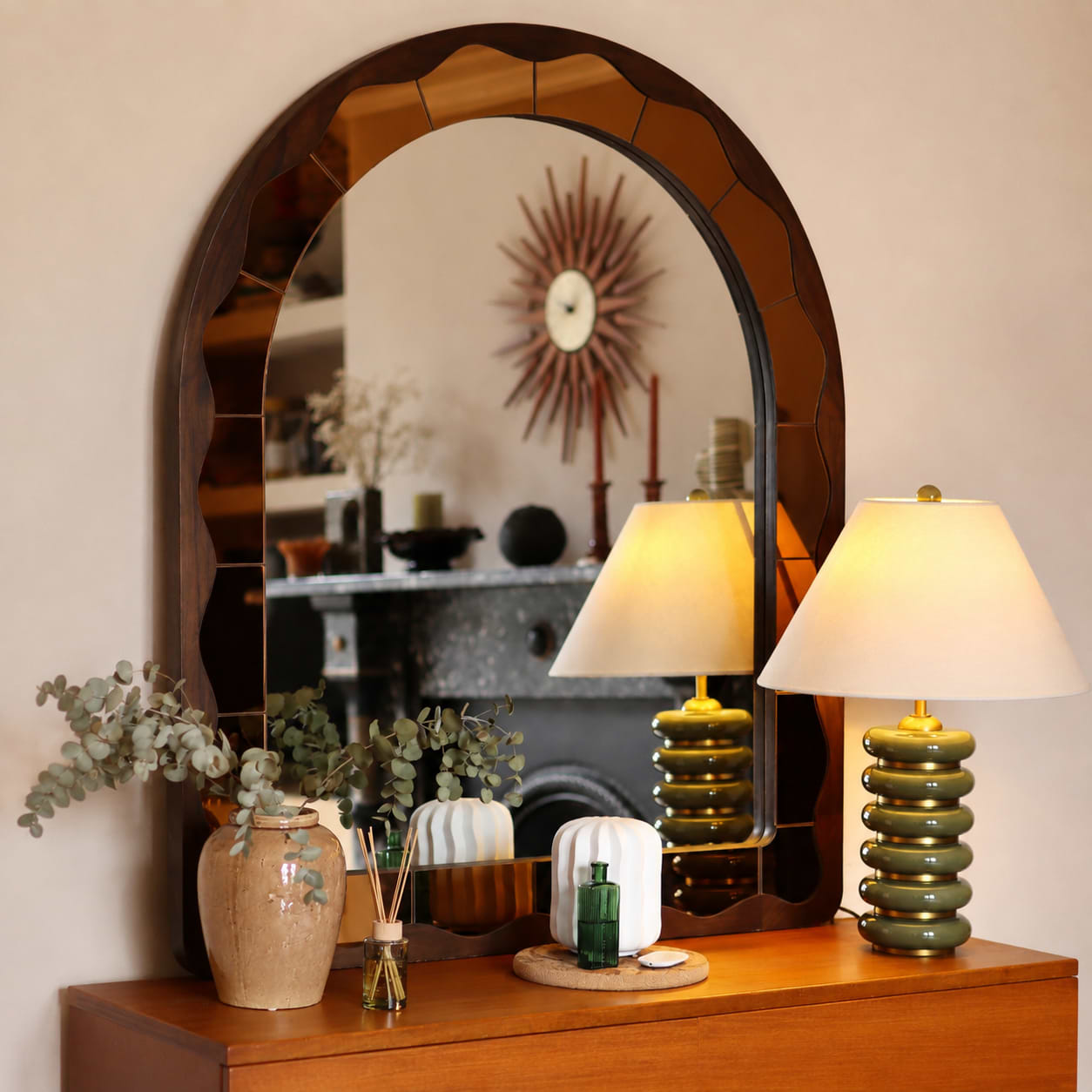
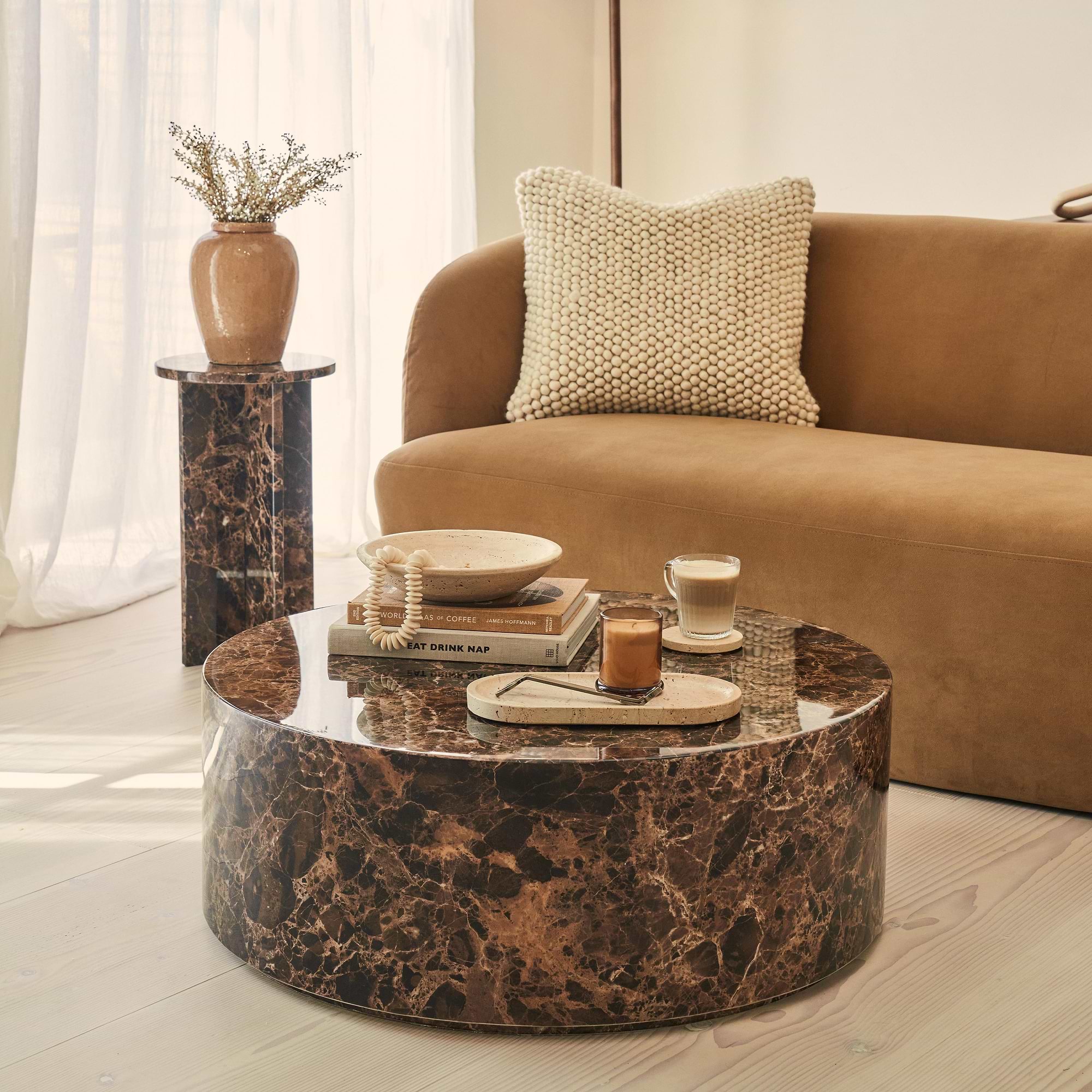
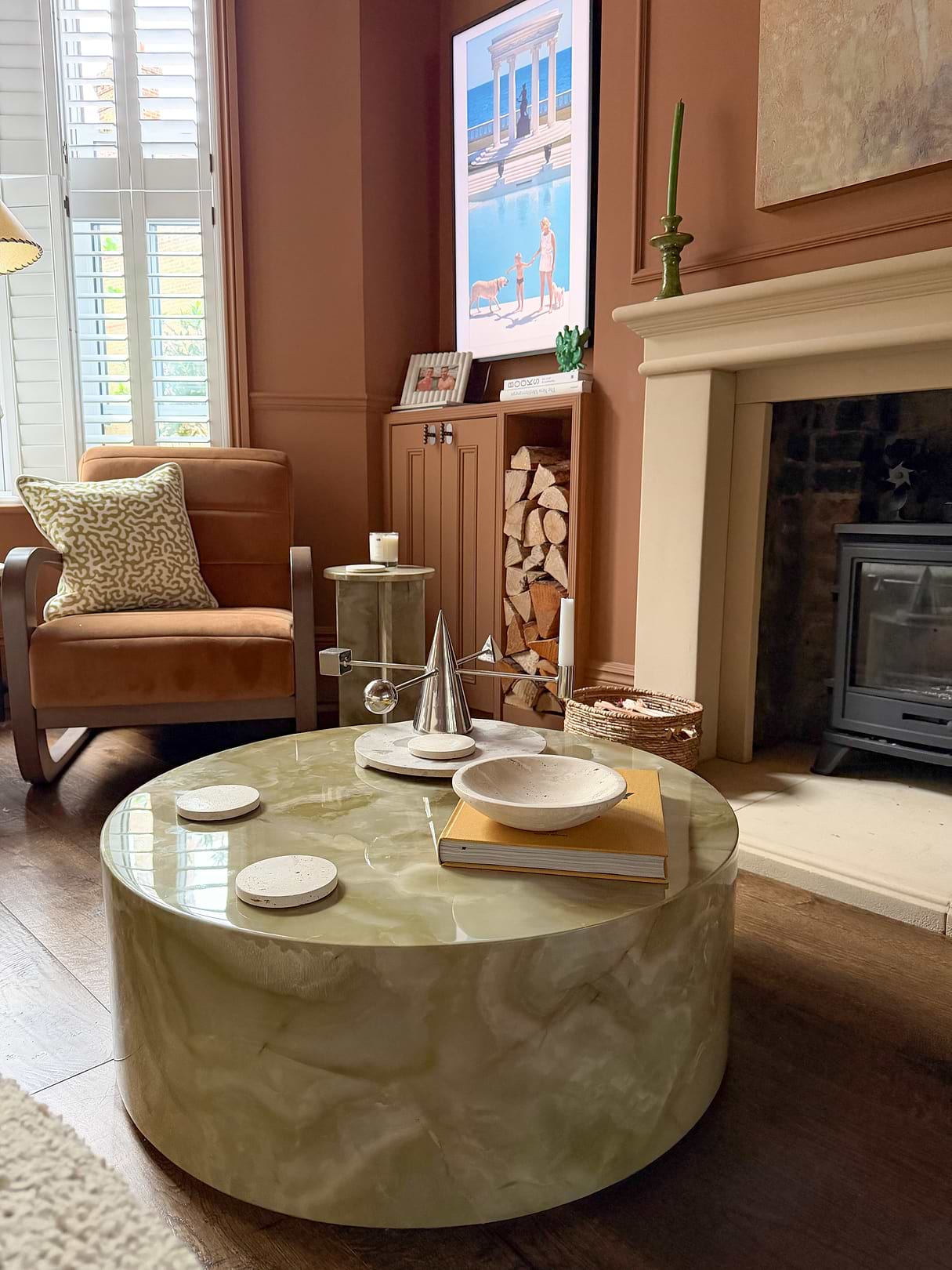
For homeowners, this can mean introducing curved furniture, irregular mirrors, wooden textures, stone finishes and earthy colour palettes. The key part is to evoke the feeling of being outdoors while enjoying the comfort of an interior space. For inspiration, explore our Biophilic Collection.
Why is Biophilic Design So Popular?
The growing popularity of biophilic design reflects a wider desire for wellbeing-focused interiors.
Many of us spend the majority of our time indoors, working from home, relaxing or socialising. As a result, there is increasing interest in creating interiors that feel more connected to nature.
Biophilic spaces are often associated with:
-
A greater sense of calm and relaxation
-
Reduced visual stress
-
Improved mood and well-being
-
More comfortable interiors
-
Nature-inspired aesthetics
The Core Biophilic Design Principles
Stephen Kellert, who collaborated with Wilson, took Wilson’s biological theory and translated it into design principles. Understanding these key biophilic design principles can help you to create a cohesive and balanced interior.
1. Natural Materials
One of the most recognisable aspects of biophilic design is the use of authentic, natural materials.
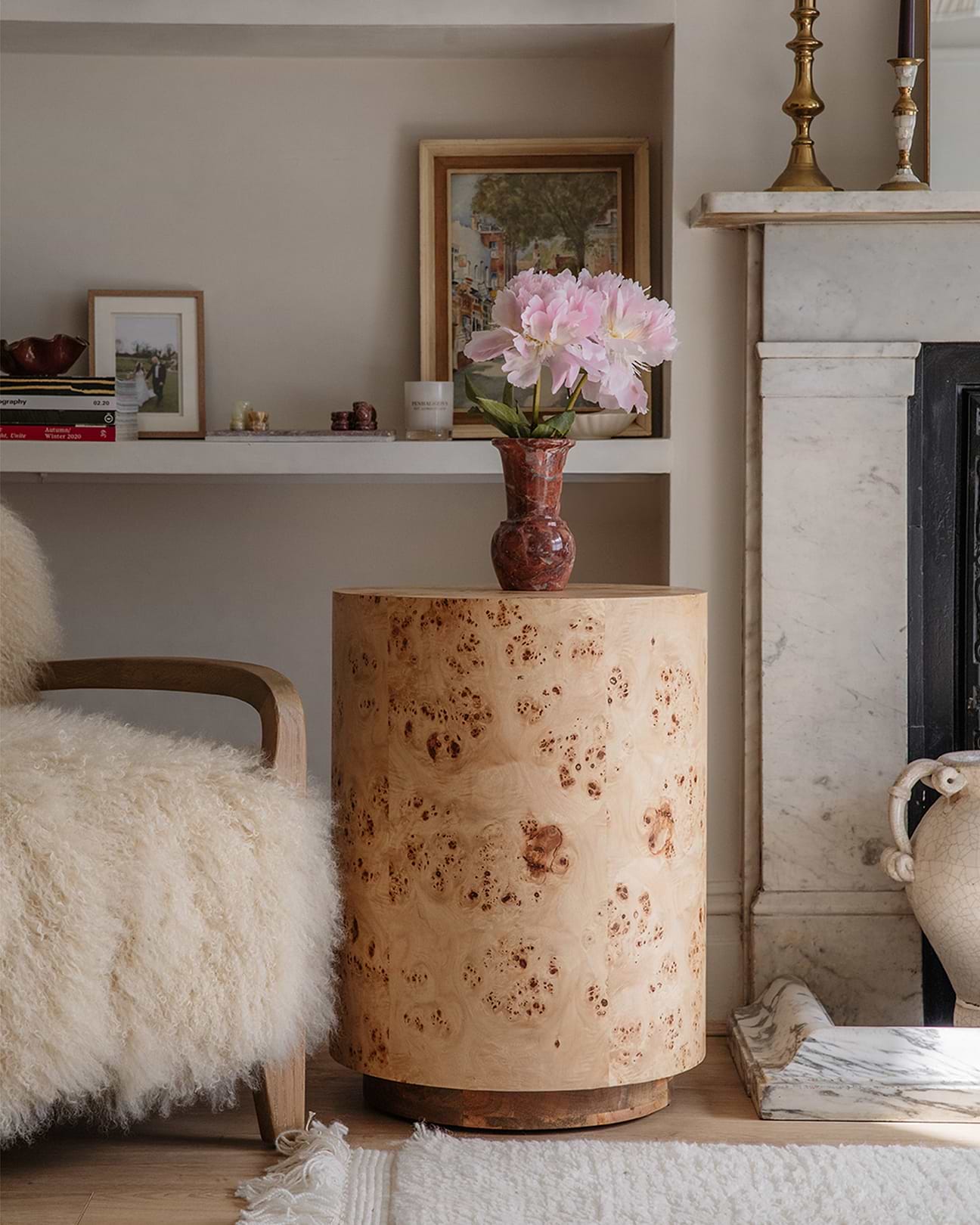
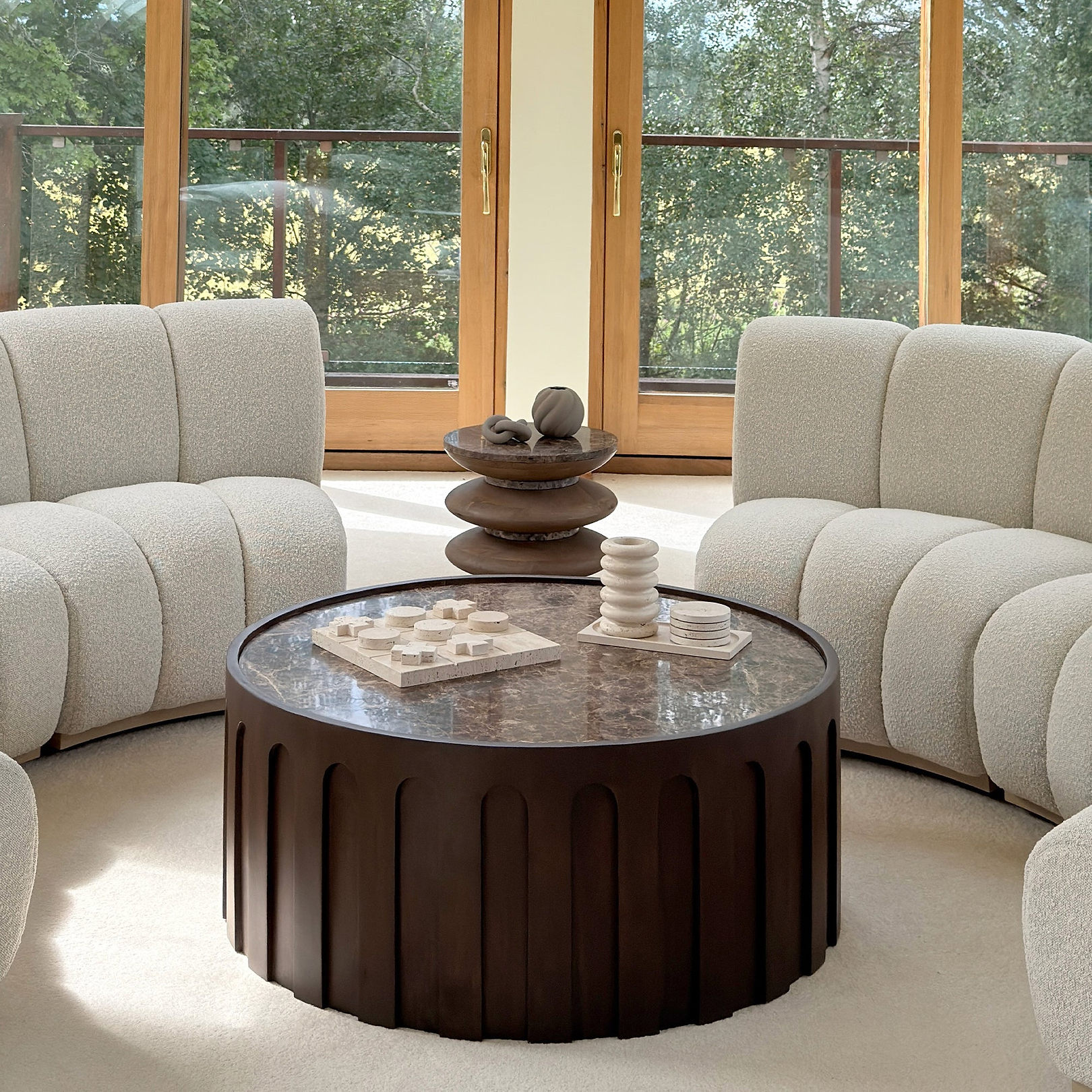
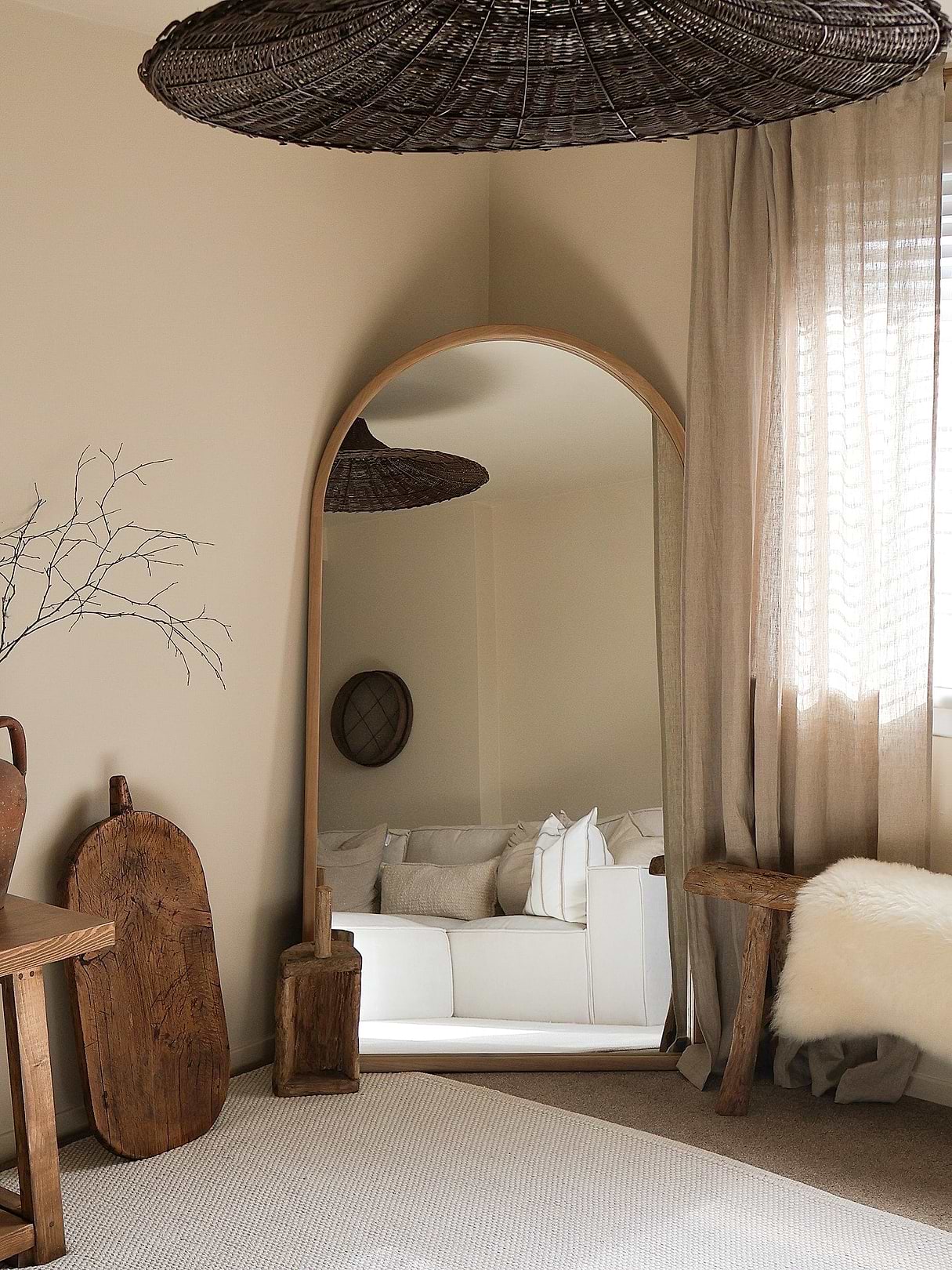
Wood, stone, linen, cotton, rattan and natural fibres all contribute to a tactile, organic atmosphere. These materials introduce texture and warmth while reflecting the natural environment.
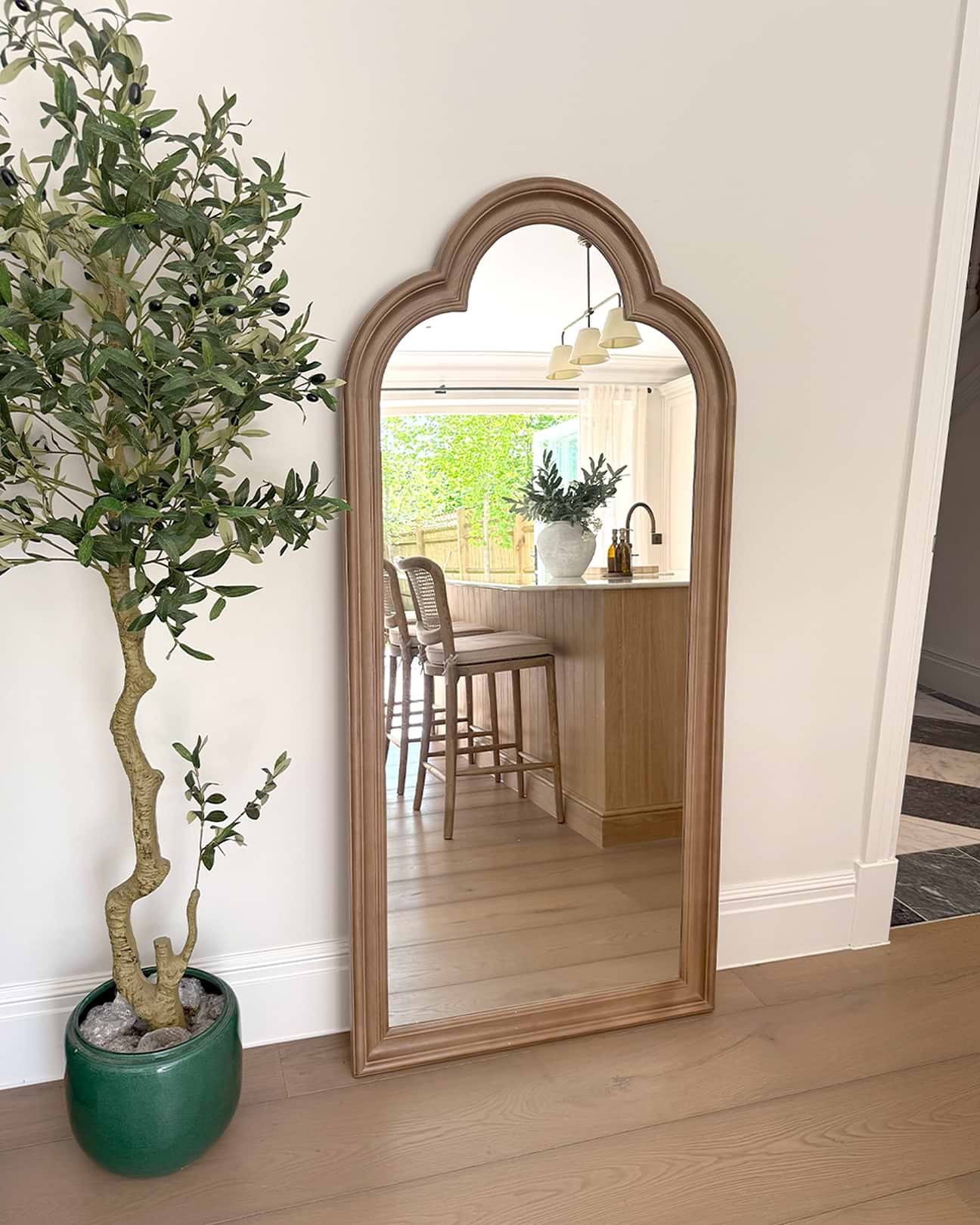
Wood-framed mirrors, sculptural coffee tables and furniture with natural grain patterns can reinforce this connection to nature.
2. Organic Shapes and Forms
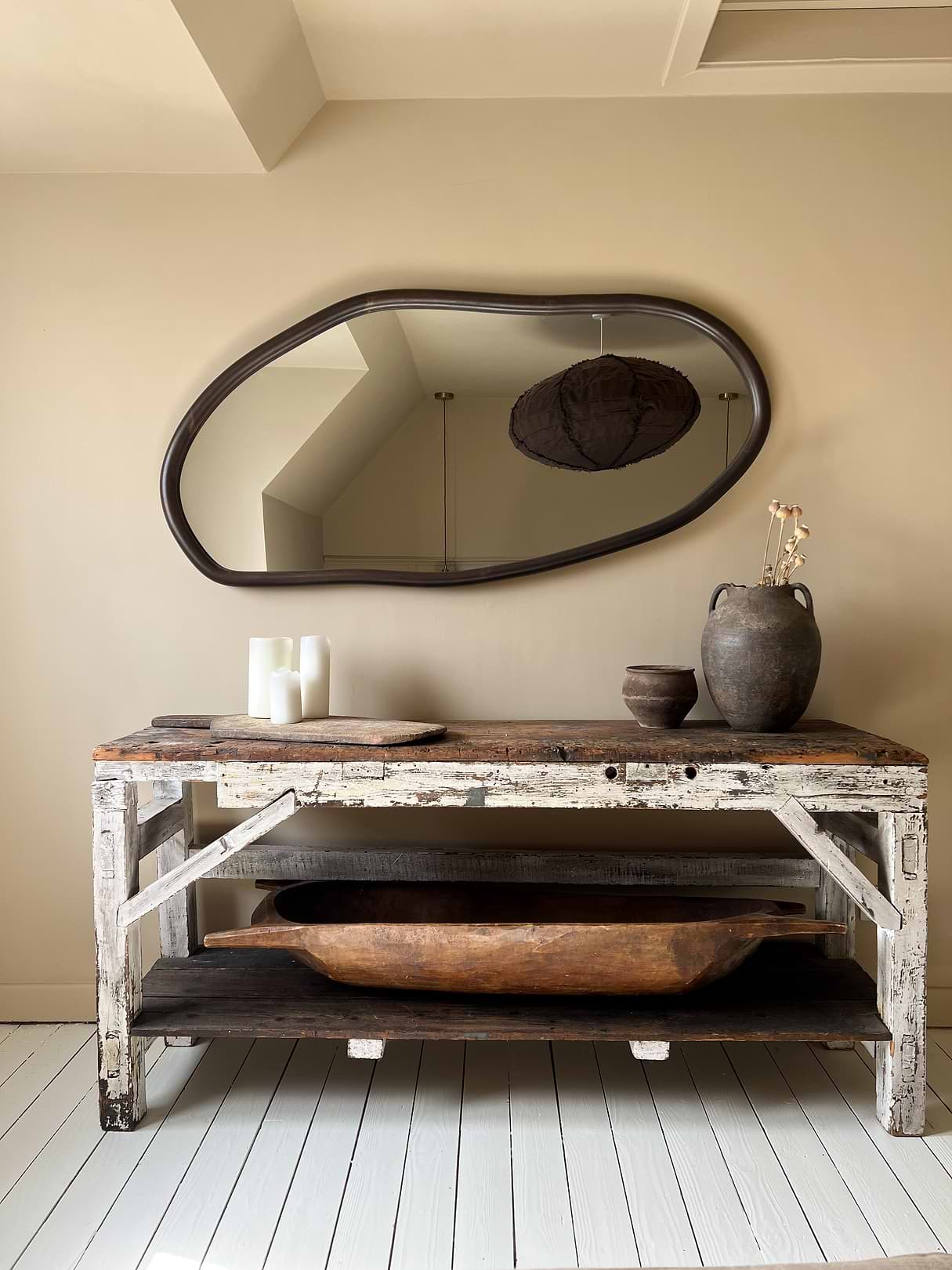
Nature rarely follows perfectly straight lines. Biophilic design embraces curved silhouettes, irregular forms and flowing shapes inspired by landscapes, water and plant life.
This can be seen in furniture with soft contours, asymmetrical mirrors and statement pieces that mimic natural movement.
For example, irregularly shaped mirrors create a softer visual impact than traditional rectangular mirrors. Introducing a sculptural element to the room.
3. Natural Light
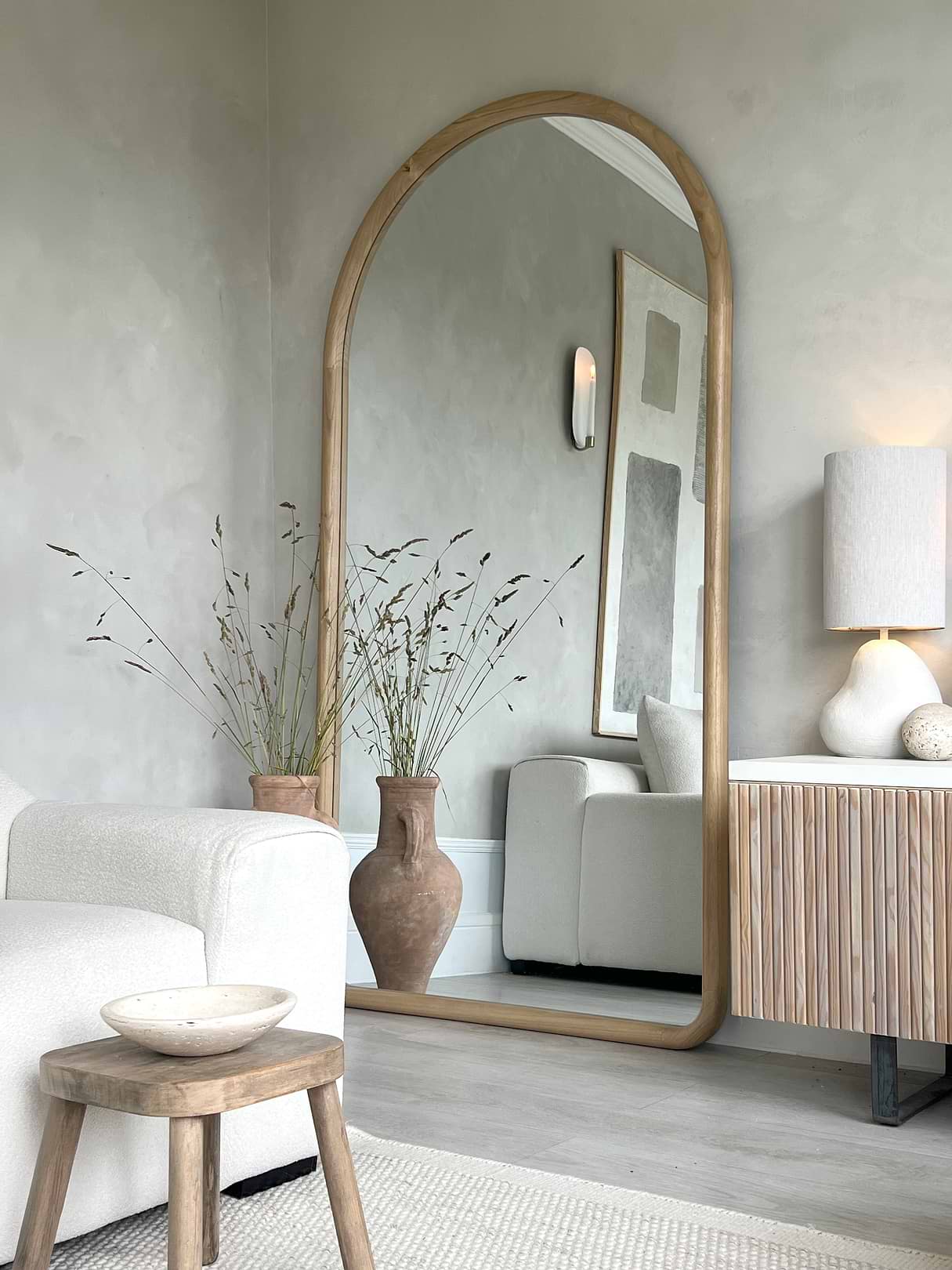
Maximising natural light is another important biophilic design principle. Sunlight helps create brighter, healthier and more uplifting interiors. Positioning mirrors strategically can amplify the available light and make spaces feel larger and more open.
Large mirrors are particularly effective in hallways, living rooms and bedrooms where they can reflect daylight and surrounding natural textures. For example, placing a large mirror opposite a window can enhance the sense of openness within a room.
4. Connection to Natural Colours
Biophilic interiors often draw inspiration from earthy landscapes. Natural colours include:
-
Warm browns
-
Soft beiges
-
Olive greens
-
Stone greys
-
Sand tones
-
Terracotta accents
These colours create a calming backdrop that complements natural materials and organic shapes. Rather than relying on bold, high-contrast palettes, biophilic design tends to favour layered neutrals and nature-inspired hues that feel timeless and relaxing.
5. Visual Connection with Nature
Plants remain one of the simplest ways to introduce biophilic design into a home. Add a large indoor tree, trailing greenery or a collection of smaller houseplants; natural foliage brings life and texture into interior spaces.
However, visual connection with nature extends beyond plants alone. Natural textures, landscape-inspired artwork and furniture with organic forms all contribute to the same effect.
Combining greenery with natural wood pieces and curved furniture creates a layered look that feels intentional and cohesive.
How to Incorporate Biophilic Design in Your Home
Planning out rooms can be difficult, so we've got a few ideas to help you create your dream living space.
Living Room
Start with natural materials such as wooden coffee tables, textured fabrics and woven accessories. Introduce soft curves through furniture and décor, and use a large statement mirror to reflect natural light.
Bedroom
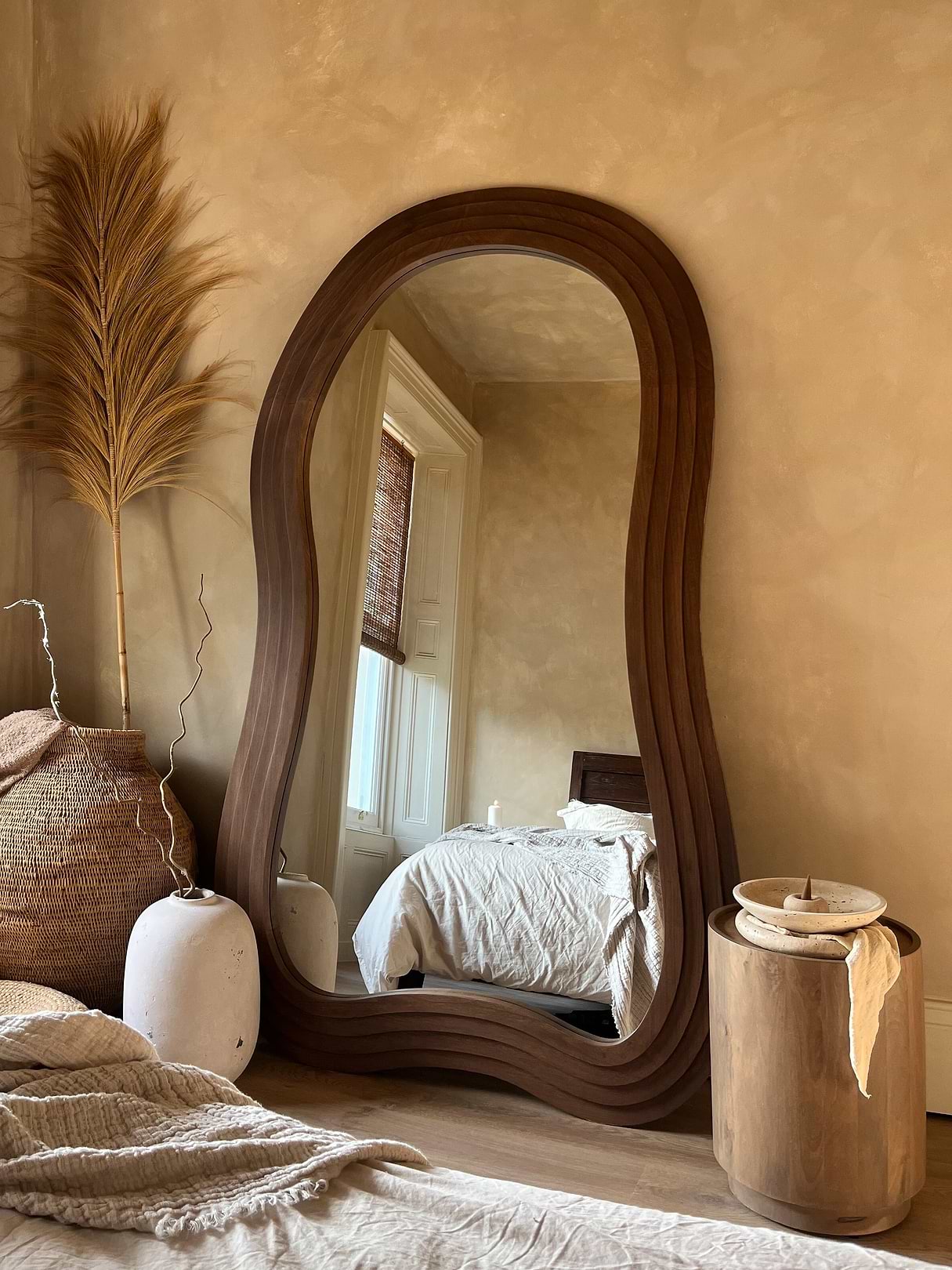
Biophilic bedrooms should prioritise comfort and tranquillity. Choose calming neutral tones, natural bedding materials and furniture with soft silhouettes. Full-length mirrors with a wood-effect frame can reinforce the natural aesthetic, offer practicality and enhance light and space. Adding greenery and layered textures will further strengthen the connection to nature.
Hallway
Hallways often lack natural light, making mirrors particularly valuable. Adding a mirror can brighten the space and create the illusion of greater depth. Pairing natural wood finishes with plants and warm lighting establishes a welcoming atmosphere from the moment you enter the home.
Dining Area
In dining spaces, biophilic design works particularly well through the use of natural materials and sculptural furniture. Wood dining tables, curved seating and lighting can create a relaxed environment ideal for entertaining.
Common Biophilic Design Mistakes to Avoid
Biophilic design may appear effortless, but there are a few common mistakes worth avoiding.
-
Overcrowding with Plants: Plants are important, but biophilic design is about creating balance. Too many plants can make a space feel cluttered rather than calming.
-
Ignoring Natural Light: Even the most beautifully styled room can feel disconnected from nature if it lacks sufficient light. Consider mirror placement carefully to maximise brightness.
-
Mixing Too Many Styles: Biophilic interiors work best when materials, colours and shapes feel cohesive. Focus on a consistent palette and complementary textures.
-
Choosing Artificial Materials: Where possible, prioritise authentic materials over synthetic alternatives. Natural wood, stone and textured fabrics create a richer and more convincing connection to nature.
Bringing Biophilic Design Into Your Home
It's easy to see why this nature-inspired approach has become one of the most influential interior design movements today.
By embracing key biophilic design principles, you can create spaces that feel beautiful and restorative.
For those looking to embrace the trend, our curated Biophilic Collection is perfect. Featuring organic mirrors, sculptural furniture and nature-inspired statement pieces designed to bring a calming, intentional aesthetic to every space.