Skip to content




A perfectly styled shelf adds texture, colour, and personality to the space. No matter if you are decorating a floating shelf in the kitchen or a console table, the principles of good design remain the same.
Many homeowners struggle to find the right balance between functionality and aesthetics, ending up with a display that feels too cluttered or too sterile. Learning how to style a shelf is a skill that can be developed with a few key guidelines and a bit of creative confidence. It is less about following rigid rules and more about understanding the rhythm of visual composition.
In this guide, we will explore the essential elements of styling a shelf, from the foundational layout to the final touches that bring it together.
Planning Before You Place
Before you grab a book or decorative object, assess your space. Styling a shelf begins with a clear vision.
Look at the shelf in the context of the room. What is the wall colour? What is the surrounding furniture? The shelf should complement, not compete with, its environment.
If your room is already filled with bold patterns and vibrant colours, a shelf with a minimalist, neutral arrangement might provide the necessary breathing room. In a monochromatic room, a shelf can be the place to introduce personality.
Once you have a general idea of the aesthetic you want to create, clear the shelf completely. Wipe down the surface and remove everything. This empty canvas allows you to see the potential of the space without the distraction of existing clutter.
The Rule of Three and Visual Weight
One of the most effective techniques in shelf styling is the rule of three. Our brains naturally find odd numbers more appealing than even numbers, as they create a sense of balance. When grouping objects, try to arrange them in sets of one, three, or five. For example, instead of placing two identical vases side by side, consider grouping three books with a small sculpture on top, or a large plant with two smaller candles.
Visual weight is another critical concept. Heavier objects, such as large books, ceramic pots, or framed art, should generally be placed lower on the shelf to anchor the display. Lighter items, like small figurines, glassware, or airy plants, work well higher up or towards the edges. This creates a pyramid-like structure that feels stable and intentional. If you place a large, heavy item at the top, the display can feel top-heavy and precarious, whereas a balanced arrangement draws the eye naturally from bottom to top.
Mixing Textures and Materials
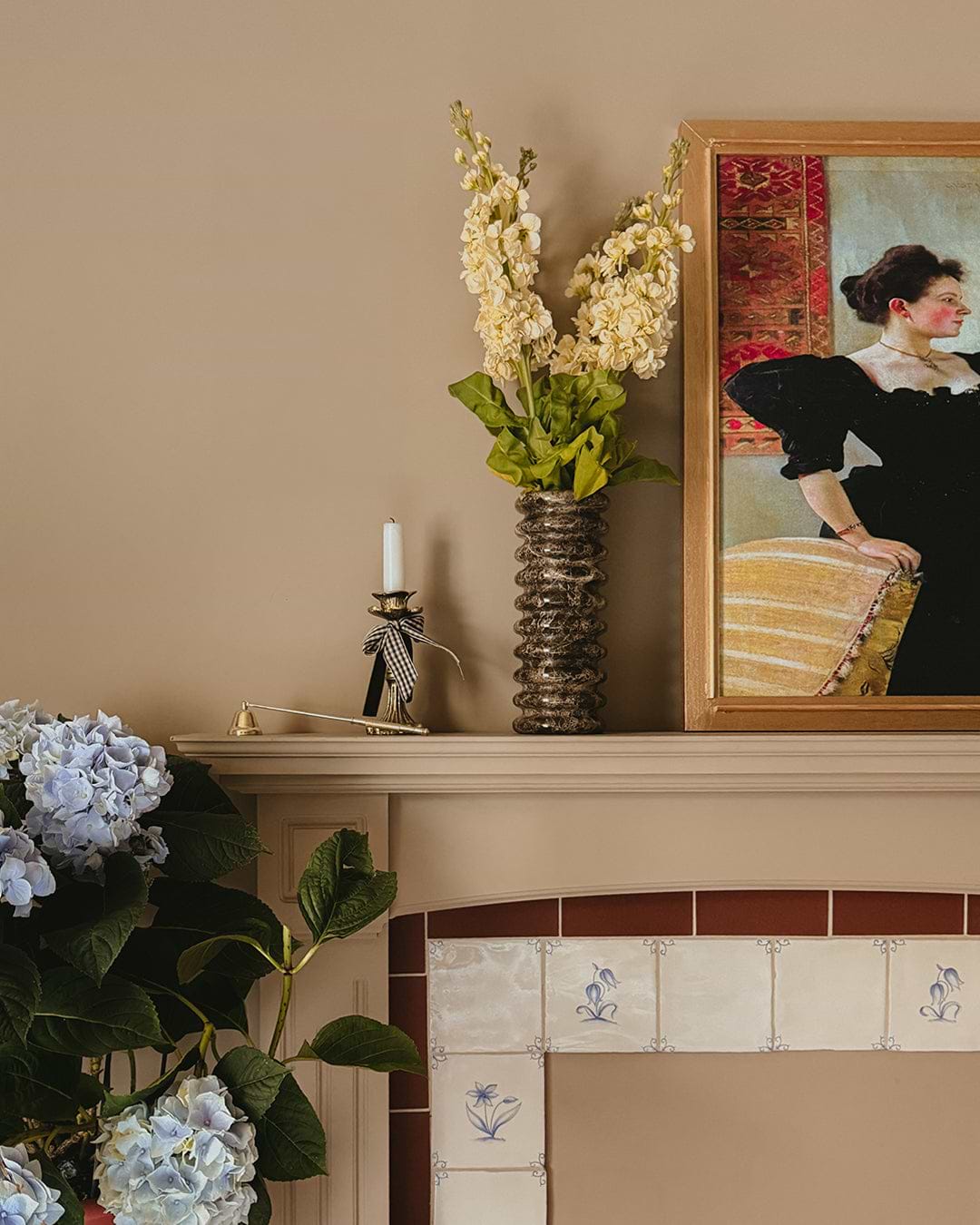
Shelf styling comes alive through texture. A shelf filled only with books and glass objects can feel flat and one-dimensional. To add depth and interest, mix a variety of materials. Combine metal with wood or fabric with stone.
Start by selecting a few key textures that you want to feature. Perhaps you love the look of natural linen, so incorporate a small throw blanket or a linen-covered box. If you enjoy the industrial look, add a metal candle holder or a wire basket.
The key here is to ensure these textures speak to each other. A curated selection of two or three contrasting textures can improve the entire display.
Style Shelves with Books and Storage
Books are a staple in many shelf displays, but they don't have to be arranged strictly by size or colour. Try stacking some books horizontally and standing others vertically. This creates a natural ledge for other objects.
Storage is also a crucial part of how to style a shelf, especially if you need to hide away items that are functional but not decorative. Baskets, boxes, and bins are incredibly useful for this. They keep clutter out of sight while adding texture and colour. Choose containers that fit the aesthetic of your room; a wicker basket works well in a bohemian setting, while a lacquered box fits a modern space. The goal is to make the storage itself look like an interior design element.
Adding Life and Personality
Plants bring greenery and vitality to any space. A trailing plant can soften the hard lines of a floating shelf, while a small succulent can add a pop of colour to a corner.
If you don't have a green thumb, high-quality artificial plants can provide the same visual benefit without the maintenance.
Personal items are essential for styling a shelf with character. Display items that have meaning to you: a travel souvenir, a family picture, or a piece of art. These items tell your story and make the space feel lived-in. Don't be afraid to mix the old home decor with the new, or the expensive with the found.
Lighting and Final Touches
Natural light is ideal, but if your shelf is in a darker corner, consider adding a small LED strip or a lamp. Lighting draws attention to specific items and creates a warm, inviting space. It highlights the textures and colours you have carefully arranged.
Before you finish, step back and look at the shelf from a distance. Are there any gaps that need filling? Is there an area that feels too crowded? Adjustments are normal; styling a shelf is a process. Move things around until the composition feels right. If it feels balanced and pleasing to you, it likely will be to others as well.
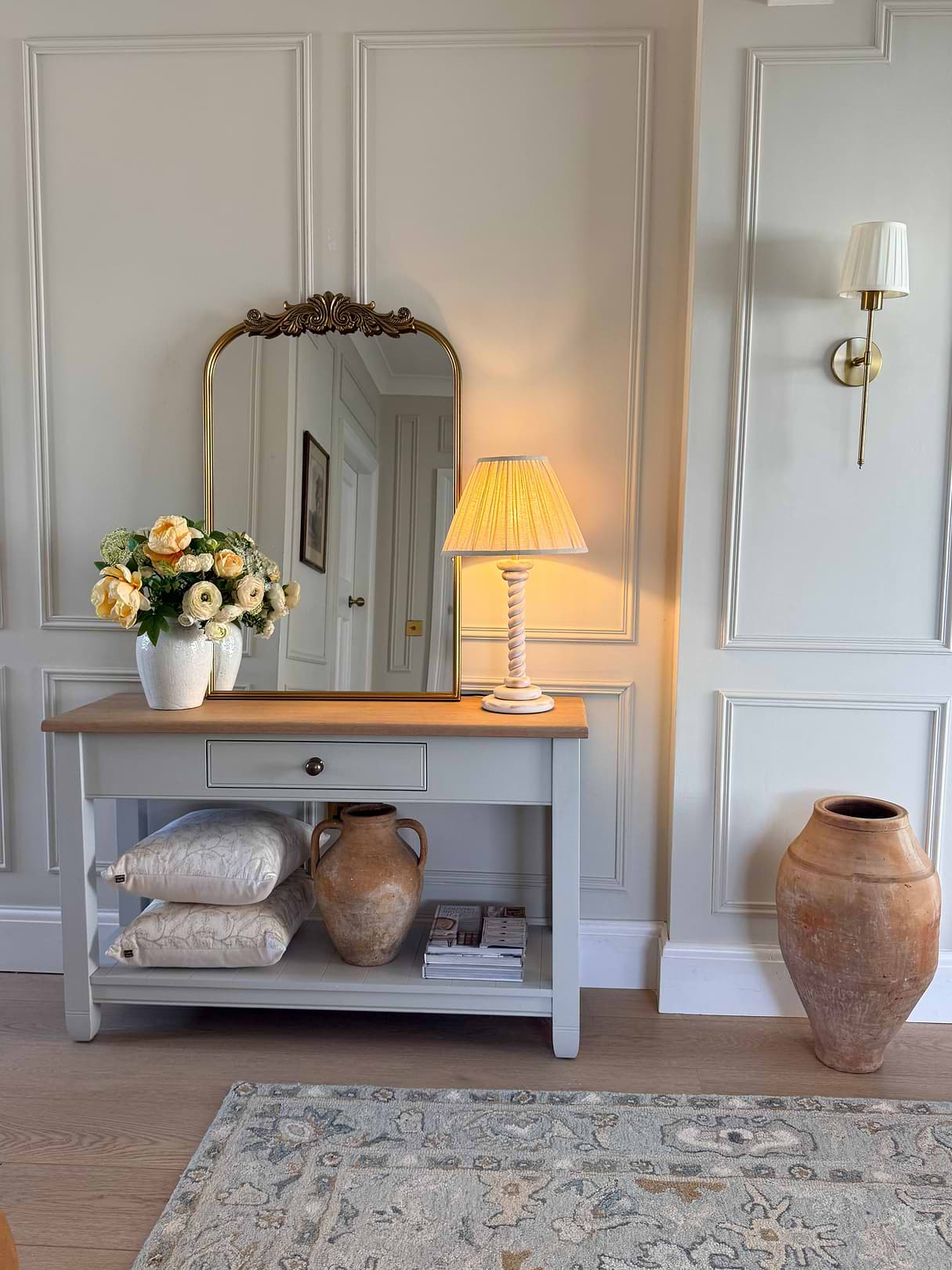
Key Elements of Styling a Shelf
Learning how to style a shelf is a journey of self-expression and creativity. It is about curating a space that reflects your personality while adhering to the fundamental principles of interior design.
By focusing on visual weight, mixing textures, and incorporating personal items, you can create a display that is functional and aesthetic. There are no strict rules, only guidelines to help you achieve visual interest and a harmonious look.
Styling a shelf is about making a room look good and creating a space that feels like home. Start small, experiment with different arrangements, and watch your space come to life.
Our collection of luxury vases can add to any shelving unit. Utilise as a statement piece or decorate with dried flowers.