Skip to content




The way we furnish our homes, and the furniture industry itself, has changed dramatically over the last decade. Just like fashion brands, new interior trends emerge almost weekly and cheap furniture is readily available. It has never been easier to refresh a room at short notice. However, this convenience has also given rise to a growing issue known as fast furniture.
Much like fast fashion, fast furniture is designed to be inexpensive, trend-driven and produced quickly.
As consumers become more conscious of sustainability and quality, many are looking for ways to invest in pieces that stand the test of time rather than following short-lived trends. Here's what fast furniture really means, why it matters, and how you can make more considered choices for your home.
What is Fast Furniture?
Fast furniture refers to mass-produced pieces of furniture and home accessories that are manufactured quickly and sold at low prices. They are designed to create or chase trends which are, by nature, short-lived. These pieces are often made using lower-cost materials and production methods, allowing retailers to offer the latest fashionable designs at accessible price points.
While there's nothing inherently wrong with affordable furniture, fast furniture prioritises speed and cost over longevity. Rather than being designed to last for decades, many items are produced with the intent of replacement as trends evolve.
With this cheaper furniture wear and tear begins to show quicker than it would with high-end furniture. Whether it's intentional or not, furniture that degrades quickly usually benefits the retailer the most, because it means that the customer will need to come back for a replacement sooner rather than later.
Common characteristics of fast furniture include:
-
Trend-led designs
-
Low-cost engineered materials
-
Flat-pack construction that's designed for mass production
-
Limited repairability
-
Shorter product lifespans
-
Lower purchase prices encouraging frequent replacement
What is the Problem With Fast Furniture?
The biggest concern surrounding fast furniture is not simply how it's made, but how it's consumed. As pieces of furniture become cheaper and easier to replace, many pieces are discarded long before they've reached the end of their usable life. The cycle of buying, replacing and disposing contributes to increasing landfill while placing a greater demand on raw materials, manufacturing and transportation.
The practice of making poor quality furniture also has a negative impact on the customer. While it might seem like a good deal at first, the need to replace furnishings, rather than keeping them for years to come, will end up costing more money over time.
Choosing well-made furniture that can adapt to changing interiors often proves to be better value over time, both financially and environmentally.
The Environmental Impact of Fast Furniture
Fast furniture can have a significant environmental impact throughout its lifecycle, from manufacturing to disposal. Some of the key concerns include:
-
Increased consumption of raw materials such as timber, metals and plastics.
-
Higher carbon emissions associated with frequent manufacturing and global transportation.
-
Greater volumes of furniture are sent to landfill when items are replaced rather than repaired or repurposed.
-
Synthetic materials are difficult to recycle and may take many years to break down.
-
Short product lifespans that encourage a cycle of overconsumption.
-
Increased packaging waste from shipping large volumes of low-cost furniture.
While many manufacturers are making positive changes, extending the life of furniture remains an effective way of reducing negative environmental impact.
How to Avoid Fast Furniture Brands?
Avoiding fast furniture doesn't necessarily mean spending significantly more. Instead, it's about making more thoughtful purchasing decisions and selecting pieces that are designed to remain part of your home for years to come.
When shopping for furniture consider the following:
Look for Timeless Design
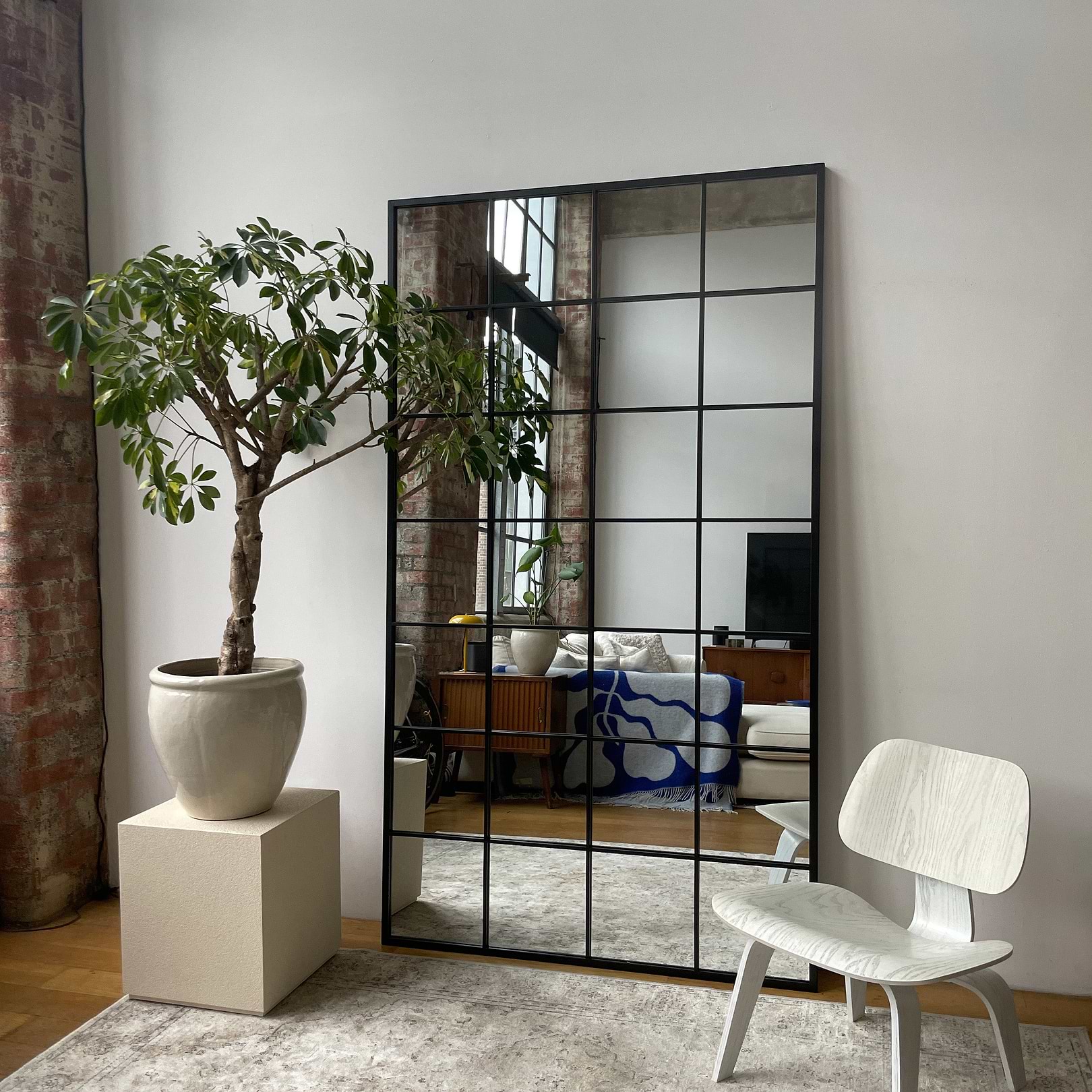
When a design feels timeless rather than trend-led, it's far more likely to be used for year after year, rather than being put away or thrown out when the trend is over. Timeless designs also tend to look great in multiple environments, so they fit in no matter if you decide to redecorate or change the style of your home.
Avoid Less Durable Materials
Fast furniture often relies on lower-cost materials such as particle board, low-density MDF and thin laminate finishes. While these materials can make furniture more affordable, they may be less durable than premium alternatives. A common issue is peeling texture wrappings, where a fake wooden or stone print can pull away from the MDF below.
Opt for Natural Materials and Fibres
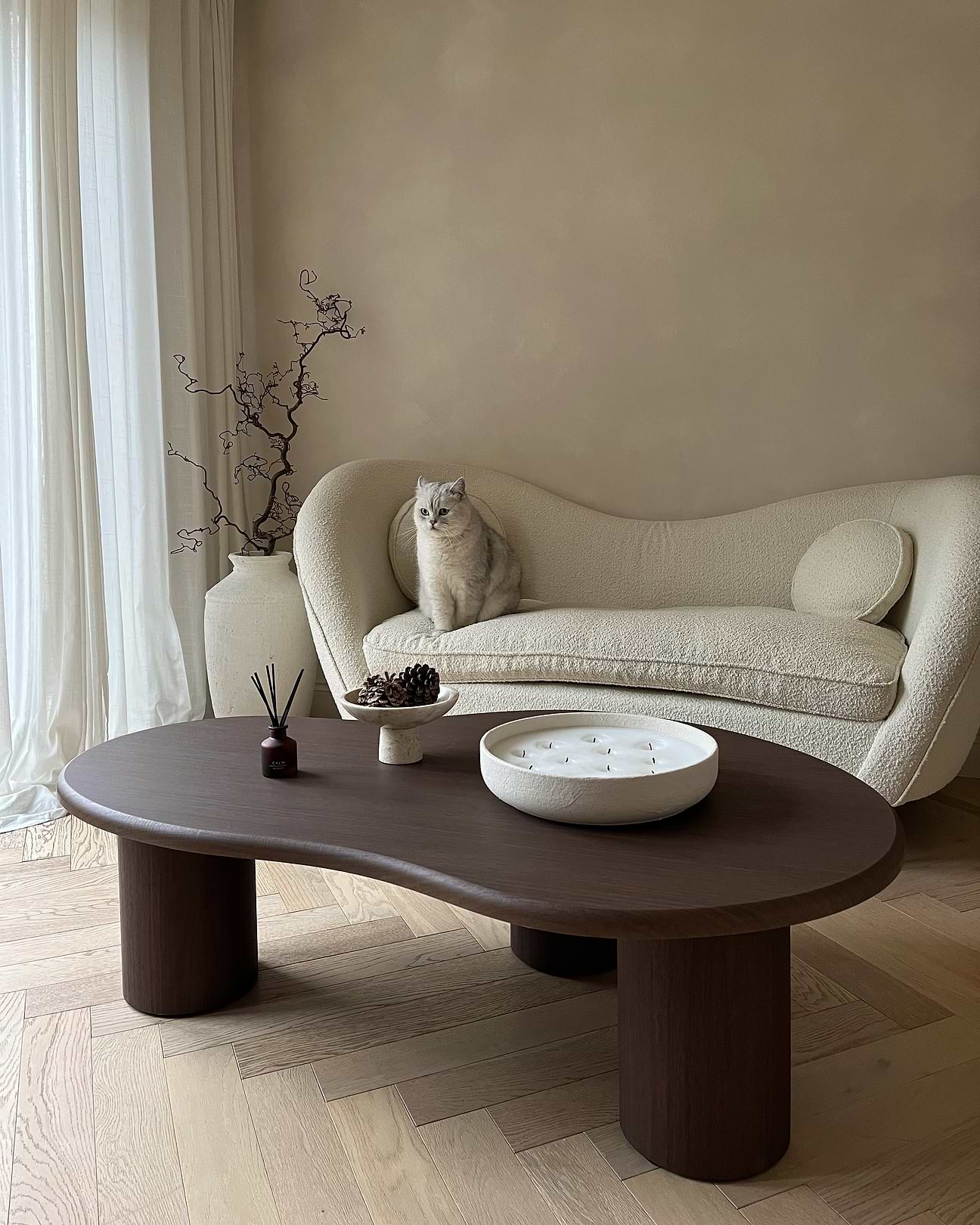
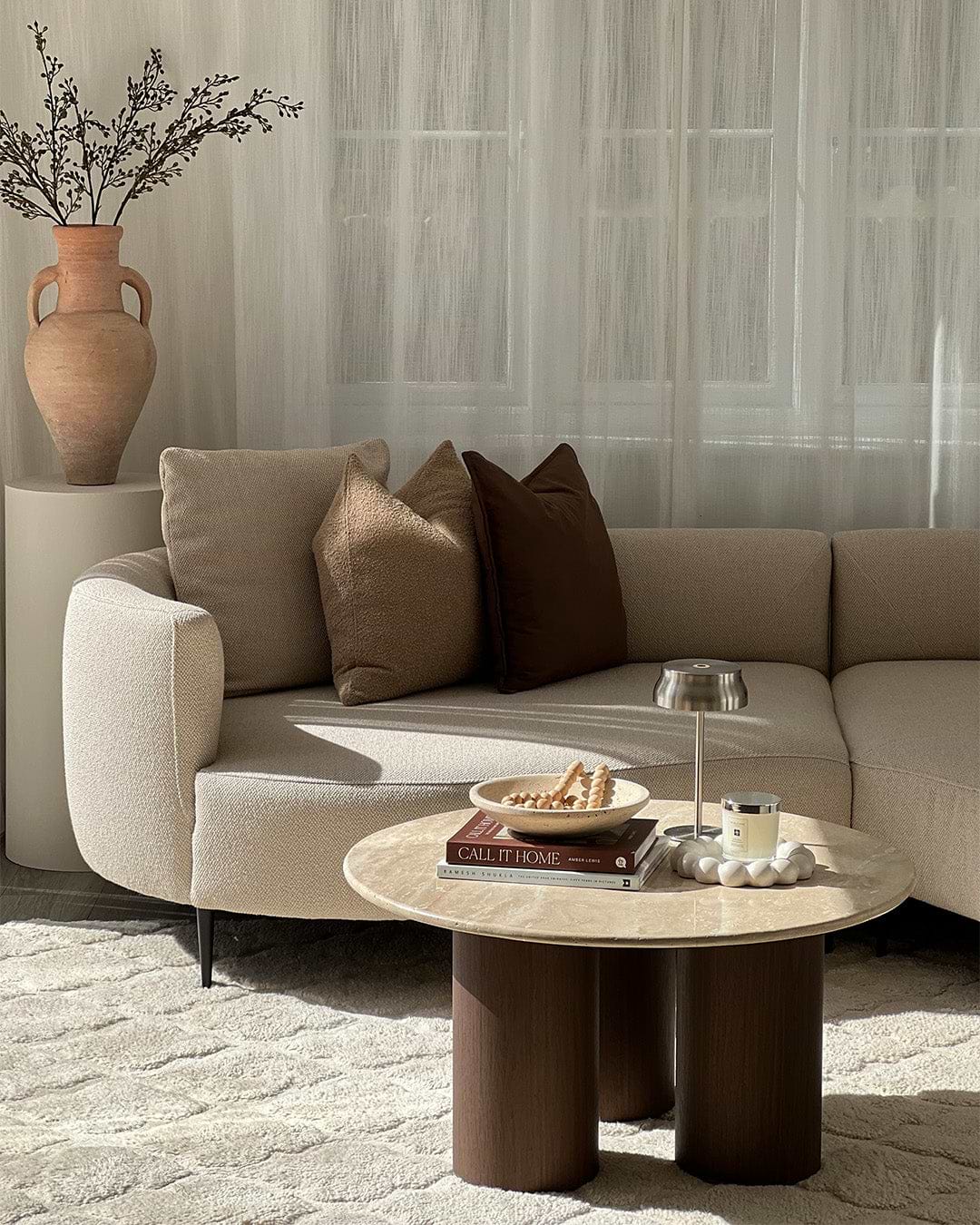
One way to move away from fast fashion-style items is by choosing sustainable furniture that's made from natural materials. Solid wood, marble, travertine, linen, cotton and wool are all valued for their durability, timeless appeal and ability to age beautifully.
Opt for Recycled Materials
Recycled materials help to prevent materials from ending up in landfill. Sustainable brands will look for ways to use recycled or sustainable materials while maintaining a high quality standard.
Look for Quality Craftsmanship
This might be a bit trickier to work out for yourself but try looking for furniture that feels sturdy and well-balanced. For items like coffee tables, try seeing if they have a weight-capacity to judge how well it can hold up (anything over 15kg usually implies that they can withstand daily wear and tear).
Choose Pieces that Fit Different Spaces
It's a great feeling to find a piece of furniture that goes with your other design choices. Maybe it complements the colour of your wall or matches the accent rug you just bought. But it's important to ask yourself what would happen if you redecorated in a year or two or moved to a new home. Truly sustainable furniture should have a flexible quality to its style so it can compliment a wide range of settings.
Decide if it's Easy to Maintain
When thinking about maintenance, the aim isn't necessarily to look for something that involves zero maintenance, but rather something that can be maintained at all. Fast furniture will wear in a way that is hard to fix, which is why it needs replacing so quickly. In contrast, furniture that requires simple maintenance, such as tightening fixings, resealing natural stone, refinishing solid wood or replacing cushion fillings, will last longer and look its best for years to come.
Will You Still Enjoy it in 5 or 20 Years?
This one is a bit trickier to pin down as it is natural for our tastes to change over time. But there are ways to pin-down our own tastes. The first is to ask yourself is, is this is related to a viral trend? If so, let yourself think on it a bit longer until the trend has passed.
The second is, does this have similarities to my old favourites? Look at your current home decor and try to parse out the pieces you've kept the longest, the items that survive a clear out, this includes looking at smaller items like cushions and decorative accessories. Do the ones you keep have something in common? For example, a colour or a material. Use this to guide your bigger furniture purchases.
The William Wood Promise
At William Wood, we believe that beautiful interiors should be built around timeless design rather than passing trends. Our collections are created with longevity in mind, combining premium natural materials, thoughtful craftsmanship and enduring silhouettes that complement both contemporary and classic homes.
Rather than designing for a single season, we create statement mirrors, high-end furniture and decorative objects that are made to become lasting features within your home. From solid natural or recycled materials to carefully considered finishes, every collection is designed to balance style with substance.
Investing in quality doesn't mean following every new trend. It means choosing pieces you'll continue to enjoy for years to come, creating a home that feels personal, considered and effortlessly timeless.