Skip to content




Redecorating a home relies on vision, curation and strategic changes. For homeowners looking to refresh their homes, understanding how to redecorate effectively can unlock a property’s potential without the costs and nightmares of building work.
What is the difference between redecorating and renovating?
Renovation implies restoring something to a good state of repair, often involving structural changes, plumbing or electrical rewiring. Redecorating is about altering the aesthetic and atmosphere of a space through surface-level changes. It is the difference between moving a wall and moving a mirror.
When you focus on redecorating a home, you are working with the canvas you already have, using colour, texture, light and furniture arrangement to create a completely new look. This approach is more budget-friendly and allows for greater flexibility.
Trends change, tastes evolve, and a redecorated room can be updated again in a few years with minimal fuss, whereas a renovation is a more permanent commitment.
How to redecorate a home
When it comes to redecorating a home, there are multiple areas to consider. Are you going to change the lighting? Are you changing the colour scheme? Are you adding more furniture or lessening the volume of items in a room?
Step 1: Paint
The first and perhaps most impactful step in learning how to redecorate is to adapt the colour of your room.
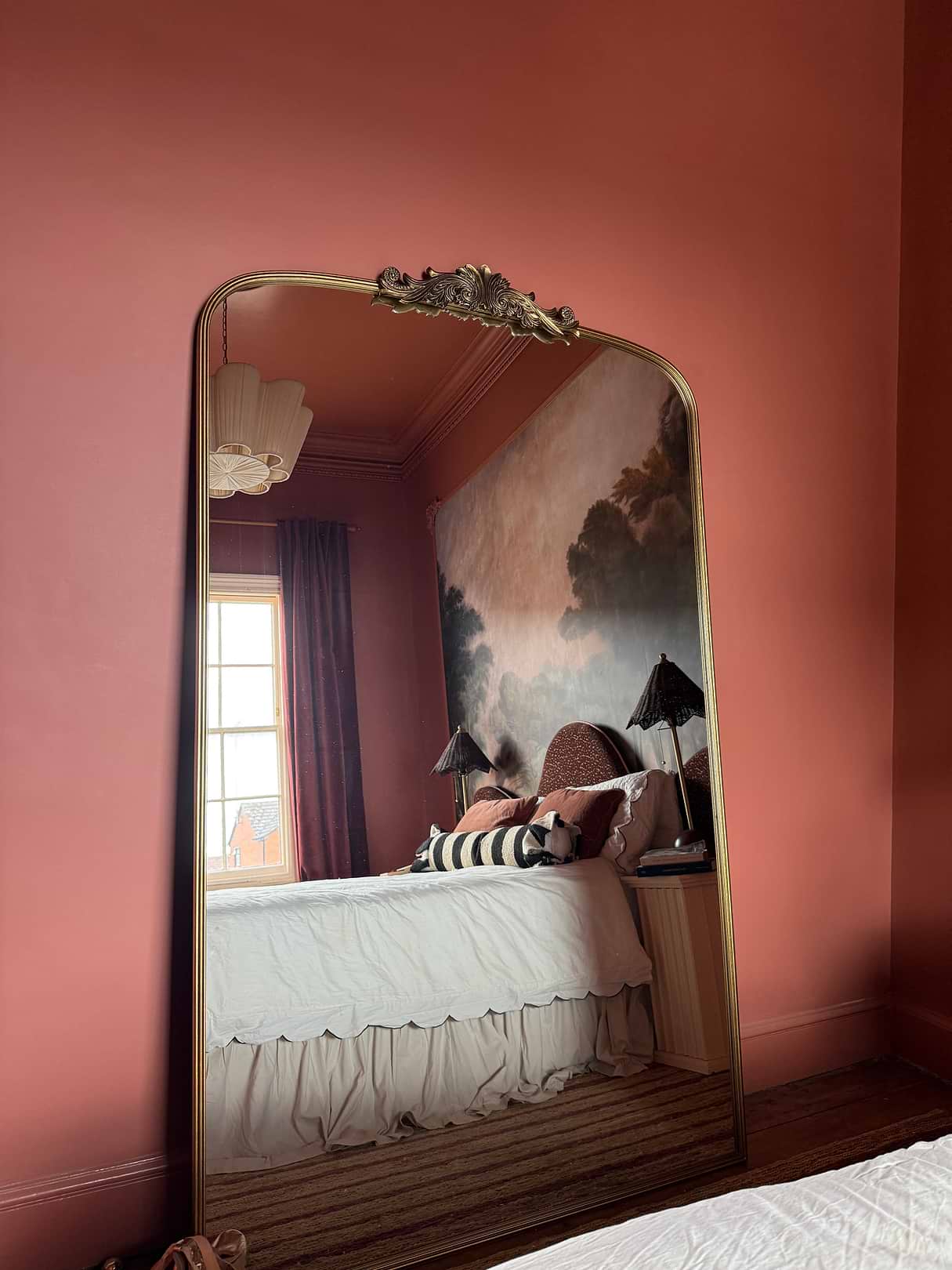
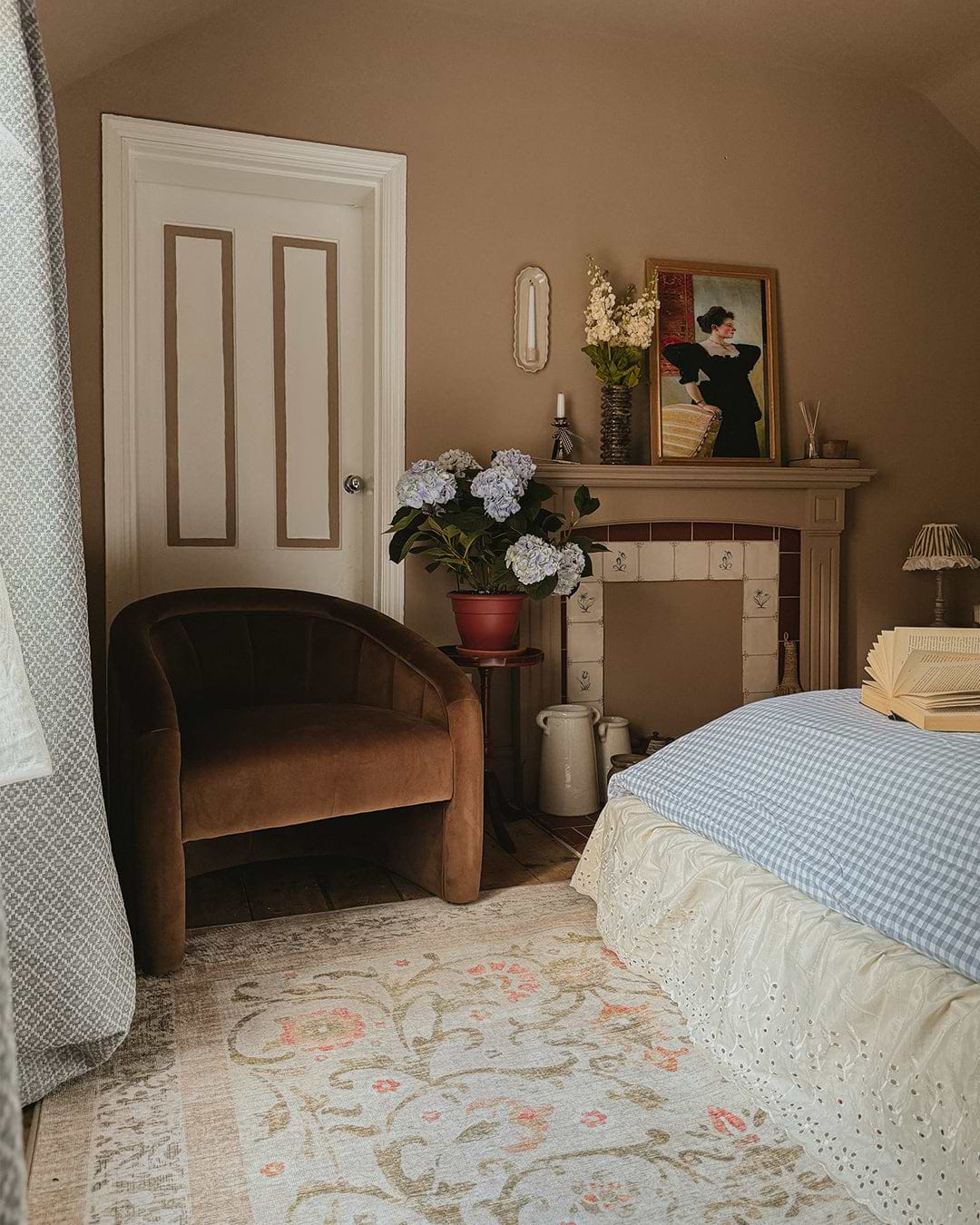
The modern approach to painting goes beyond choosing a neutral shade for the walls. Consider the concept of "colour drenching," where walls, skirting boards, door frames, and even ceilings are painted the same. This technique blurs the boundaries of the room, making small spaces feel larger and creating a cocoon-like atmosphere.
For those hesitant about bold colours, a neutral palette with varying undertones can add depth and warmth without overwhelming the room.
When redecorating a home, don't be scared of using dark colours. A deep navy or charcoal in a dining room or office can add cosiness and a touch of luxury that white walls cannot.
Remember that the finish matters as much as the colour: a matte finish absorbs light for a soft look, while eggshell or satin can reflect light and highlight architectural details.
Step 2: Lighting
Many homes rely on a single overhead light source, which casts harsh shadows and flattens the room’s features. To change the feel of a space, it's recommended to layer lighting.
Start with ambient lighting, then add task lighting for specific activities like reading. Finally, incorporate accent lighting to highlight art and plants.
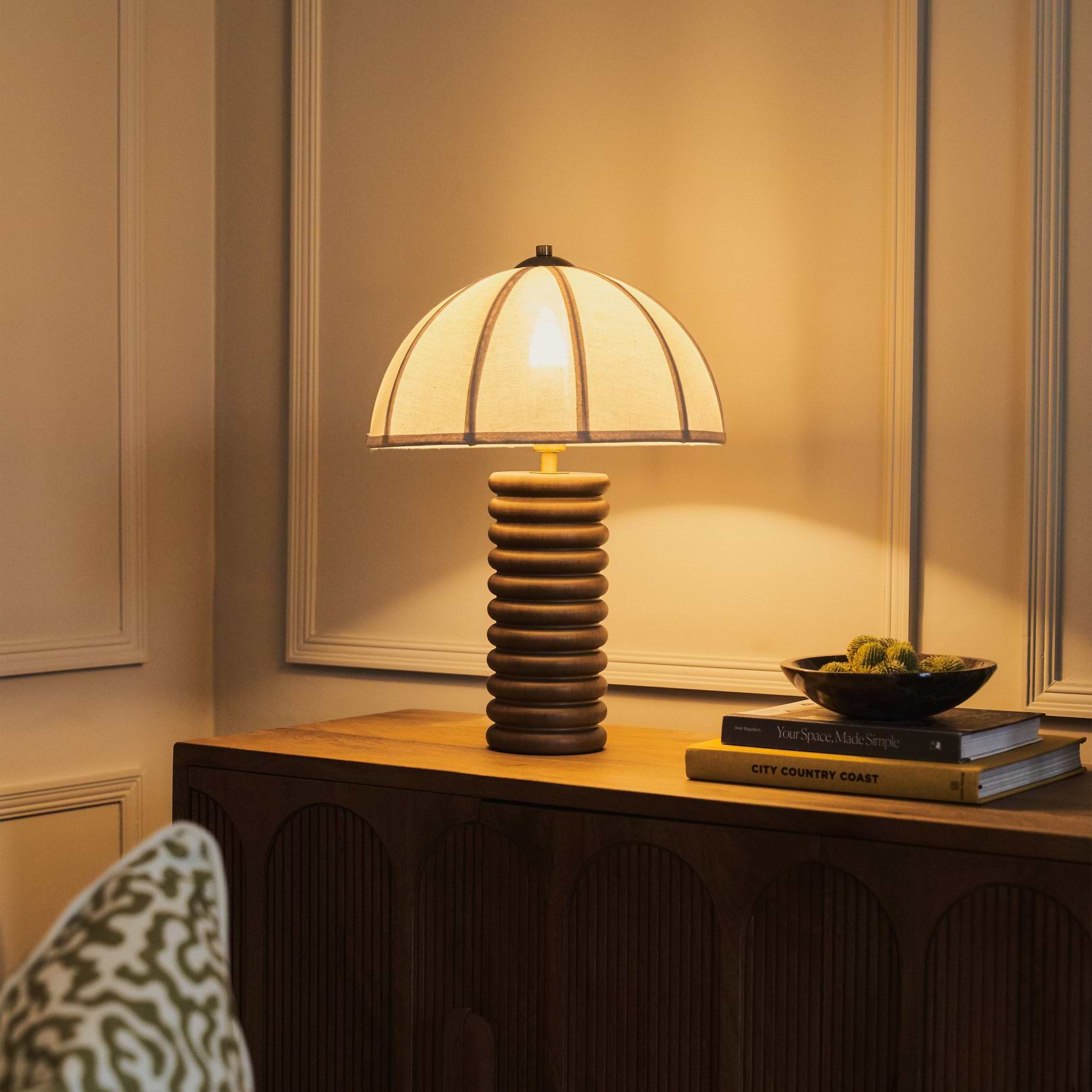
The colour of the light bulbs is also important. Warm white bulbs create a cosy and inviting atmosphere, whereas cool white light can feel more clinical and sterile.
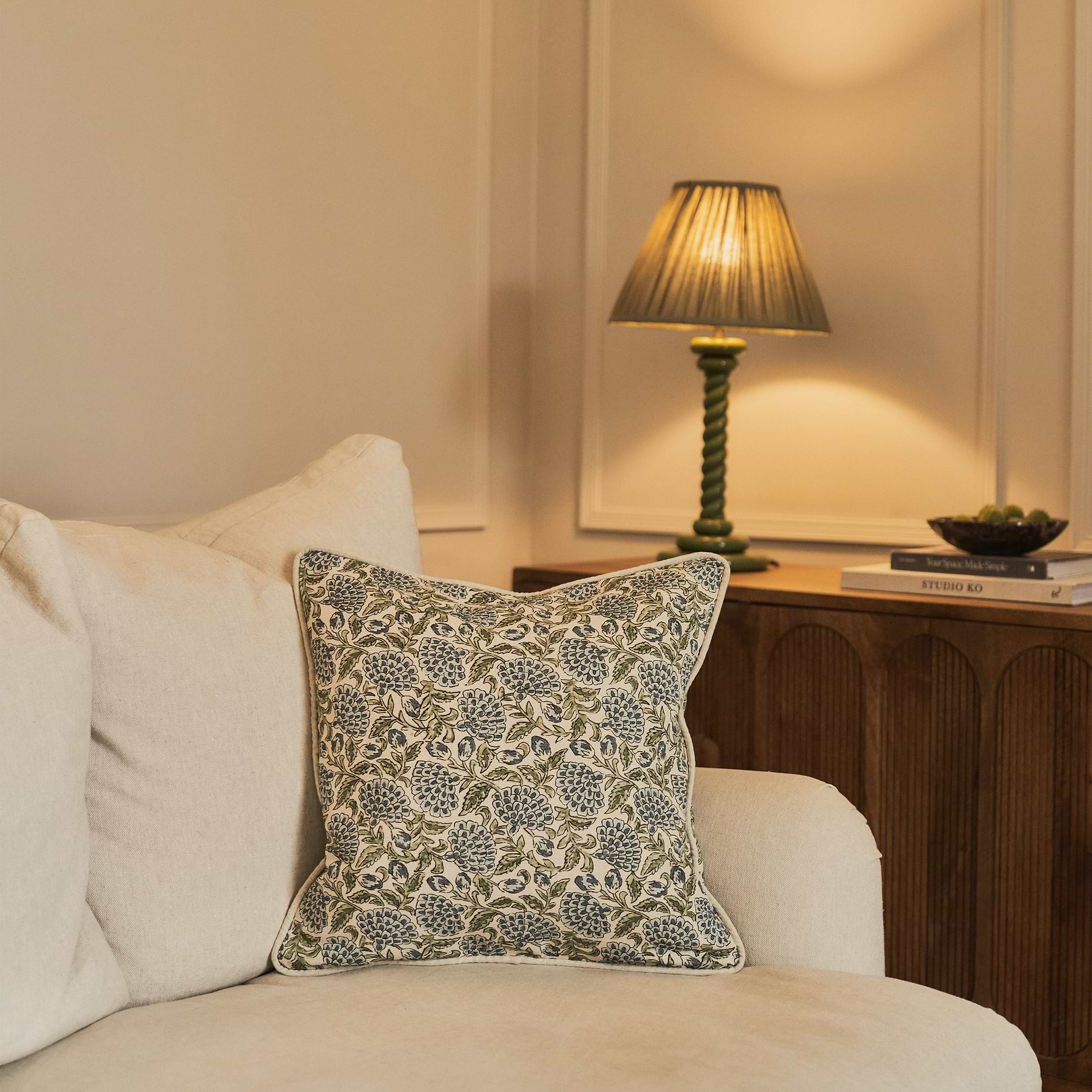
Lampshades play a significant role here as well. Changing a dated shade for something with a texture or pattern can instantly update a corner of a room.
When considering how to redecorate, walk through your home at night and identify the dark corners that need lifting. The right lighting can make a room feel more welcoming.
Step 3: Furniture arrangements
We often inherit the layout of a room from previous owners or just place furniture where it fits rather than where it functions best. Redecorating a home offers the perfect opportunity to reassess the flow of movement and the focal points of each room.
Try pulling furniture away from the walls to create closer conversation areas. In living rooms, ensure that seating is arranged to facilitate interaction rather than everyone facing the television. Consider adding an accent chair in empty spaces to bring a feeling of closeness between visitors.
If buying new furniture is not an option, consider reupholstering existing pieces. A tired armchair can be given a new lease of life with a vibrant fabric, or a wooden sideboard can be painted to match a new colour scheme.
Sometimes, the best way to redecorate is to remove items. By decluttering surfaces and removing pieces that no longer serve a purpose or bring joy, you allow the remaining items to breathe and shine.
Step 4: Accessories and decor pieces
Home accessories and soft furnishings are essential when redecorating a home. Textiles add warmth, texture, and colour. Swapping out heavy winter curtains for lighter linens in the summer, or adding a plush rug to define a seating area, can change the mood of a room instantly.
Cushions and throws are excellent ways to introduce patterns and trends without committing to them permanently. If you are unsure about a bold pattern on a sofa, try adding it with bold pillows first.
Art is another powerful element. You do not need to invest in original masterpieces to have impactful art; framed prints and photographs can look stunning when displayed well.
The key is in the framing and the arrangement. A gallery wall can tell a story about the homeowner’s interests and travels, adding a personal touch that mass-produced decor can't replicate.
When learning how to redecorate, remember that accessories should be curated over time. It is better to have a few meaningful pieces than a room full of filler items.
Step 5: Adding mirrors
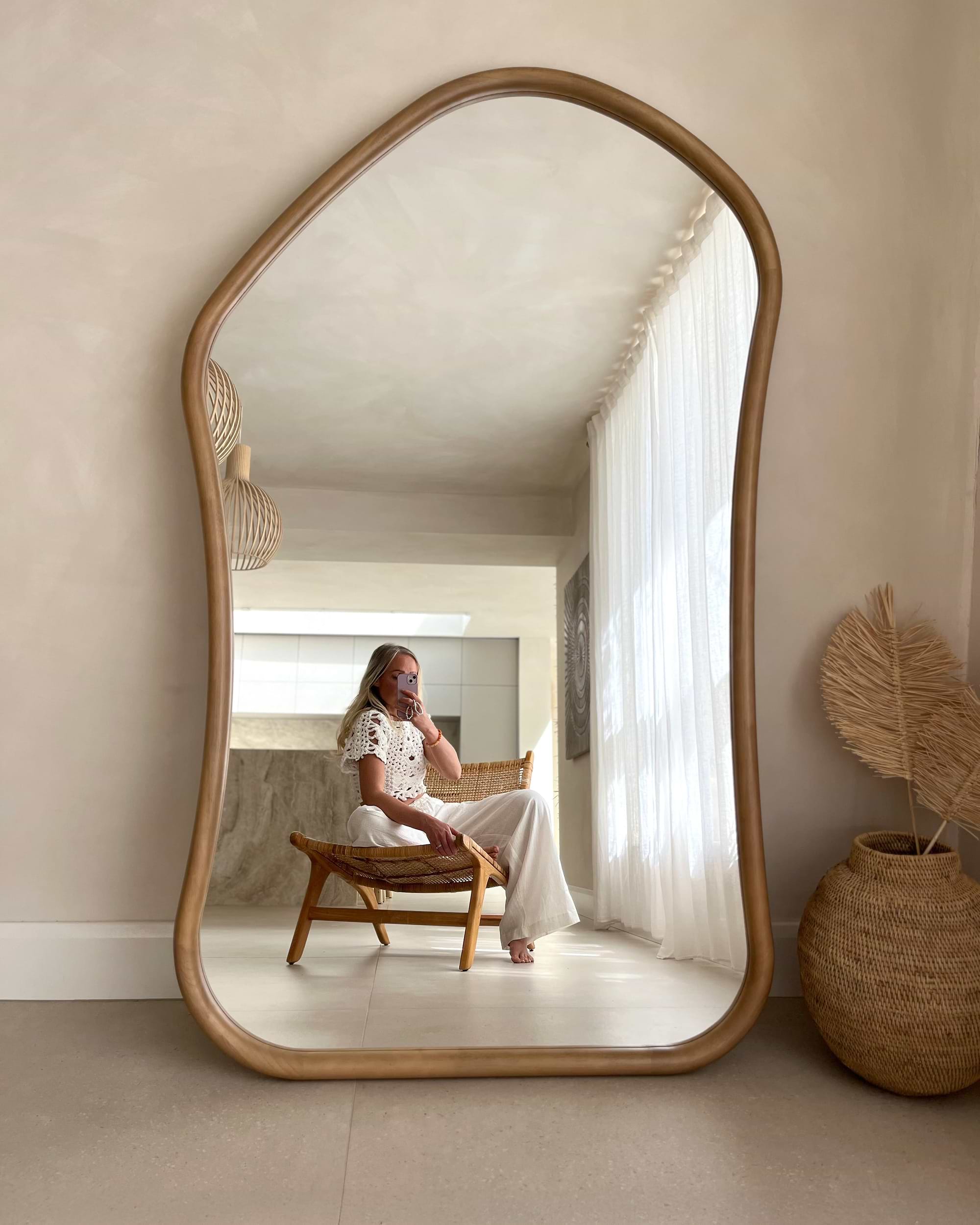
Mirrors possess the ability to manipulate light and space, making them very useful for anyone looking to refresh a room without needing to make structural changes.
A well-placed mirror can double the feeling of natural light in a room by reflecting a window, making the space feel brighter and more open. In narrow hallways or small bedrooms, a large mirror can create the illusion of depth, effectively doubling the perceived size of the room.
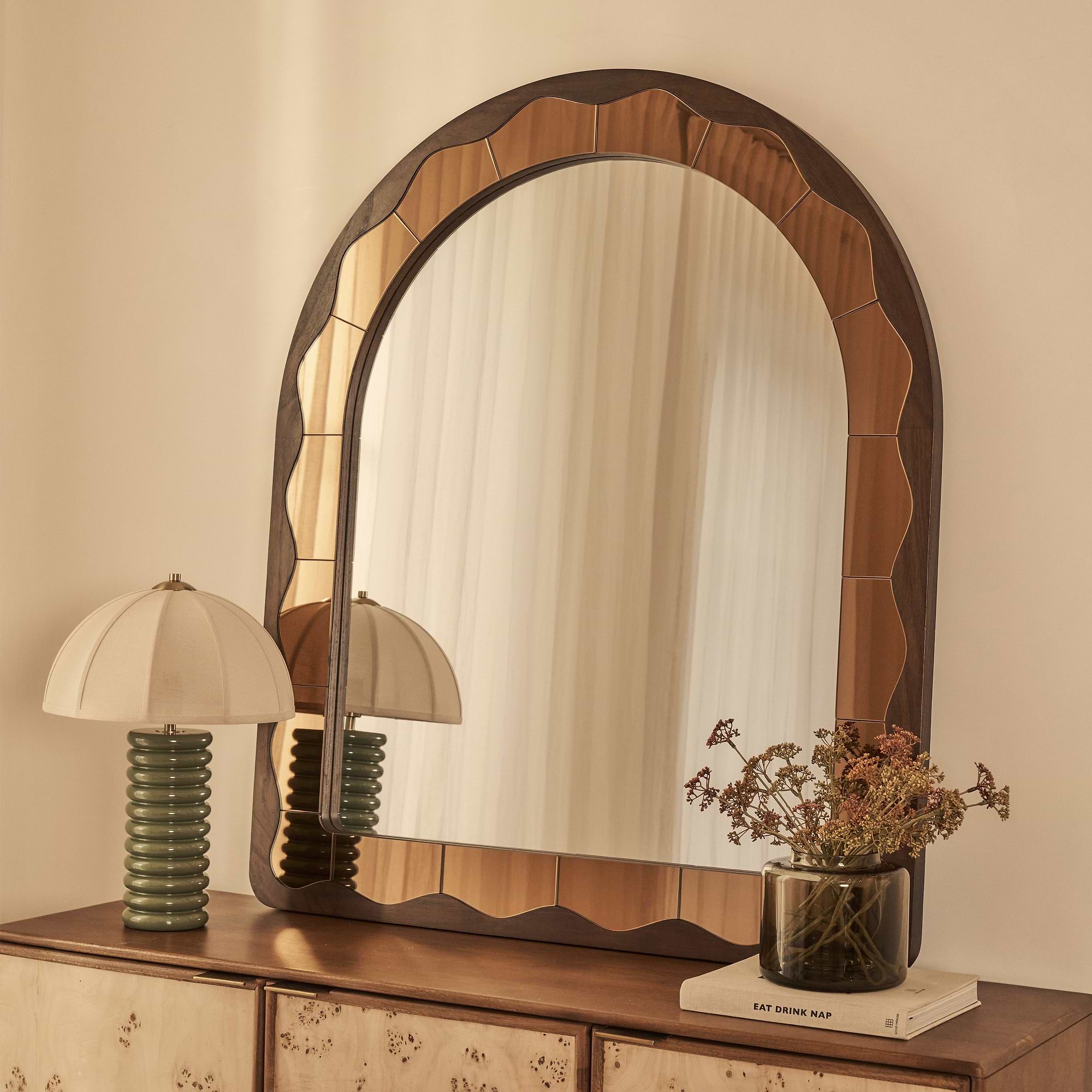
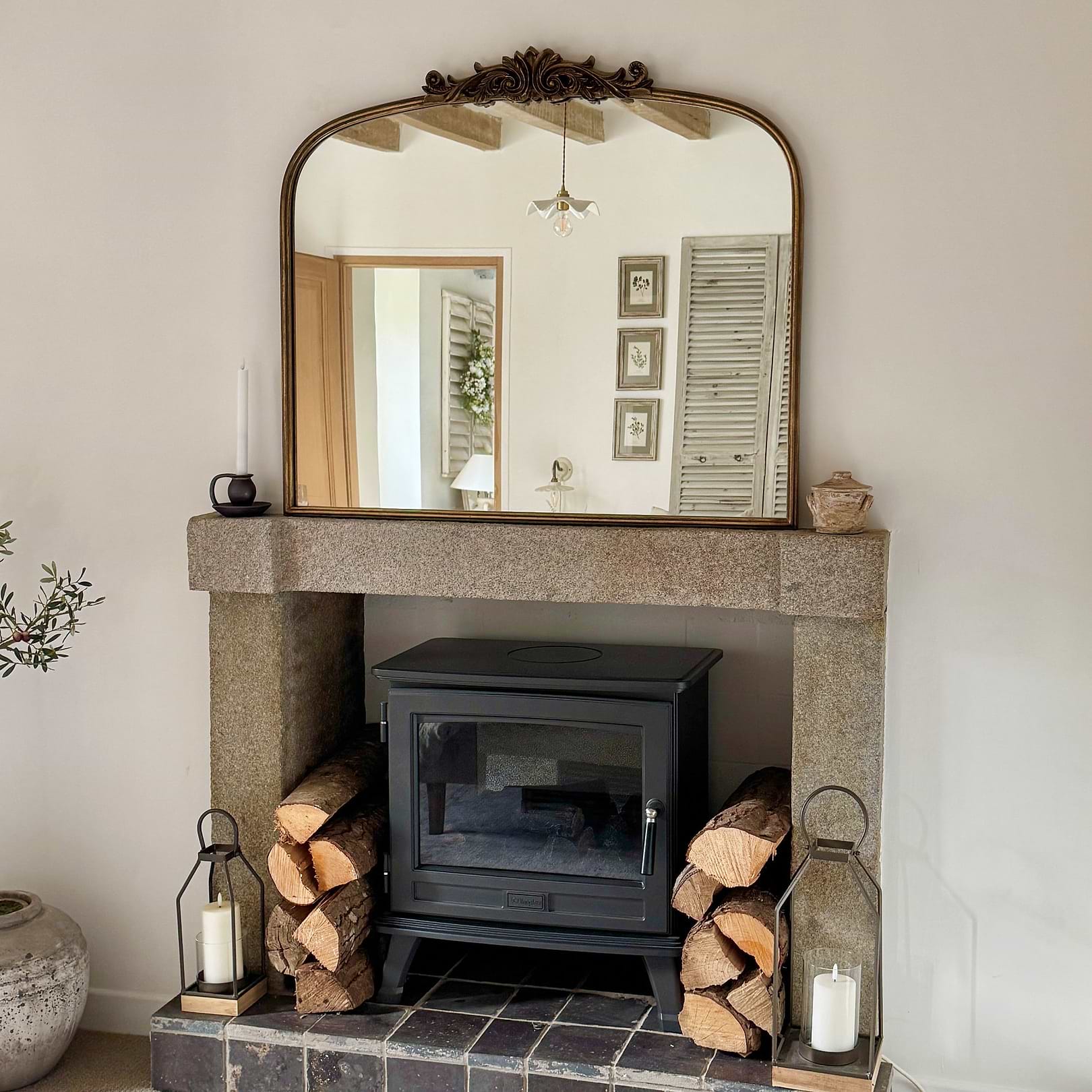
Beyond their functional benefits, mirrors are also statement pieces. An ornate, vintage frame can add character, while a frameless design can solidify a more modern aesthetic.
Investing in a high-quality mirror can have a big impact on a room. Whether it's an overmantel mirror in the living room or a collection of small mirrors in a hallway, these reflective surfaces add light and texture that paint and furniture alone cannot achieve.
Why choose to redecorate over renovate
The idea that you need to renovate to achieve a beautiful home is a misconception that limits creativity and drains budgets. By understanding how to redecorate strategically, you can transform your living space into a reflection of your personality and style.
Through the thoughtful application of paint, the layering of light, rearrangement of furniture, curated accessories, and the strategic use of mirrors, you can achieve a look that feels entirely new.
Redecorating your home allows you to see your existing space with fresh eyes. It is a sustainable choice, a cost-effective solution and a creative outlet.
Before you pick up a sledgehammer, you may find that the home you have always wanted was already there, waiting to be redecorated.