Skip to content



When space is limited, thoughtful interior design can make all the difference. Mirrors are one of the most effective ways to open up a room, enhancing light, creating depth and transforming how a space feels without changing its footprint.
How do I place mirrors in my room?
Whether you’re styling a compact apartment, a cosy bedroom or a smaller living space, the right placement can completely elevate your interior.
Maximise Light and Reflection
One of the simplest ways to make a small room feel bigger is to increase the amount of light within it. Reflective surfaces enhance both natural light and artificial light by reflecting it around the room, instantly creating a brighter, more open feel.
Positioning a mirror opposite a window allows natural light to bounce across the space, while placing one near a light fixture can amplify softer, layered lighting in the evening. This reflection adds dimension and prevents the room feeling enclosed.
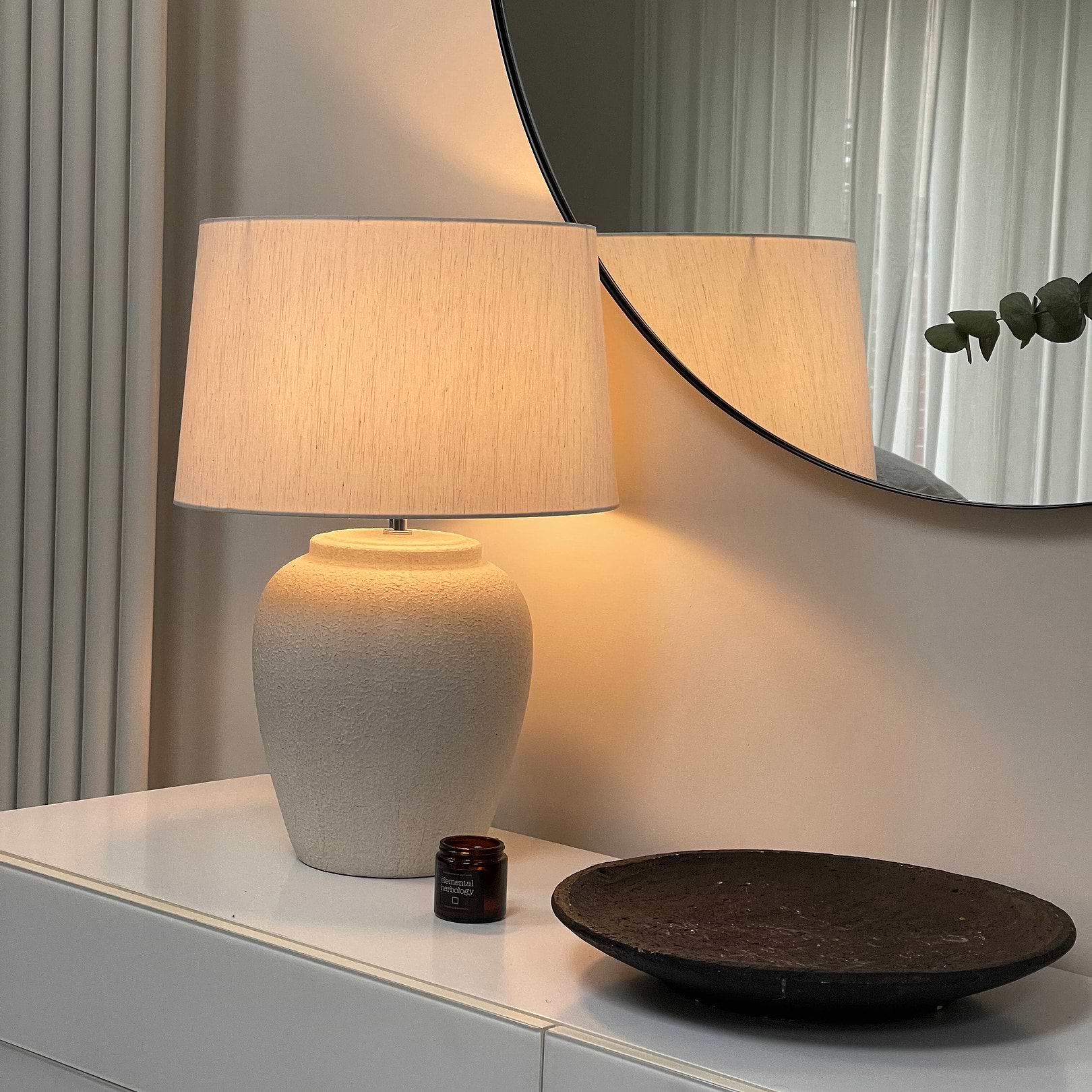
In compact living spaces or small apartments, placing mirrors along narrower walls or in alcoves helps open up tighter areas, making them feel less confined and more breathable.
Choose Statement Floor Mirrors
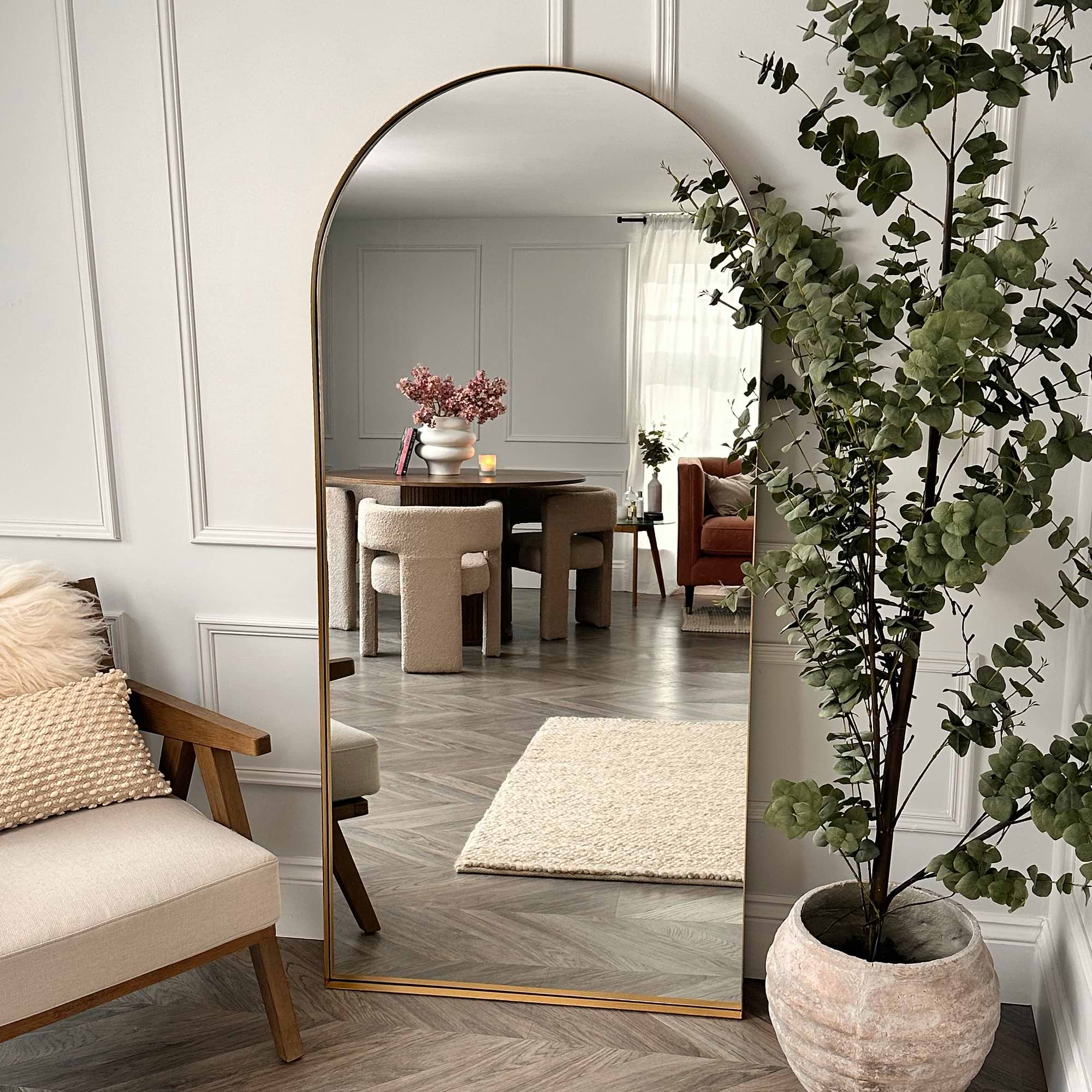
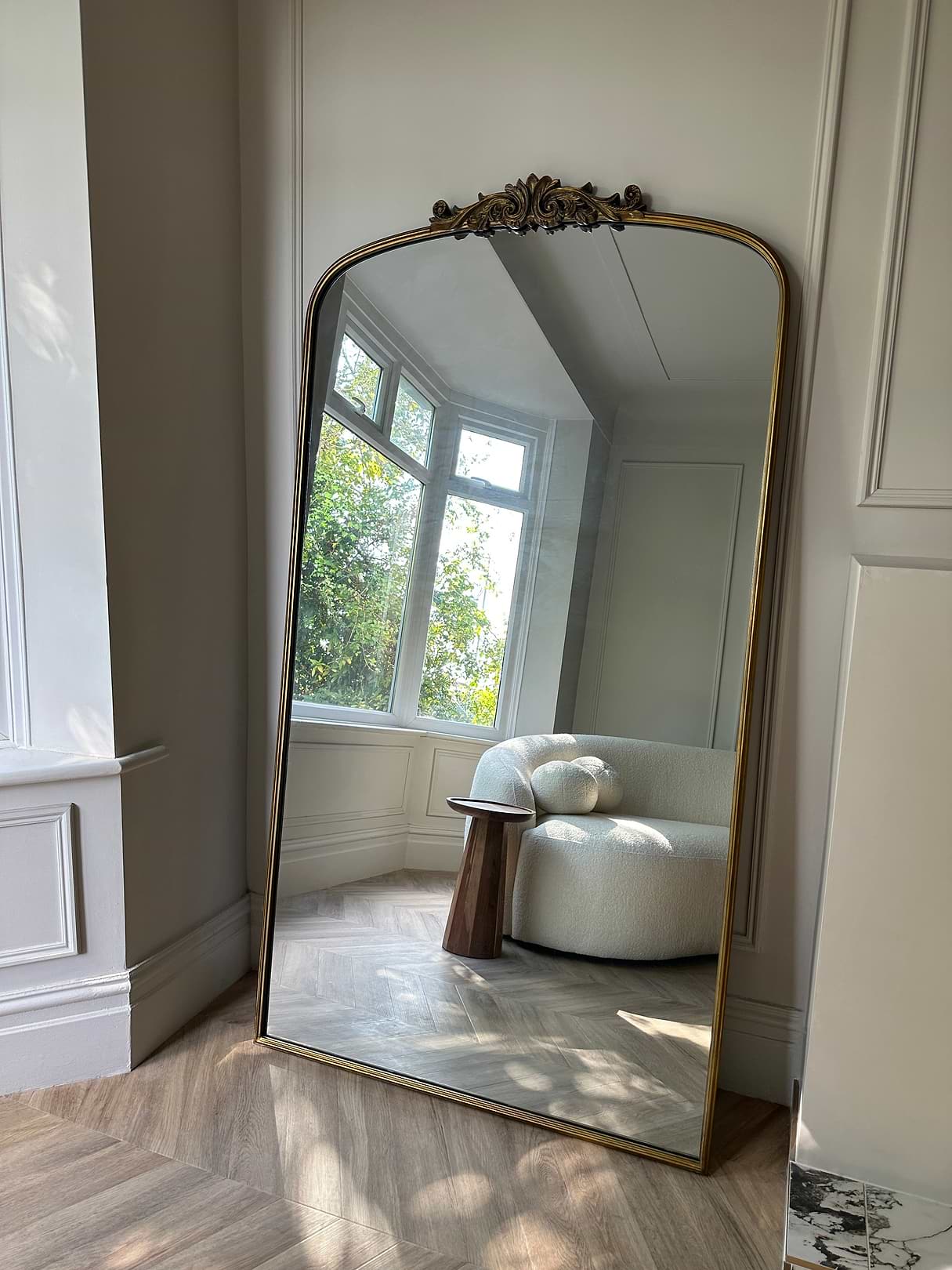
A full-length mirror is a powerful addition to small spaces. Larger products create the illusion of extended ceilings and added depth, helping the room feel more expansive.
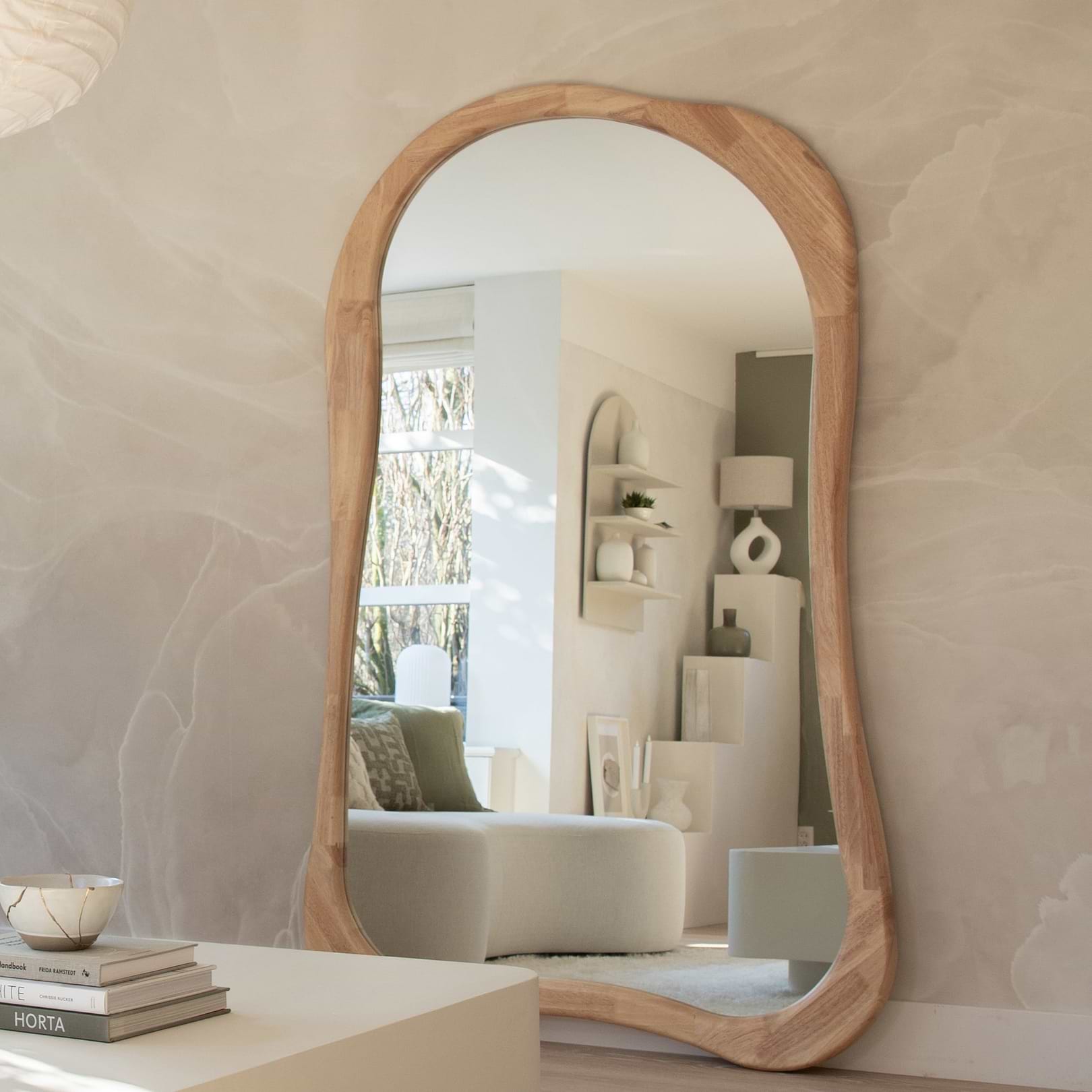
Leaning floor mirrors are particularly effective in a bedroom or living room, as they introduce height without overwhelming the layout. They also double as a functional piece of furniture while enhancing the overall aesthetic of the space.
Create a Focal Point
In smaller interiors, every design choice should feel intentional. A well-placed mirror can act as a focal point, drawing the eye and giving the room a clear sense of structure.
Opt for a statement design above a side table, fireplace, or sofa to anchor the space. This approach adds visual interest and also prevents the room from feeling cluttered or disjointed. You can also use them to highlight key features within the room, such as a statement piece of furniture, texture fabrics or carefully styled décor.
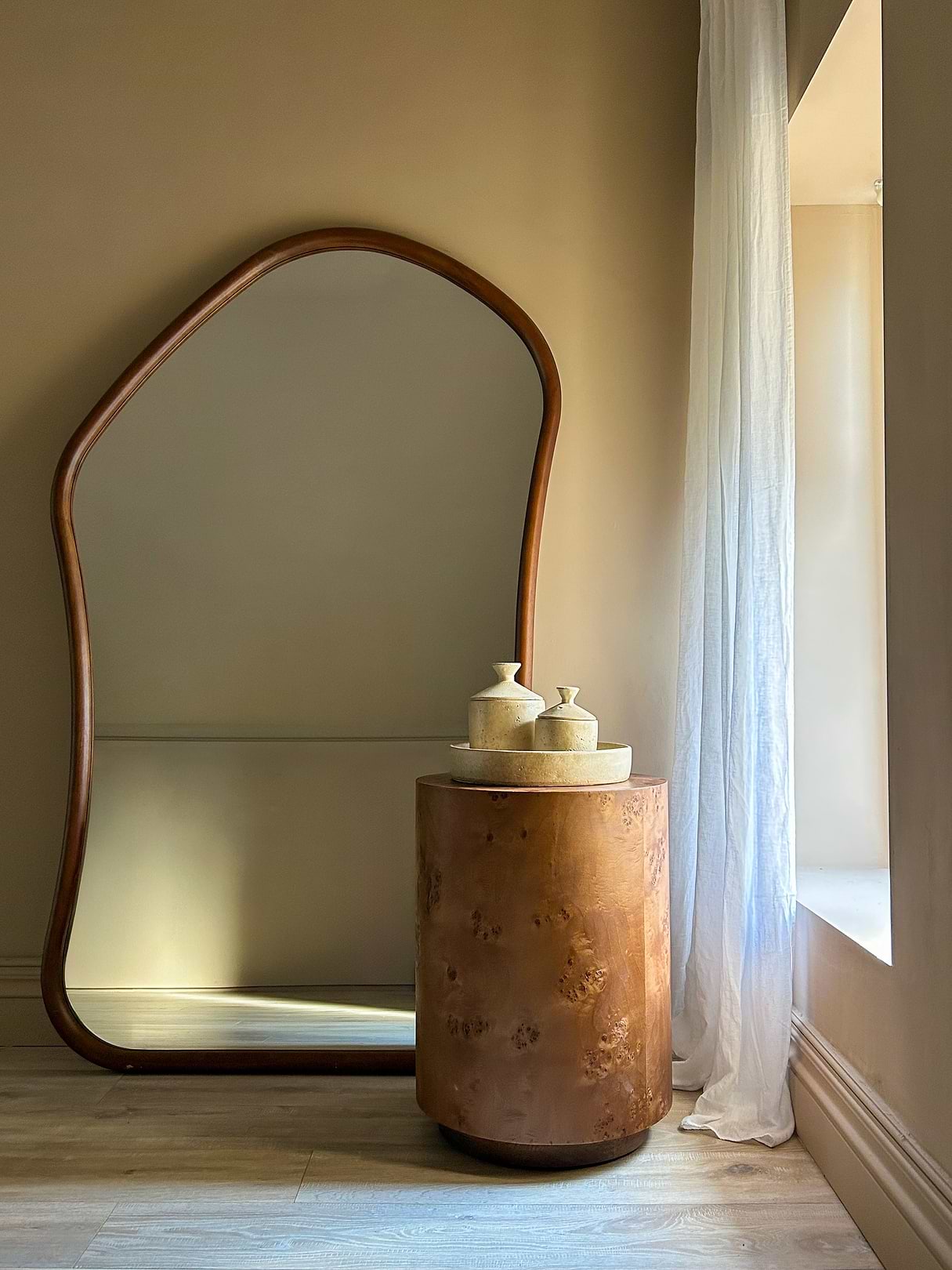
This helps to reinforce your design style while adding layers of visual interest without introducing additional clutter.
Pair with Light Colour Schemes
To maximise the effect of mirrors, pair them with a neutral colour palette and light paint colours. Soft tones reflect more light, while darker shades can absorb it, making rooms feel smaller.
Combining mirrors with light-coloured textiles, rugs and minimalist furniture ensures that spaces feel cohesive, airy and uncluttered.
Avoid Overcrowding
While mirrors are a powerful design tool, balance is key. Too many reflective surfaces can feel overwhelming and disrupt the calm, open feel you’re trying to achieve.
Instead, focus on a few well-placed pieces that complement your furniture and overall layout. This ensures your living space remains refined and thoughtfully curated.
Elevate Every Room
No matter the room, mirrors can transform any area of the home. In a bedroom, a full-length mirror adds both function and elegance, while in a living room, a statement piece can enhance light and create a more inviting atmosphere.
Openness In Design
Designing for small spaces is all about creating the illusion of openness. With the right products you can maximise the feeling of light, add depth and bring a sense of balance to your interiors.
Layer your space
While mirrors play a key role in opening up a room, combining them with carefully chosen furniture and lighting will enhance the overall effect even further.
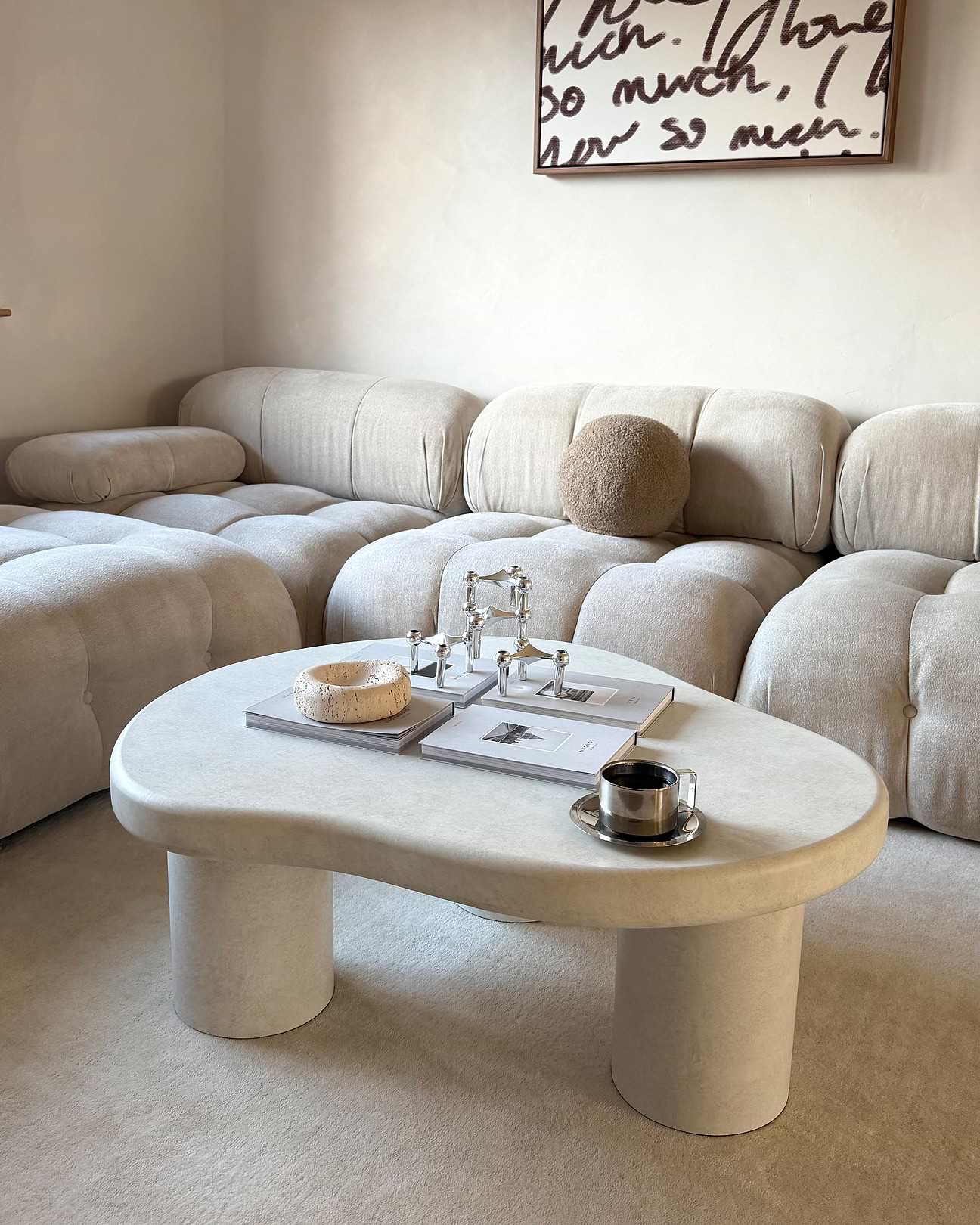
Lightly coloured coffee tables can help maintain a sense of openness, preventing the room from feeling crowded or heavy. Keeping sight-lines clear with accent pieces that are closer to the ground allows light to travel more freely throughout the space, reinforcing that airy feel.
Similarly, well-placed lighting can completely transform how a room is perceived. Table and floor lamps create soft, ambient layers of light that add warmth and depth, particularly in the evening when natural light is limited. Positioning lighting near reflective surfaces can also subtly amplify brightness without overwhelming the space.
By balancing mirrors with complementary furniture and lighting, you can create a cohesive, well-designed interior that feels both stylish and spacious, no matter the size of your room.