Skip to content



When chosen with intention, a mirror can change a room entirely. It can amplify light, create the illusion of space, act as a focal point, and influence the feel of an environment.
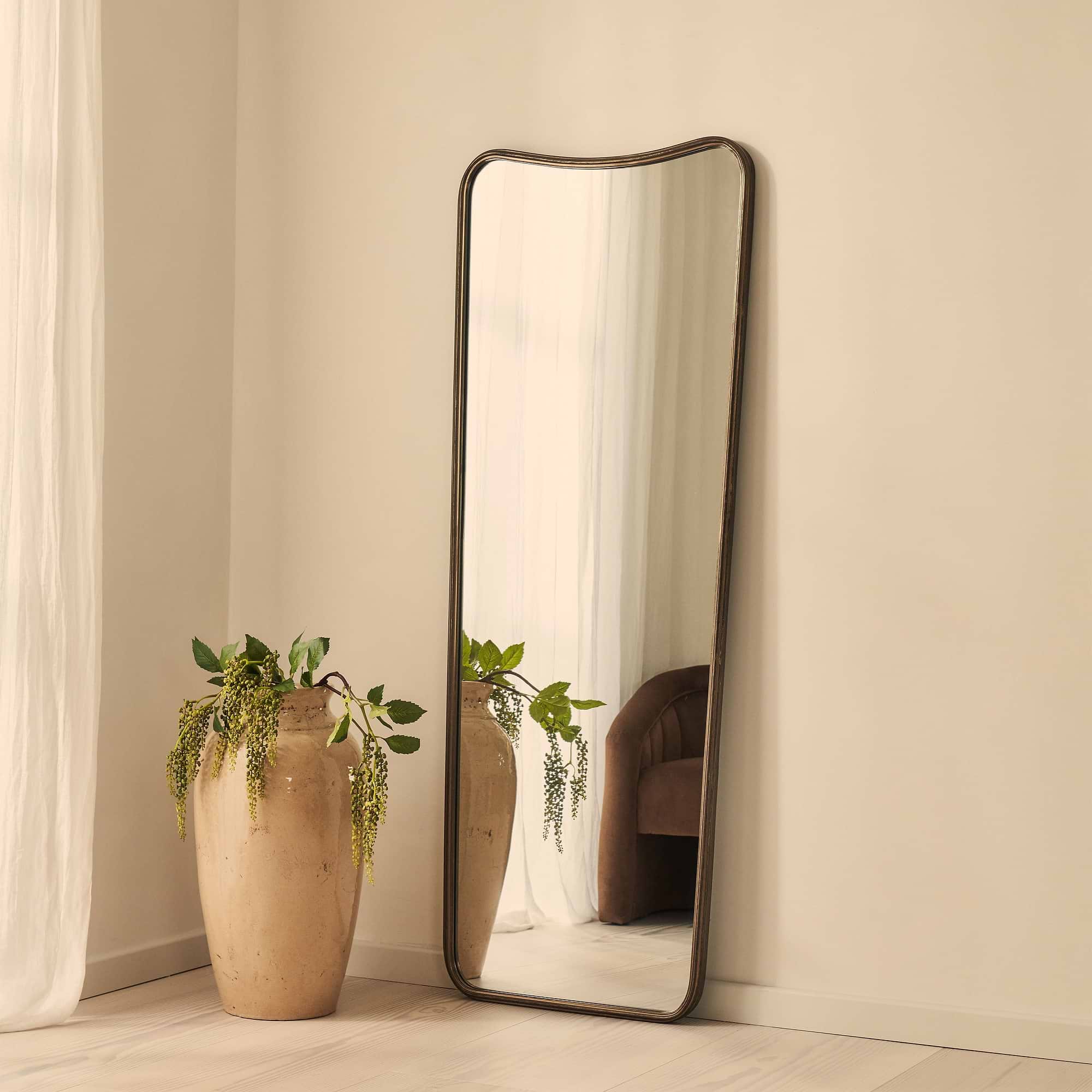
In the UK, where natural light can be scarce during the darker months, the strategic placement and selection of mirrors is essential. It's key to understand that the shape of a mirror is just as critical as its size, frame or placement. The geometry of your mirror dictates how it blends with the architecture of your room and the furniture within it.
Understanding the Psychology of Shape
It is essential to understand the psychological impact that different shapes have on our perception of space.
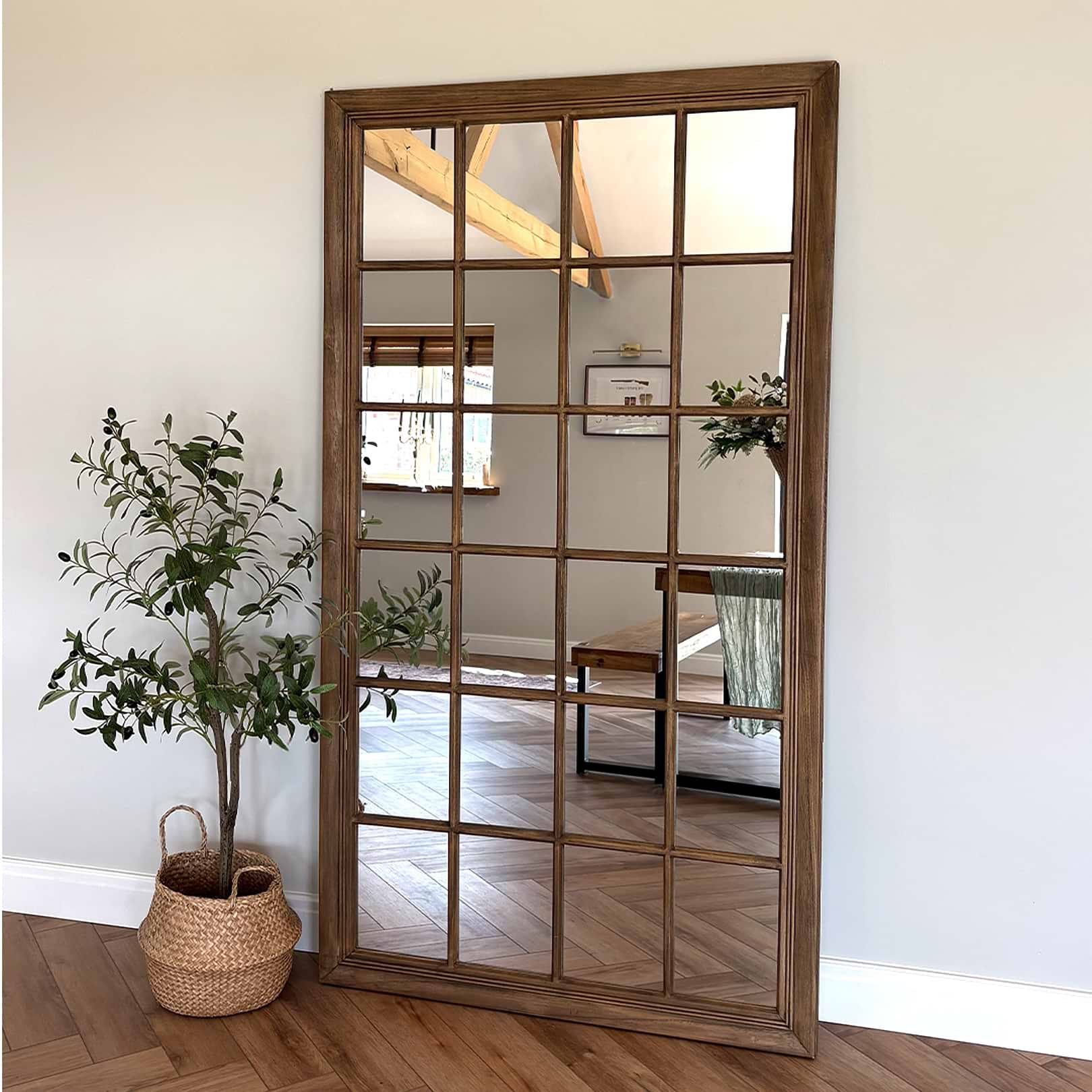
Square and rectangular mirrors are the most traditional style. Because most architectural elements, such as windows, doors and walls, are rectangular, these mirrors blend easily into a room. A rectangular mirror follows the existing lines of a space to create a cohesive look.
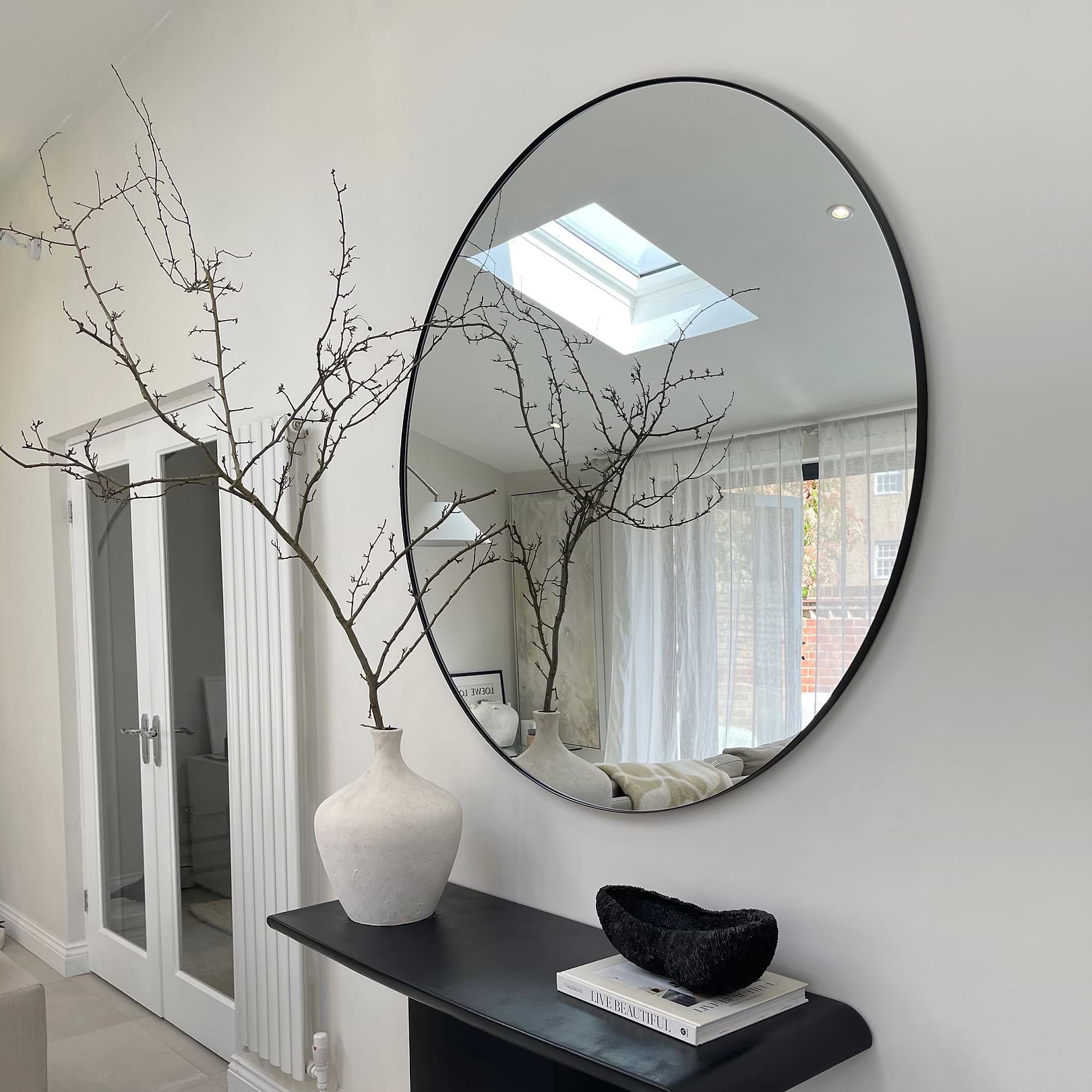
Oval and round mirrors provide a contrast. Their curved shapes break up rigid lines, adding more movement. Round mirrors are excellent for softening a room that feels too angular. An oval mirror brings classic elegance and elongation without the sharpness of a rectangle.
Arched mirrors add grandeur and height, mimicking the architecture of cathedrals and old doorways. Acting as dynamic focal points, they add vibrancy to a space.
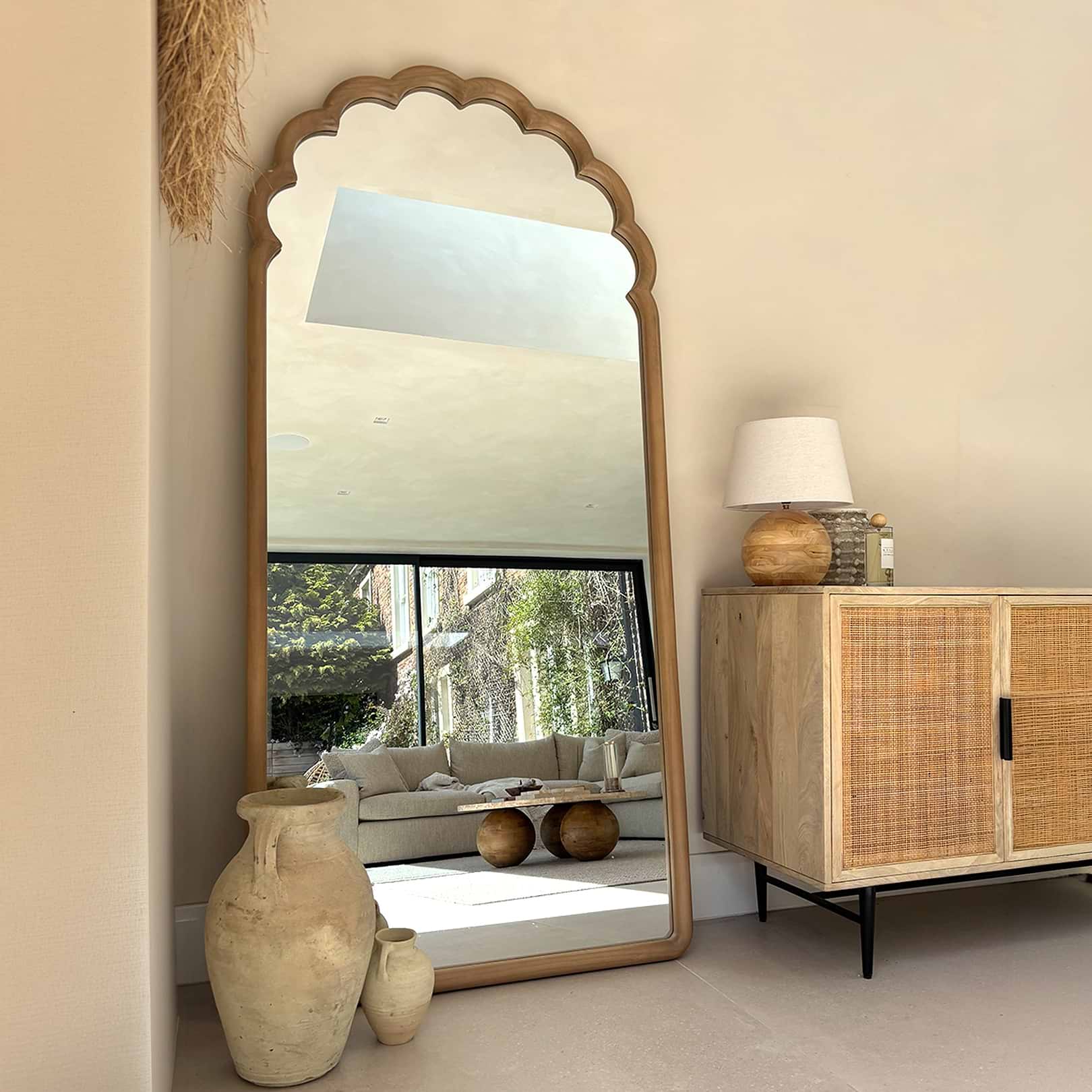
Different Shapes for Each Room
The right mirror shape can change from room to room, and home to home. There are several different factors that you might want to consider depending on your space.
Set the Right First Impression in the Hallway
The hallway is the first space that guests experience. In many British homes, hallways can be narrow and dark.
For these spaces, a tall rectangular mirror is often the most practical choice. When placed opposite a light source or at the end of a corridor, it doubles the visual depth of the hallway, making it feel less tunnel-like.
If your hallway is wider but lacks character, consider a round mirror above a console table. A round mirror with a distinctive frame can be an artistic centrepiece. If you have a high ceiling, an arch mirror can fill the vertical space well.
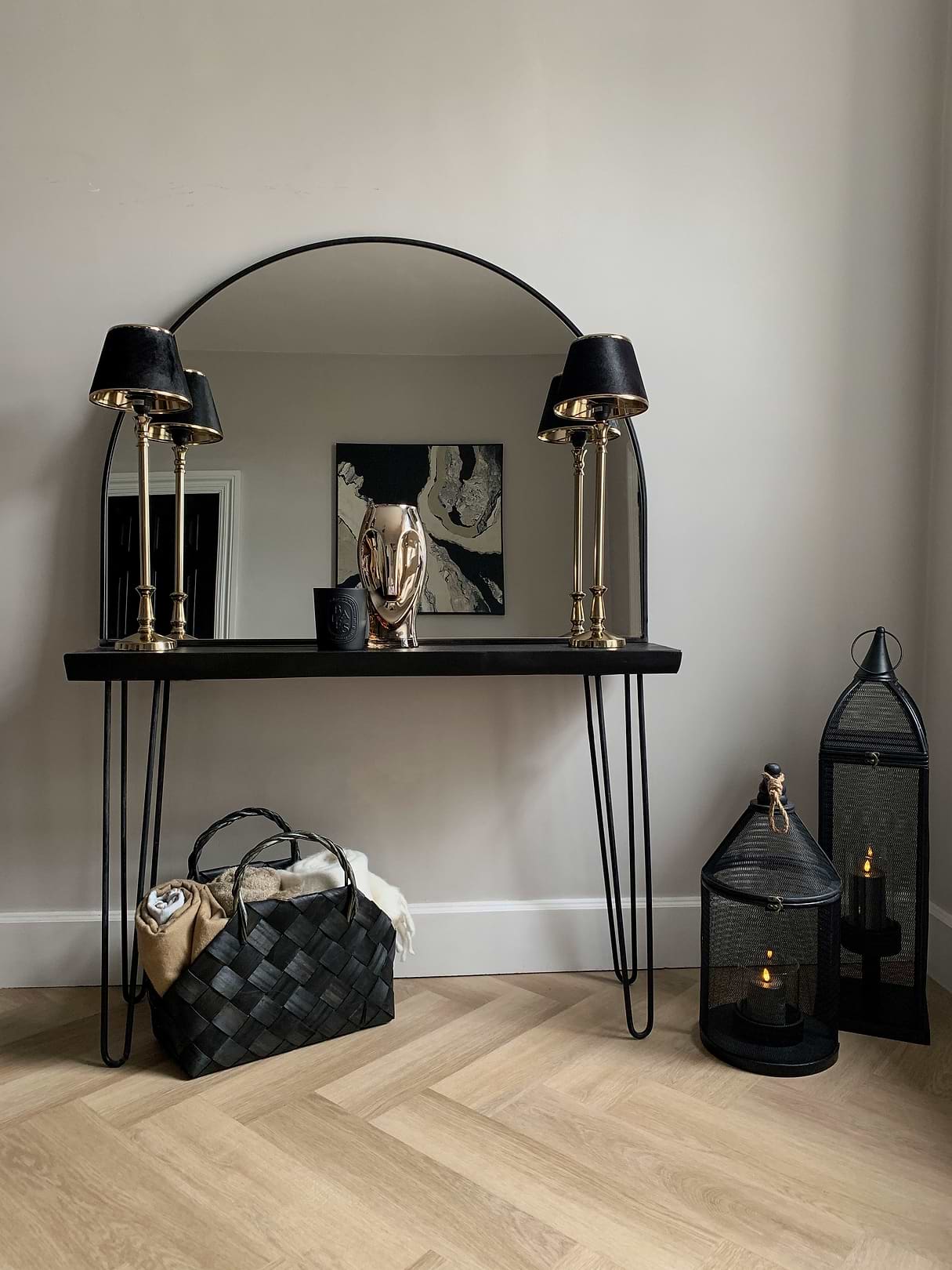
Balance Comfort and Style in the Living Room
The living room is where people often spend the majority of their time at home, so comfort and aesthetics are important. The mirror shape here should complement your room’s flow and overall style.
Above a sofa or fireplace, a rectangular landscape wall mirror is a great choice. When mirroring the width of the furniture below, the equal proportions can create a feel of cohesion. This is particularly effective in rooms with low ceilings as the mirror reflects the surrounding area, preventing the space from feeling vertically cramped.
If your living room features a lot of straight lines from a sectional sofa, a coffee table, or shelving units, introducing a large round or oval mirror can soften the aesthetic. It prevents the room from feeling too rigid or corporate.
For more bohemian interiors, irregular shaped mirrors work well, adding more visual interest.
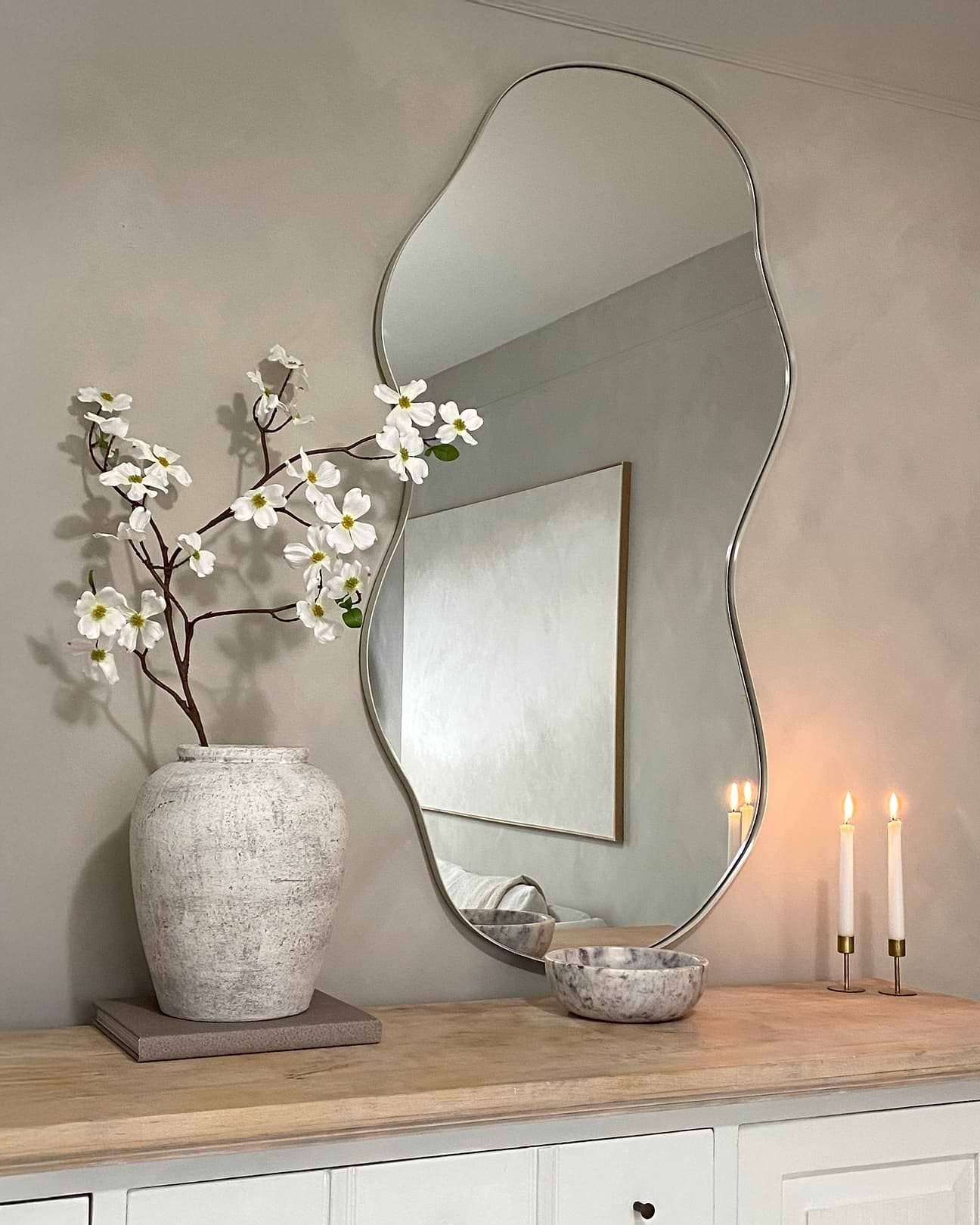
Add Ambience and Light in the Dining Room
Dining rooms are social hubs, used for evening gatherings where lighting is key to setting the mood. Mirrors in the dining room serve a dual purpose: they reflect light to enhance ambience, and they make the room feel larger.
A large mirror spanning the width of a sideboard is a traditional and effective choice. It reflects the table setting and the guests, adding to the sense of occasion. For a less formal feel, consider an oval mirror. The curves of an oval echo the shape of many dining tables and can add more flow to the space.
In contemporary dining spaces, arched overmantel mirrors are increasingly popular. Placed on a feature wall for added height. The arch shape draws the eye up, making the room feel bigger.
If your dining room is small, a round wall mirror placed opposite a window will maximise the reflection of natural light during the day. It can also reflect the artificial light in the evening, making the space feel more airy and open.
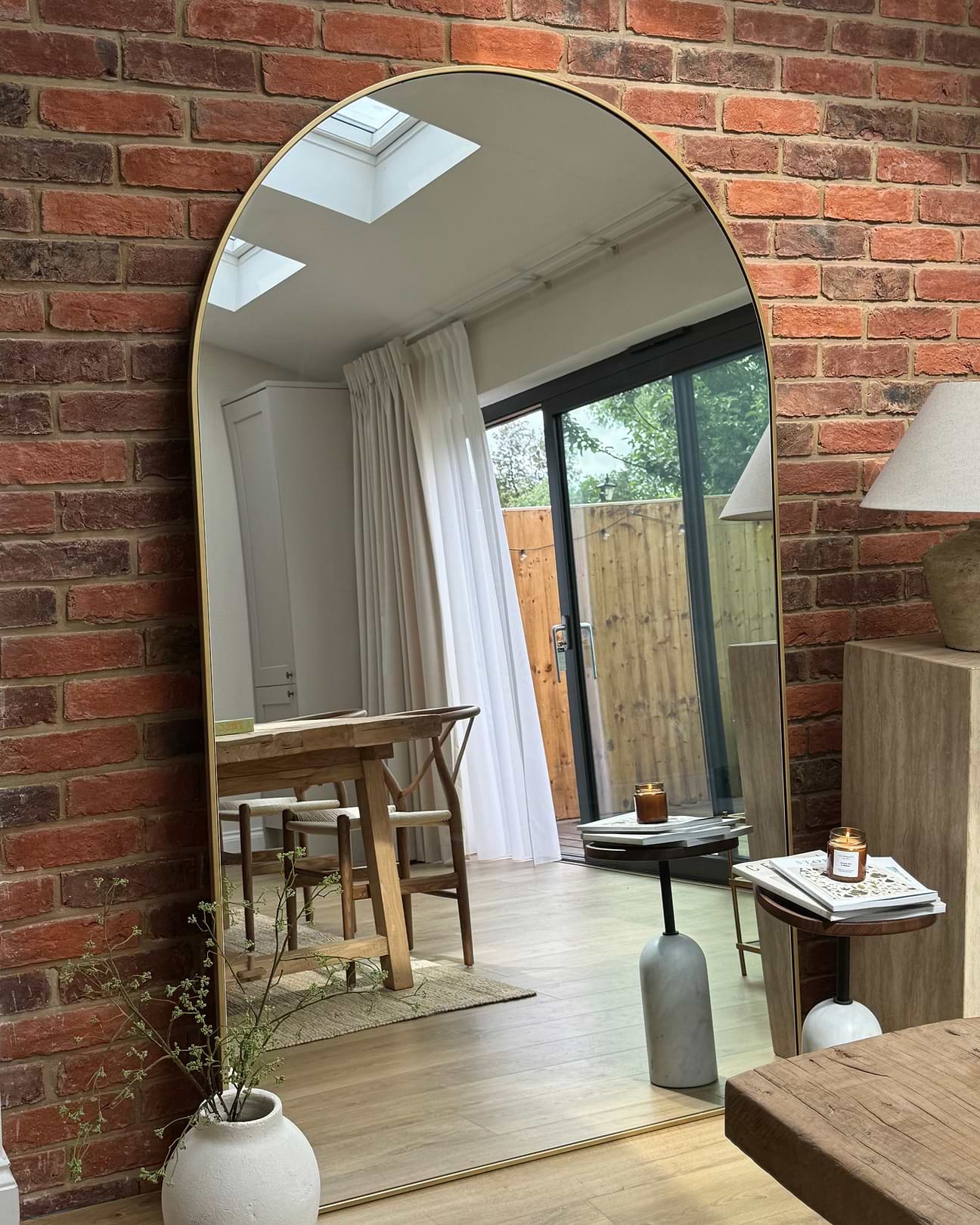
Create a Sanctuary in the Bedroom
The bedroom is a place to rest. While functionality is important, the mirror’s shape should contribute to a calming atmosphere.
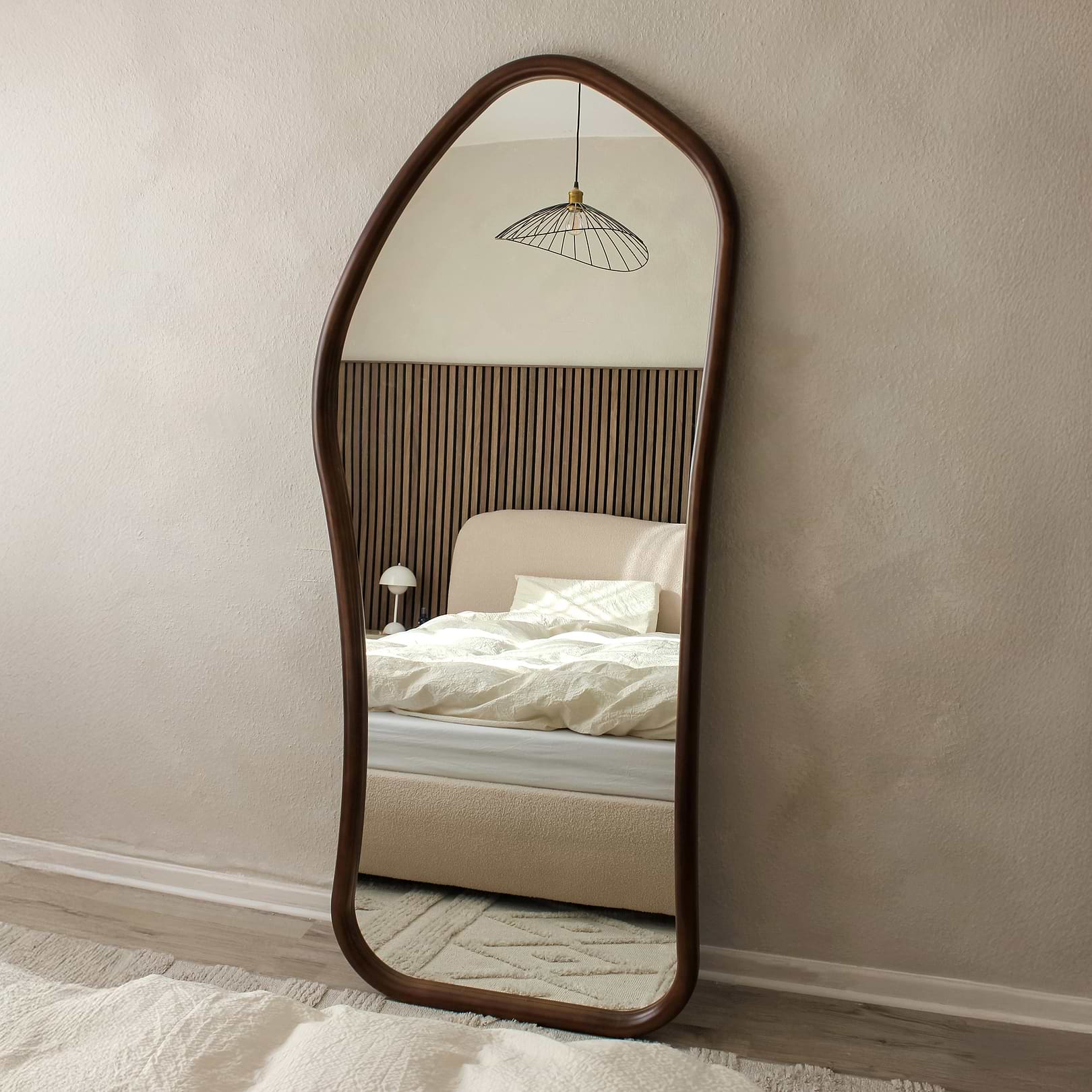
Above a dresser or chest of drawers, a rectangular mirror is standard, but the proportions matter. A wide, low rectangle complements a long dresser, while a taller rectangle suits a narrow chest. However, to soften the bedroom’s vibe, a shaped mirror is an ideal choice as its curves are less aggressive than sharp corners.
Avoid placing mirrors directly opposite the bed if you are opposed to reflections while sleeping. Instead, place a round mirror on a side wall for a gentle decorative element.
Combine Function and Aesthetics in the Bathroom
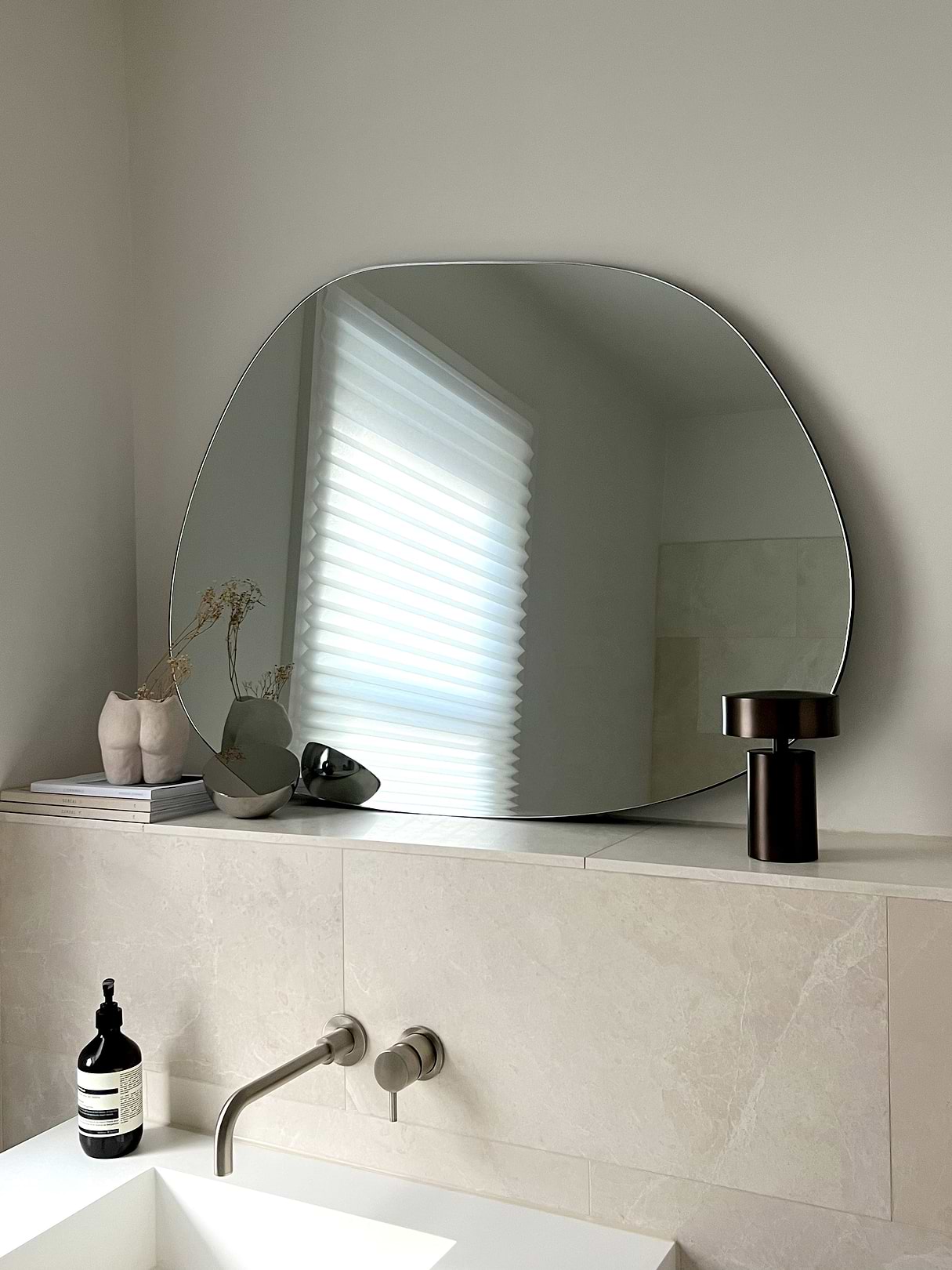
In the bathroom, functionality is important, but that doesn’t mean style should be sacrificed. The shape of the bathroom mirror may depend on the vanity unit and the available wall space.
For a single sink vanity, a round or oval mirror centred above the basin creates a balanced, symmetrical look. These shapes are particularly effective in smaller bathrooms as a round mirror softens the hard edges of tiles.
For double vanities, a long rectangular mirror stretching across both sinks is practical. It provides sufficient reflection space for two people and creates a continuous horizontal line that widens the room. Alternatively, two matching round or arched mirrors above each sink can add a hotel luxury feel.
Add Focus in the Home Office
With more people working from home, the home office has become an important space. The mirror here should aid focus and light without being distracting.
A rectangular mirror placed to reflect a window is ideal for maximising natural light. As natural light can boost mood and productivity, it's ideal to maximise it in a working space. Furthermore, the sharp lines of a rectangle align well with surrounding desks and shelving. Keeping order and efficiency in the office space.
However, if your office feels too sterile or corporate, a full length mirror can be used introduce some softness. It breaks the monotony of screens and straight edges. Avoid overly ornate shapes in a workspace, the goal is to enhance the feel of light and space, not to draw attention away from your work.
The Final Touch with Framing and Finish
While shape should form the foundation of your choice, the frame and finish complete the look.
-
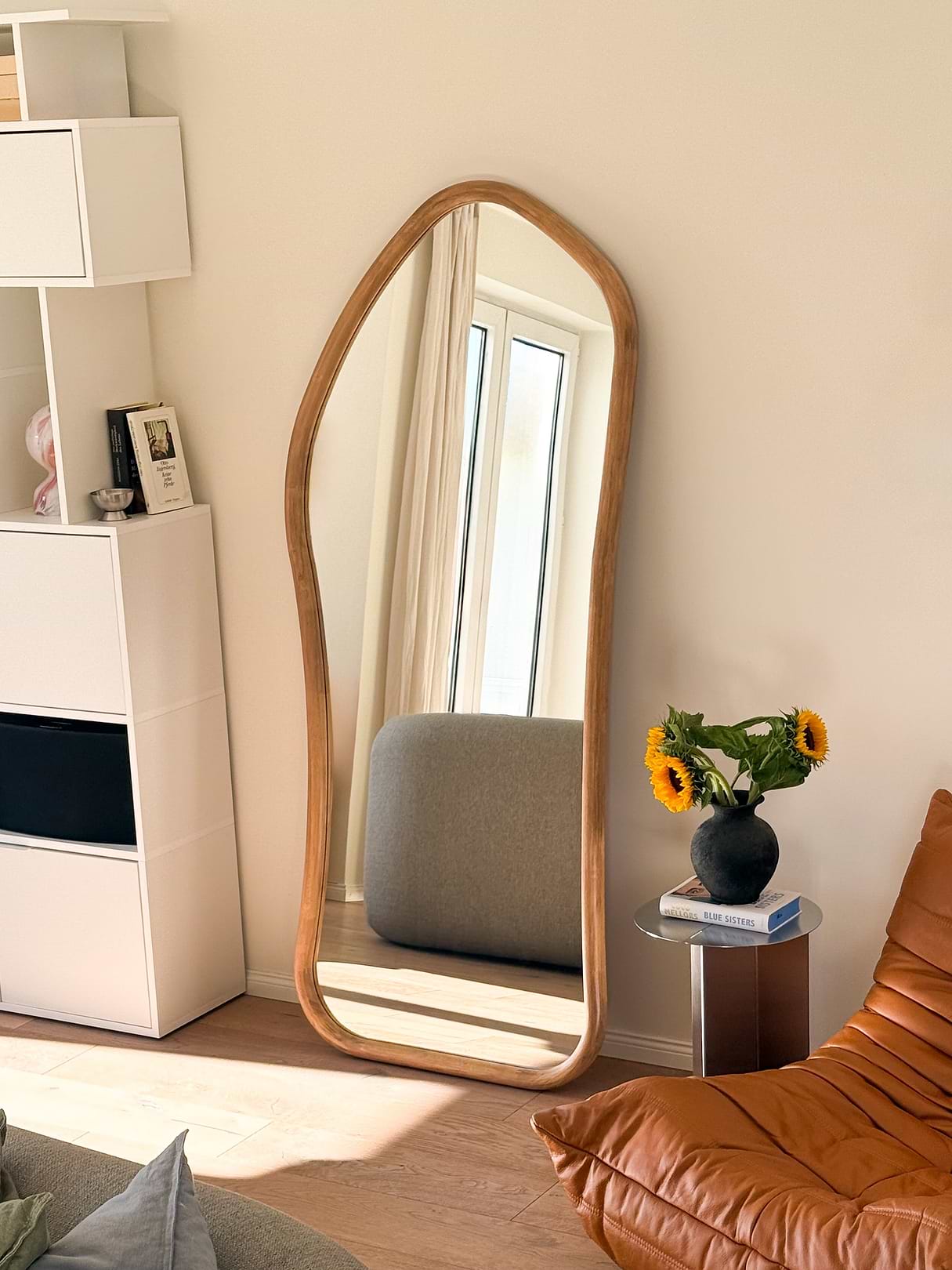
Wood Frames: Perfect for adding warmth and texture. A wooden frame on a round mirror adds a rustic look. On the other hand, a dark wood frame on a rectangular mirror creates a sophisticated look, perfect for modern homes.
-
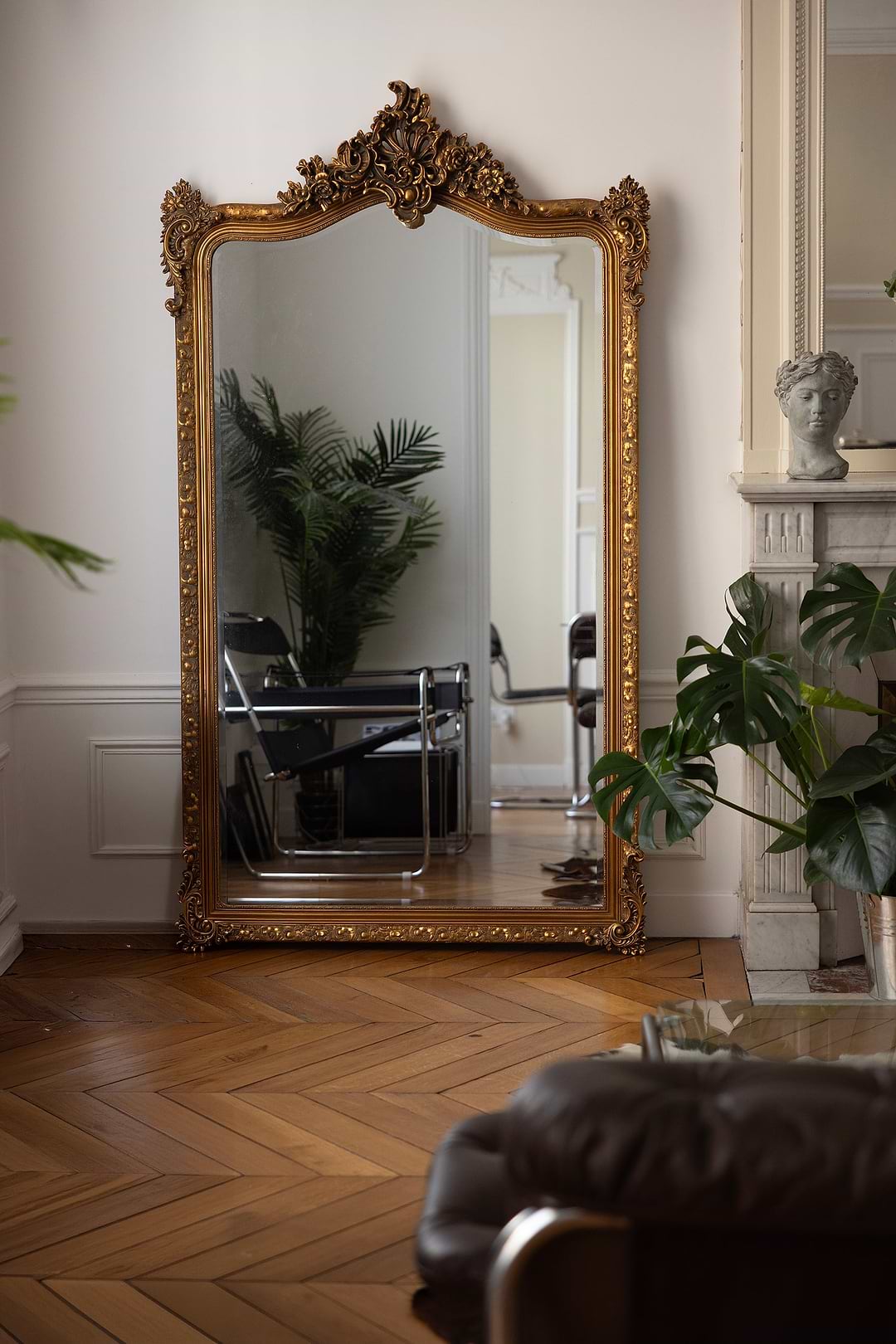
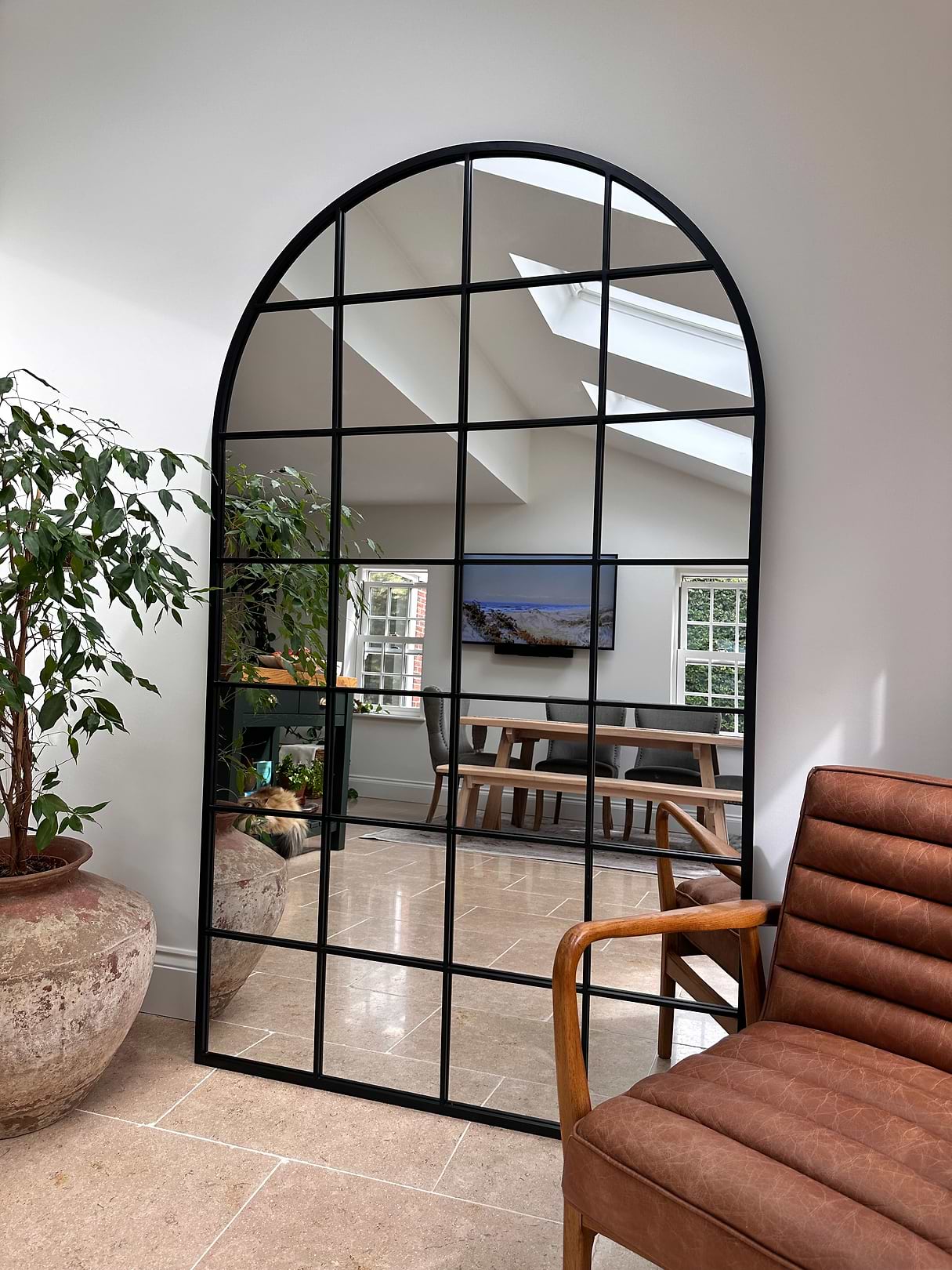
Metal Frames: Brass, gold, or black metal frames add a touch of industrial or glamorous style. A thin metal frame on an arch mirror creates a contemporary look, while a thick, ornate metal frame gives a feel of vintage elegance.
-
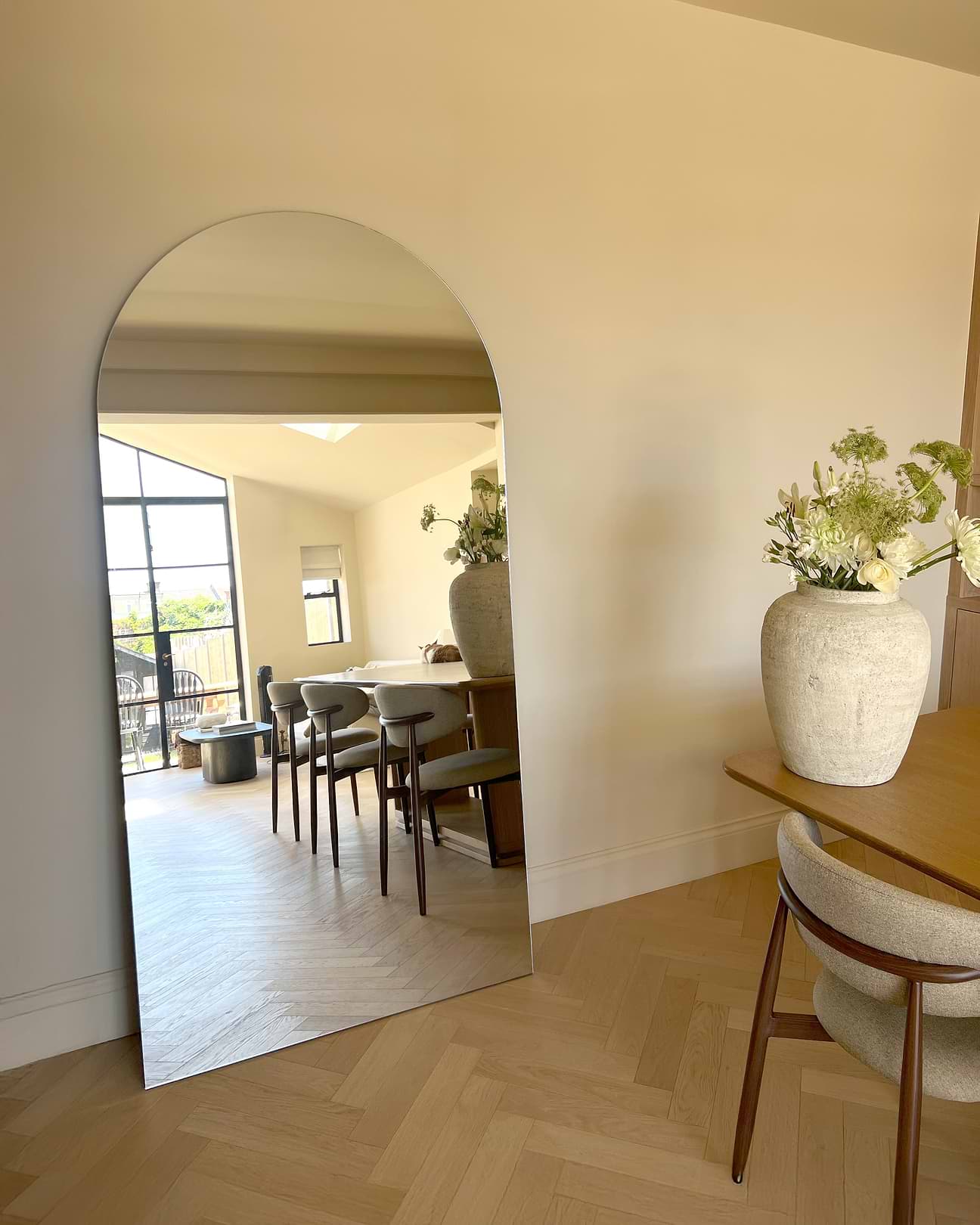
Frameless: For an ultra-modern, seamless look, frameless mirrors allow the shape to speak for itself. This is particularly effective in smaller spaces where a frame might feel too heavy.
Choosing The Right Mirror Shape
Choosing the right mirror shape involves understanding the geometry of your room and the function of the space. While common suggestions recommend rectangles for structure and rounds for softness, the best choice is the one that resonates with your personal style and meets your specific needs.
We believe that every home should have a mirror that reflects light and reflects the personality of those who live there. Take your time, consider the characteristics of your rooms, and choose a shape that matches your home.