Skip to content



Irregular mirrors have become a popular way to bring personality and character into the home. Moving away from traditional rectangular, round and arched designs, their organic shapes can soften a room while creating an eye-catching focal point.
With different shapes, sizes, colours and finishes available, finding the right design for your home is about more than simply choosing the mirror you like the look of. From considering the proportions of your room to deciding how you want to style it, there are plenty of ways to make an irregular mirror work within your existing décor.
What is an irregular mirror?
An irregular mirror is a mirror that doesn't follow a conventional geometric shape. Rather than having straight edges or a perfectly symmetrical outline, irregular mirrors feature organic, abstract or uneven shapes. These can include curved and asymmetrical silhouettes.
The appeal of an irregular mirror comes from its less structured appearance. Traditional rectangular mirrors introduce strong horizontal and vertical lines to a room. Whereas an organic-shaped mirror can create a softer visual effect that breaks up an interior of straight lines, angular furniture or hard architectural features.
An irregular mirror doesn't necessarily have to create a bold or unconventional look. Depending on the shape, frame and finish you choose, it can be a subtle addition or the main feature of a room.
Why opt for an irregular mirror over a standard one?
One of the biggest reasons to choose an irregular mirror is the opportunity to introduce a different shape into your interior. If your room already contains a lot of rectangular furniture, shelving and artwork, an organic mirror can add some variation.
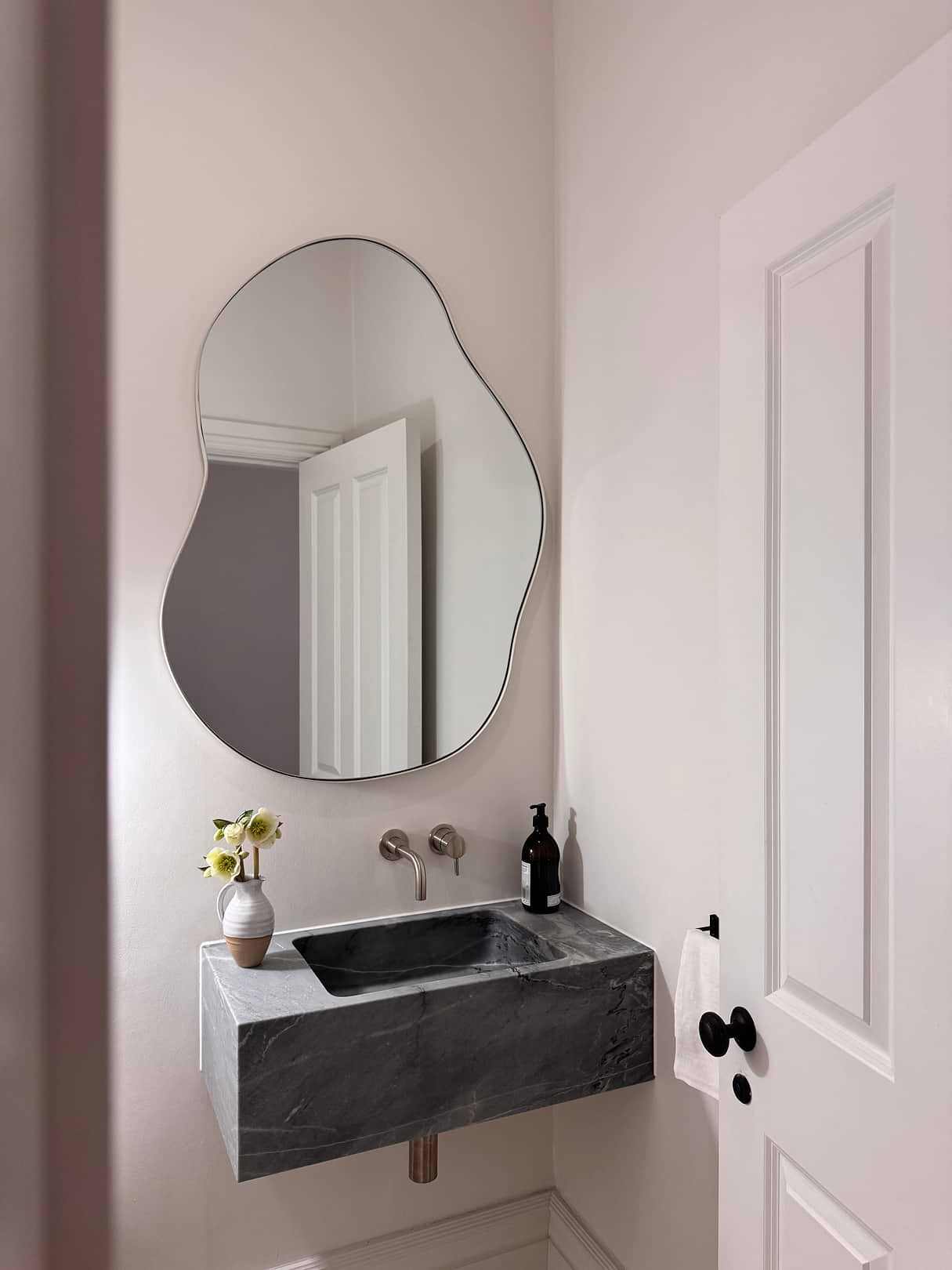
Irregular mirrors can also make a statement without relying on an elaborate frame. A frameless design, for example, allows the shape of the glass itself to become the main feature. This blends well in contemporary interiors where you want to keep the overall look relatively simple.
Design Versatility
Another benefit is their versatility. An irregular mirror can be used in many of the same places as a standard wall mirror, including hallways, bedrooms, living rooms and dressing areas. A larger full-length design can also be useful in a bedroom or dressing space, while a smaller wall mirror can be positioned above furniture or used as part of a decorative arrangement.
The shape you choose can also influence the atmosphere of the room. Softer curves can complement rooms with rounded furniture and natural materials, while a more abstract silhouette can suit contemporary spaces where the mirror is intended to act as a piece of statement décor.
Of course, a standard mirror can still be the right choice for some interiors. If your room has a more traditional style or you need a mirror to fit neatly within a specific space, a conventional design may be more practical.
Irregular mirrors are worth considering when you want your mirror to contribute to the overall design of the room rather than provide a reflective surface.
Which irregular mirror is right for my interior?
With so many different designs available, start by considering the existing style of your room. The frame, colour and shape of an irregular mirror can all affect how it looks alongside your furniture and décor.
For minimalist interiors
If your home has a minimalist aesthetic, consider an irregular mirror with a simple silhouette and limited detailing. A frameless design can be as effective, as it allows the unusual shape to provide visual interest without introducing another colour or material.
A pond-shaped mirror can work well here, particularly when paired with a neutral colour palette and simple furniture. Our Edge Large Frameless Irregular Pond Mirror is available in several sizes, making it possible to choose a size that works with your wall.
For natural and warm interiors
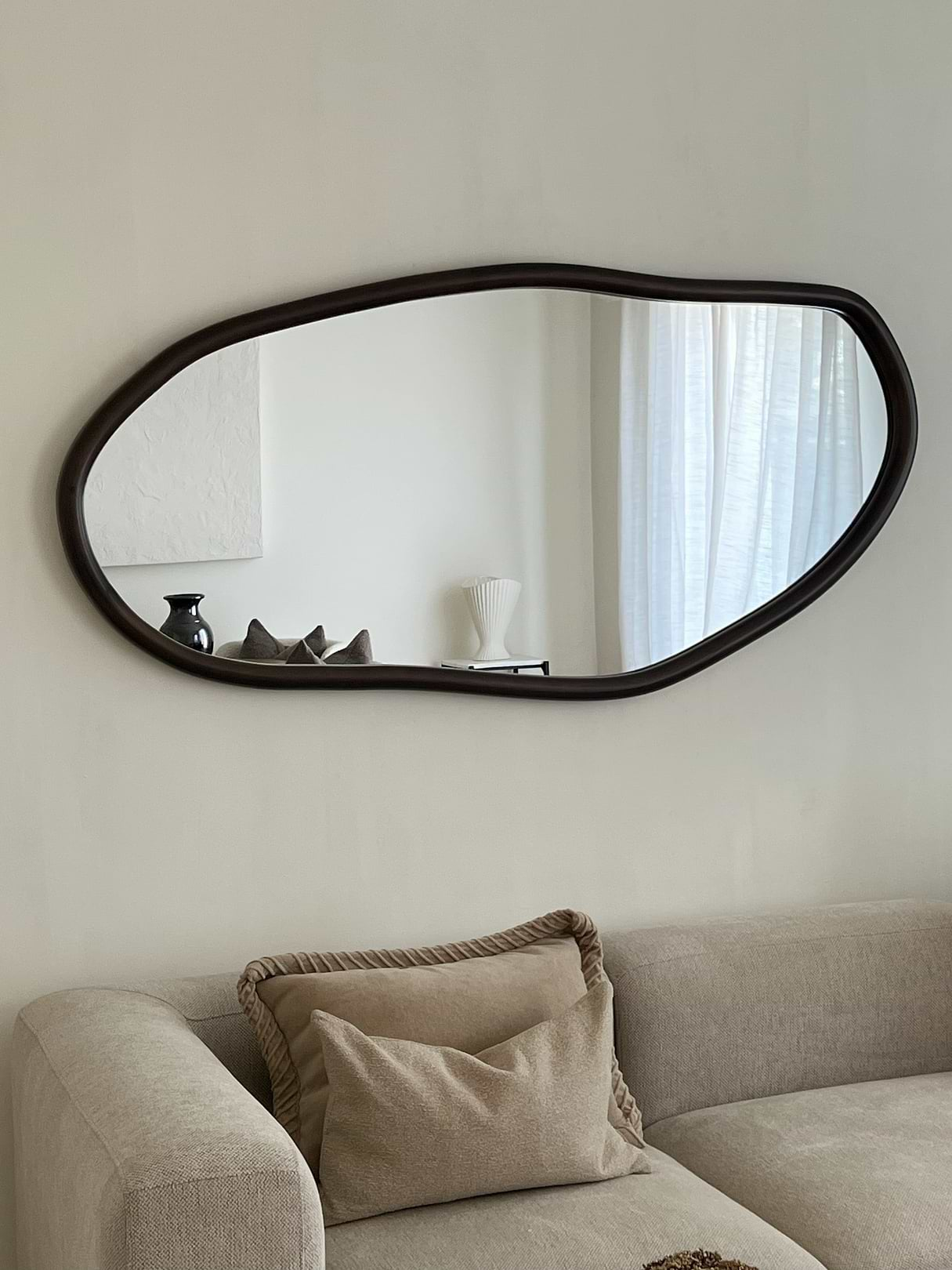
Wood-framed irregular mirrors are a natural choice for rooms featuring timber, rattan, linen and other organic materials. A warm or light wood frame can complement these finishes without looking overly formal.
The Aaliyah collection is available in light, dark and warm wood finishes, with both wall and full-length options. This gives you the flexibility to choose a finish that either blends with your existing furniture or creates a little more contrast.
For contemporary interior
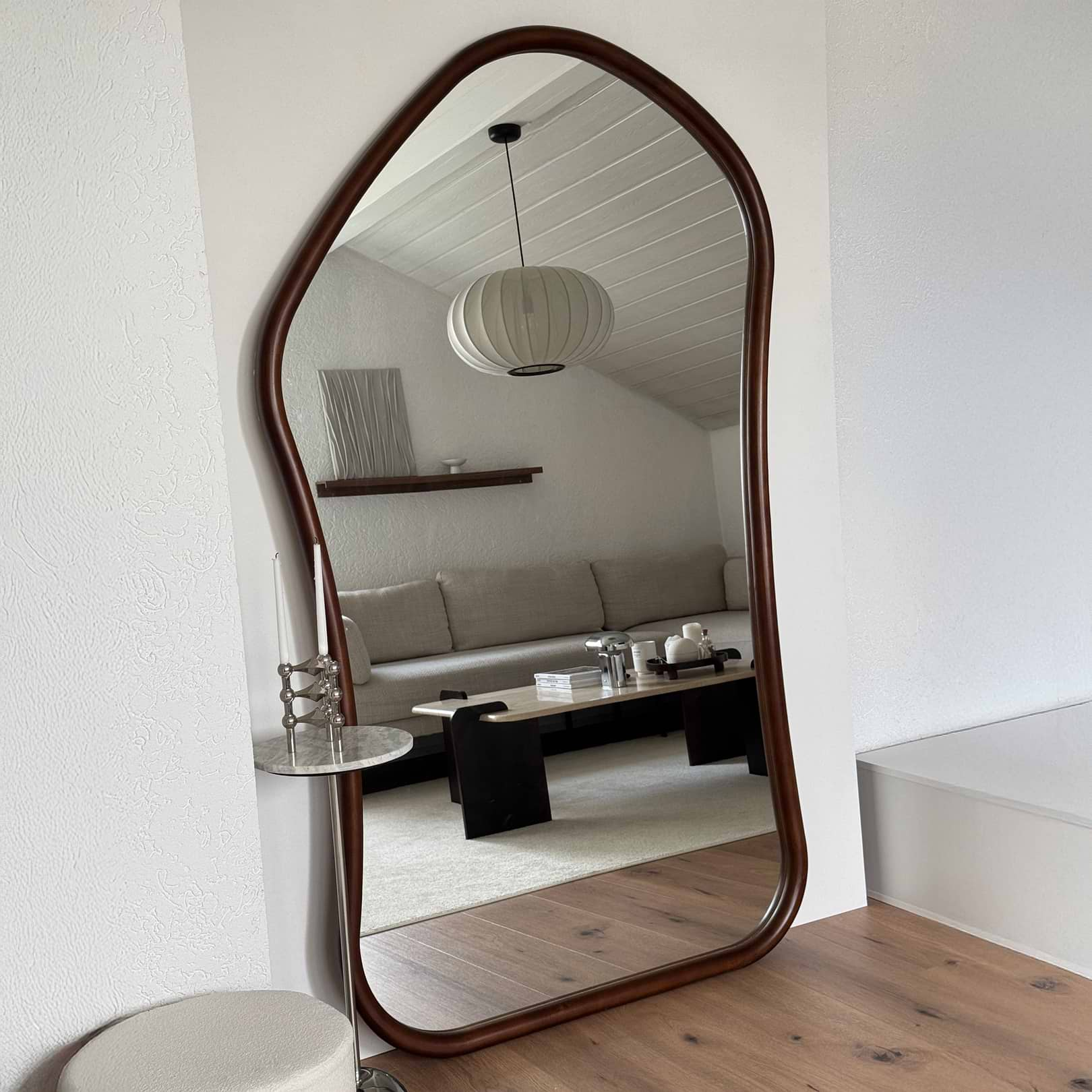
For a more contemporary look, consider an irregular mirror with a darker frame or a concrete finish. These can work particularly well alongside black details, neutral walls and modern furniture.
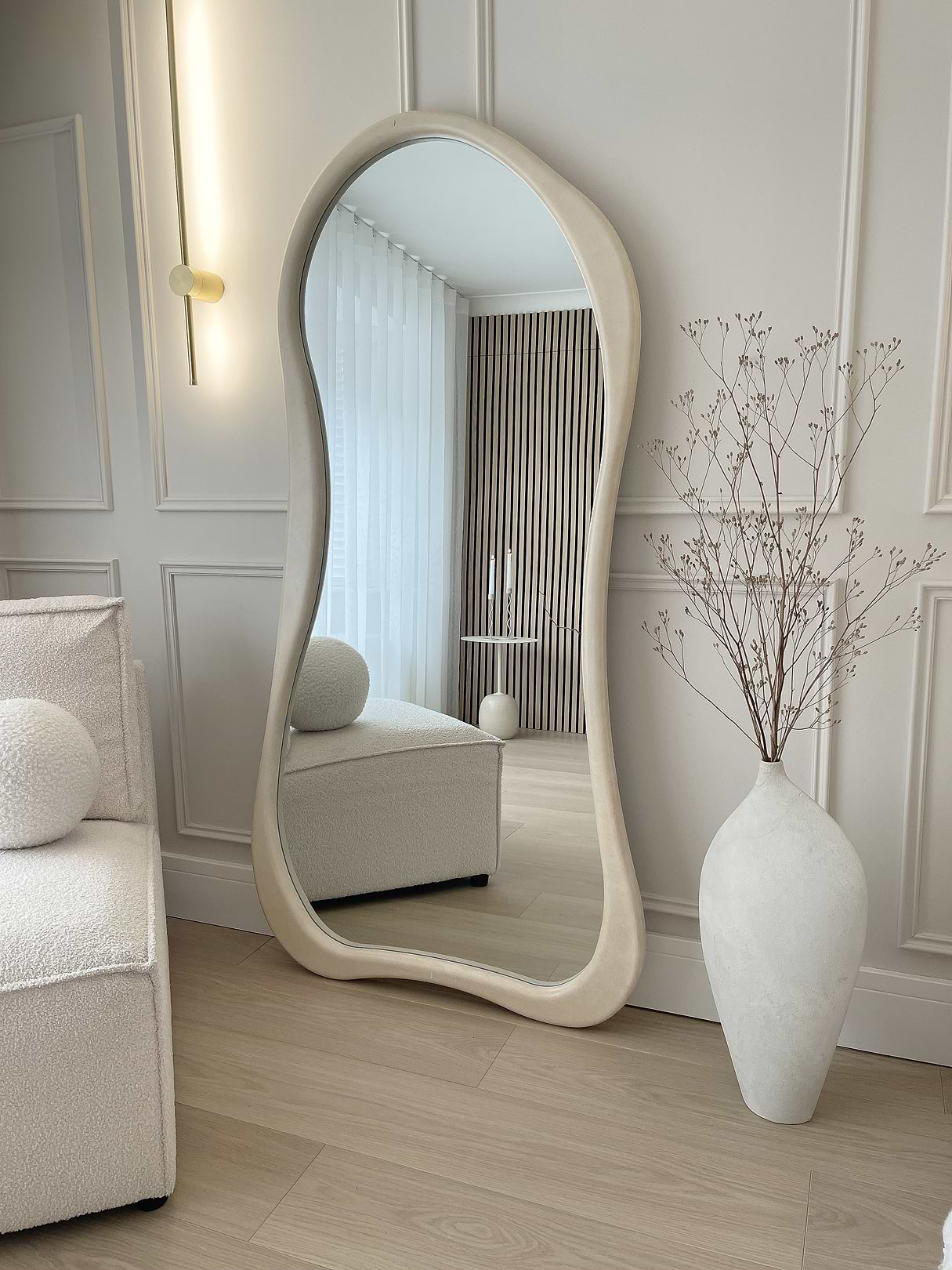
The Arcurva collection offers several irregular designs in dark wood, light wood and concrete finishes, including larger full-length options. Its more substantial proportions can make the mirror a focal point in a spacious bedroom, dressing area or living space.
For smaller spaces
If you're working with a smaller wall, you don't necessarily need a large statement mirror. A smaller irregular design can still add character without overwhelming the room.
Think about what is already on the wall before choosing your mirror. If you're placing it above a console, sideboard or dressing table, leave enough surrounding space for the shape to remain visible rather than positioning it too close to other décor.
How to style an irregular mirror?
Once you've chosen your mirror, think about how you want to incorporate it into the wider room. Because an irregular mirror already has an interesting shape, you don't necessarily need to surround it with lots of decoration.
Full Length Irregular Mirrors
One of the simplest approaches is to let the mirror stand alone. Position against a plain wall and give it enough space around the edges to make its silhouette noticeable. This can be particularly effective with full-length designs, which can become a focal point without additional wall art.
Smaller, Irregular Mirrors
For a more layered look, position an irregular mirror above a console table or sideboard. Keep the objects underneath relatively simple, such as a lamp, vase or small decorative accessories. The combination of different heights and shapes can create a balanced display without competing with the mirror.
Alongside Geometric Shapes
You can also use an irregular mirror to soften a room with lots of straight lines. Consider positioning one near rectangular furniture, such as a console, chest of drawers or shelving unit. The contrast between the furniture and organic shape of the mirror can make the overall arrangement feel more considered.
Consider Lighting
When choosing where to position your mirror, consider what will be reflected in it, too. Placing a mirror opposite a window can help to reflect natural light around the room, while positioning one opposite an attractive feature can make that part of the space more prominent.
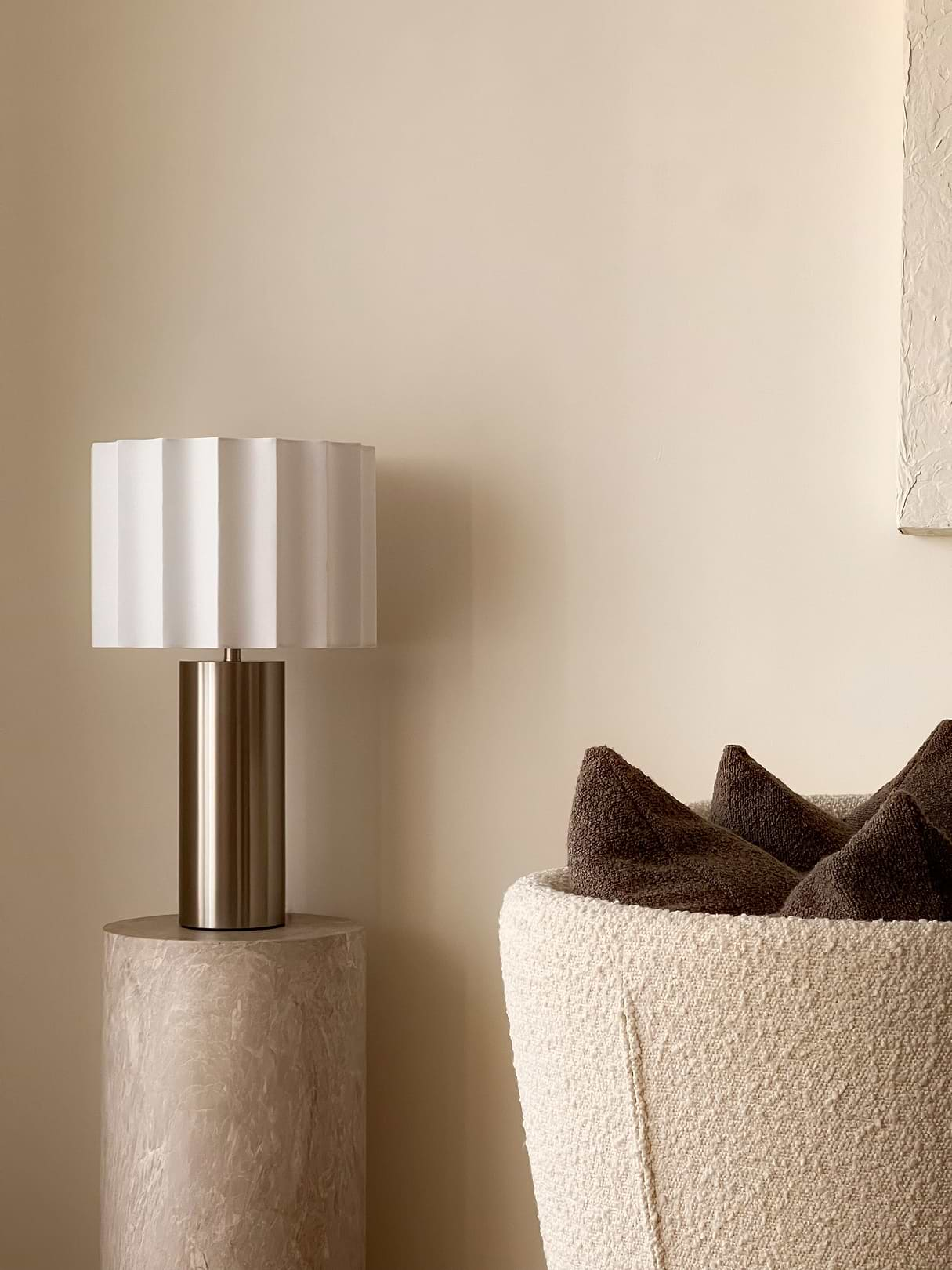
If windows or natural lighting are limited, consider using well placed lamps to bring a sense of warmth to your space, and bring additional lighting into your home. Tactically layering artificial lighting can also help you to make your space feel larger.
Don't be Afraid to go Large
Finally, don't be afraid to lean a large free standing mirror rather than hanging it on the wall, where suitable and safe to do so. A leaning mirror can create a more relaxed look and is particularly suited to bedrooms and dressing areas.
Give your walls a more organic feel
An irregular mirror can be an easy way to introduce a different shape, texture or finish into your interior. Whether you choose a frameless pond-inspired design, a warm wooden frame or a contemporary concrete-effect finish, the right mirror can become an important part of the room rather than an afterthought.
When choosing your design, consider the size of your space, the furniture surrounding it and the colours and materials already present. From there, you can use the mirror as a subtle finishing touch or make it the focal point of your interior. With so many organic and abstract designs available, an irregular mirror offers a wide range options to create a space that feels personal and considered.