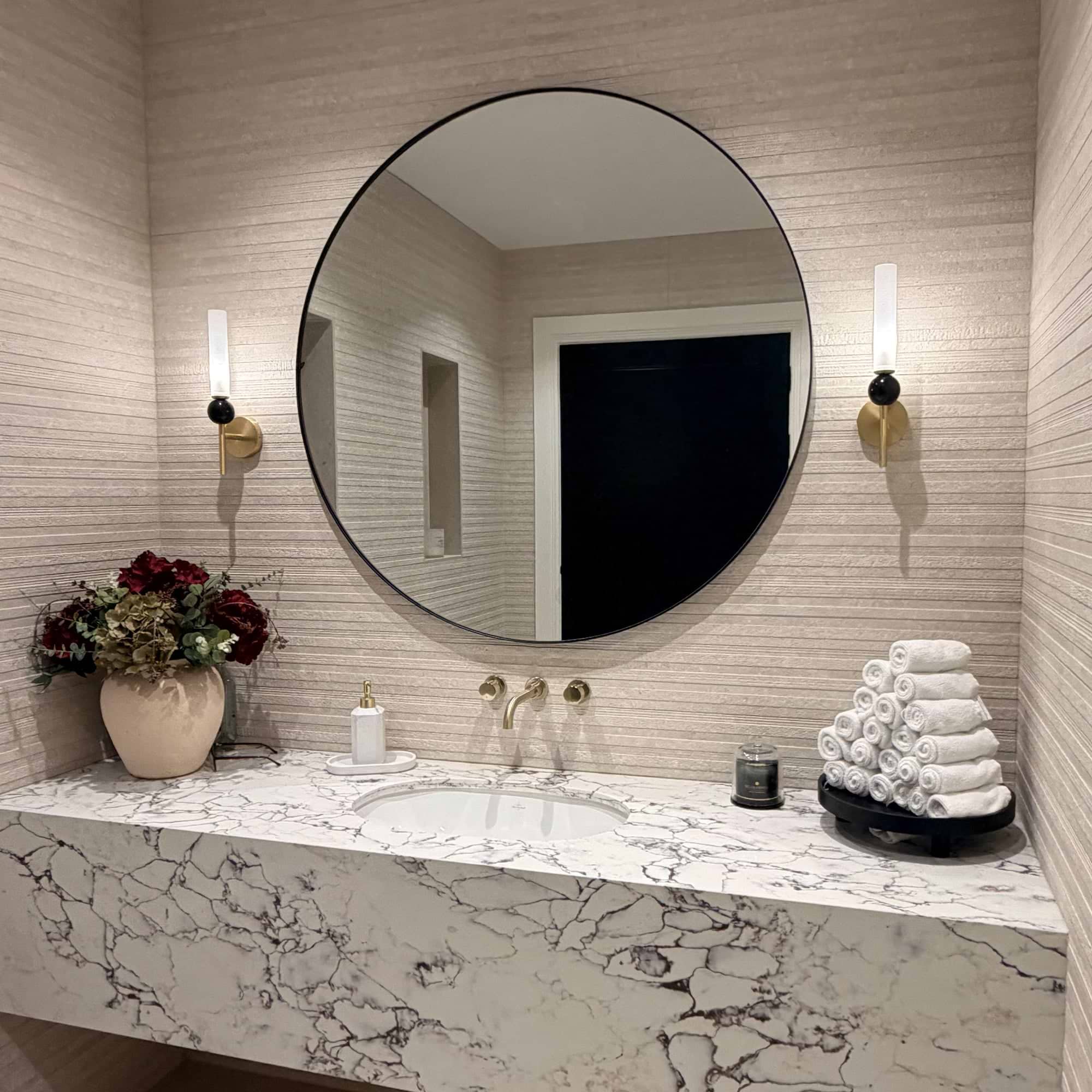
Skip to content



We often imagine big chandeliers, imported marble and fancy furniture when we think of a luxury home. However, luxury is less about the price tag and more about the feel of a space. Cohesion, texture, lighting and attention to detail are all essential.
It is possible to elevate your home without breaking the bank when you understand the principles that define high-end design.
The Foundation of a Luxury Look
The most significant impact you can make for the least amount of money lies in your choice of colour and lighting.
Carefully Chosen Shades
High-end interiors almost always rely on a cohesive, thoughtfully curated colour palette. You do not need lots of different colours, a couple of well-chosen shades can really elevate a room.
Opt for a neutral base, such as creamy whites, warm greys or soft beiges, and layer them with deeper, richer tones like navy, emerald green, or charcoal. This creates a feeling of depth and sophistication. Try to avoid bright white walls, which can feel clinical and sterile, and instead choose warm off-whites that reflect light softly.
When you are looking a luxury feel on a budget, consider adding a feature wall. A deep, saturated colour on a single wall or behind a bed can instantly create a focal point that feels bespoke and intentional.
Intentional Lighting
Lighting is the second pillar of luxury design. Cheap, harsh overhead lighting is the enemy of a refined atmosphere. Instead, invest in a few strategic pieces of lighting that creates layers.
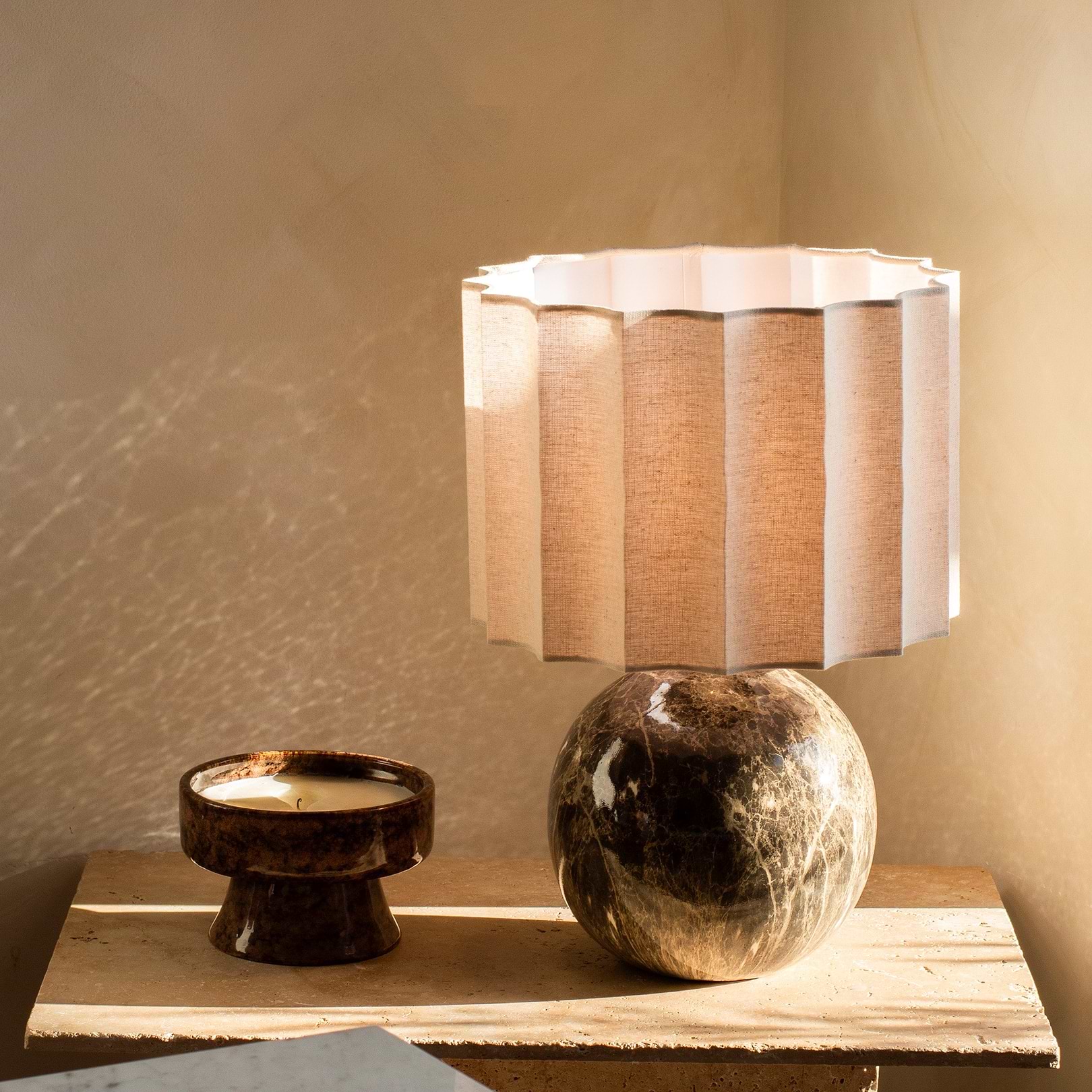
A statement pendant light, even an affordable one with a unique design or material, can serve as a piece of art. Try to avoid choosing bright, white light bulbs, and instead focus on warmer lighting to create a comforting atmosphere. Dimmer switches are also a cheap upgrade that dramatically changes the mood of a room.
Combine your main source of light with table lamps and floor lamps to create different areas of warm, inviting light. This layering technique is used by many interior designers in high end spaces, it softens spaces as well as adding a sense of depth to many rooms.
How to Choose Texture and Materials
The key to a room that is visually interesting is to mix materials that have different weights and finishes. Focus on adding texture with your soft furnishings. Swap out standard cotton cushions for velvet, linen or faux fur throws. These materials add a layer of comfort and richness that plain fabrics lack. A velvet sofa in a deep colour, or even a textured throw draped over a simple armchair, adds an immediate sense of opulence.
Similarly, consider the flooring and surfaces. If you cannot afford hardwood or natural stone, look for high-quality laminate options that mimic these materials.
Rugs are another excellent tool; a large, plush rug with a subtle pattern can anchor a room and add warmth. Ensure your rugs are large enough to fit under the main furniture pieces. A common mistake people make when budget decorating is not going big enough, which can make a room feel disjointed and cheap.
Less is More: Declutter and Curate
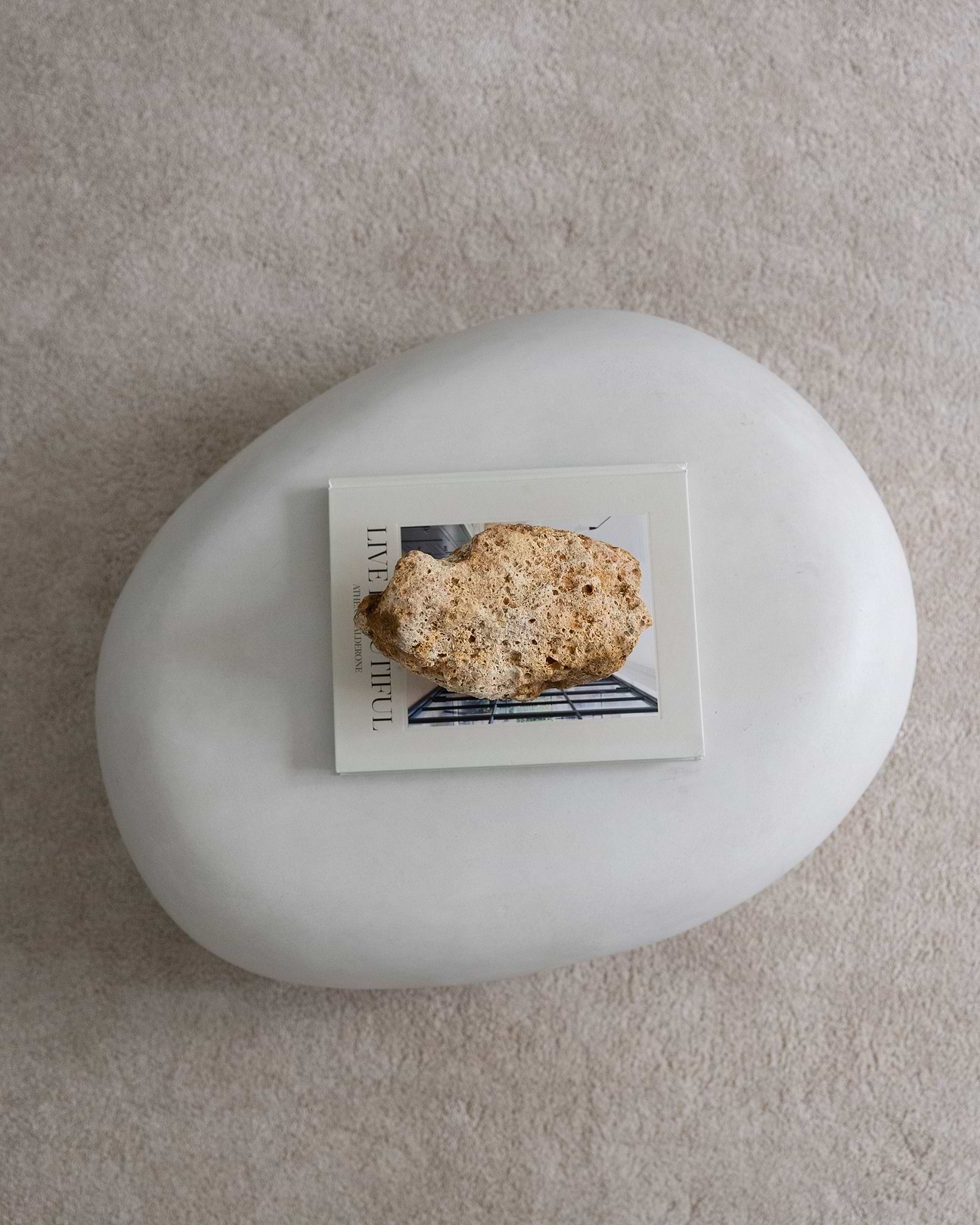
Luxury is about space and order. Clutter is the opposite of a sophisticated interior. Before spending money on new items, take time to declutter. Remove unnecessary items, hide cables, and ensure that surfaces are clear.
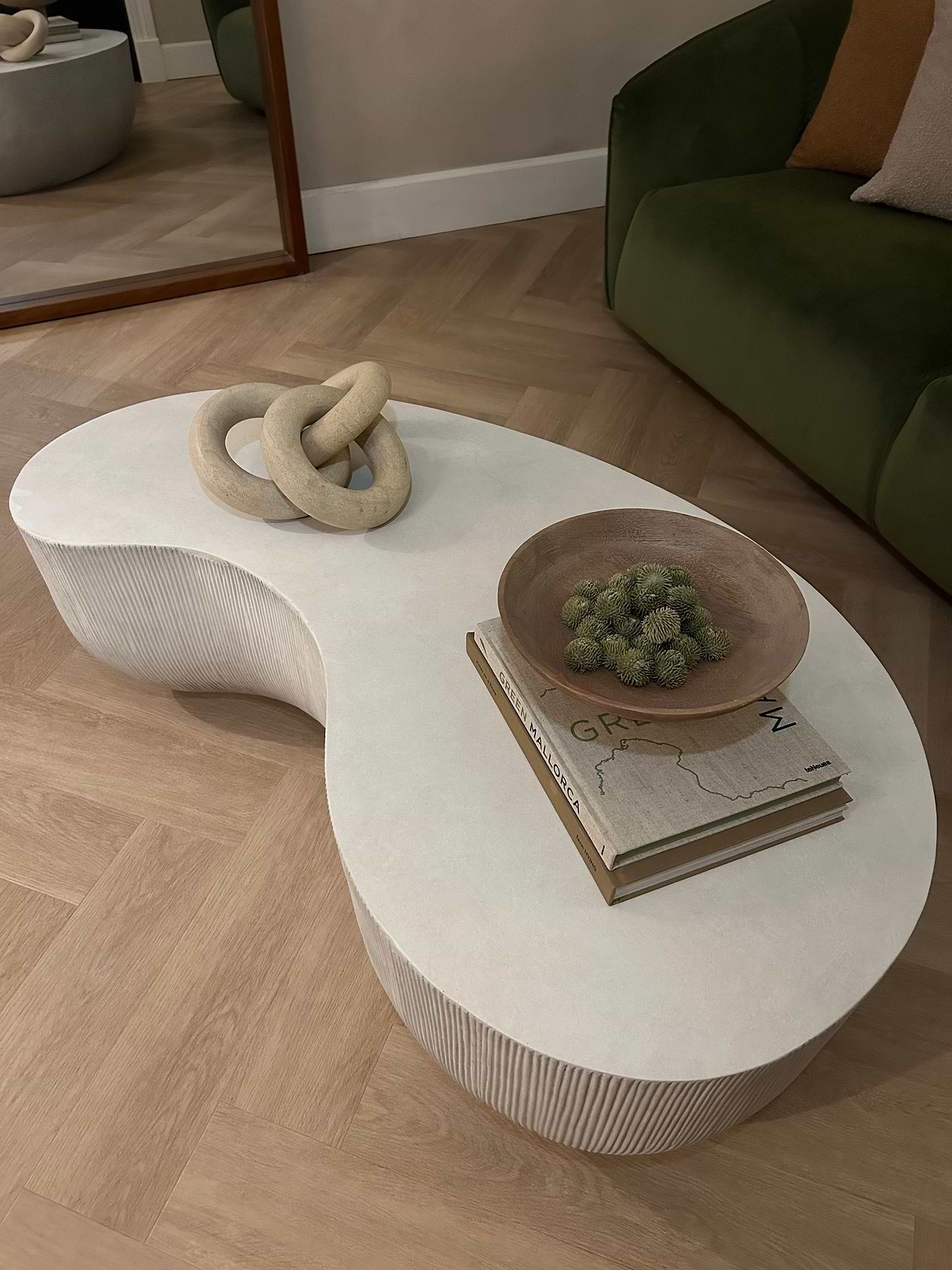
A minimalist approach does not mean an empty room, it means every item on any furniture such as side tables or coffee tables has a purpose and a place.
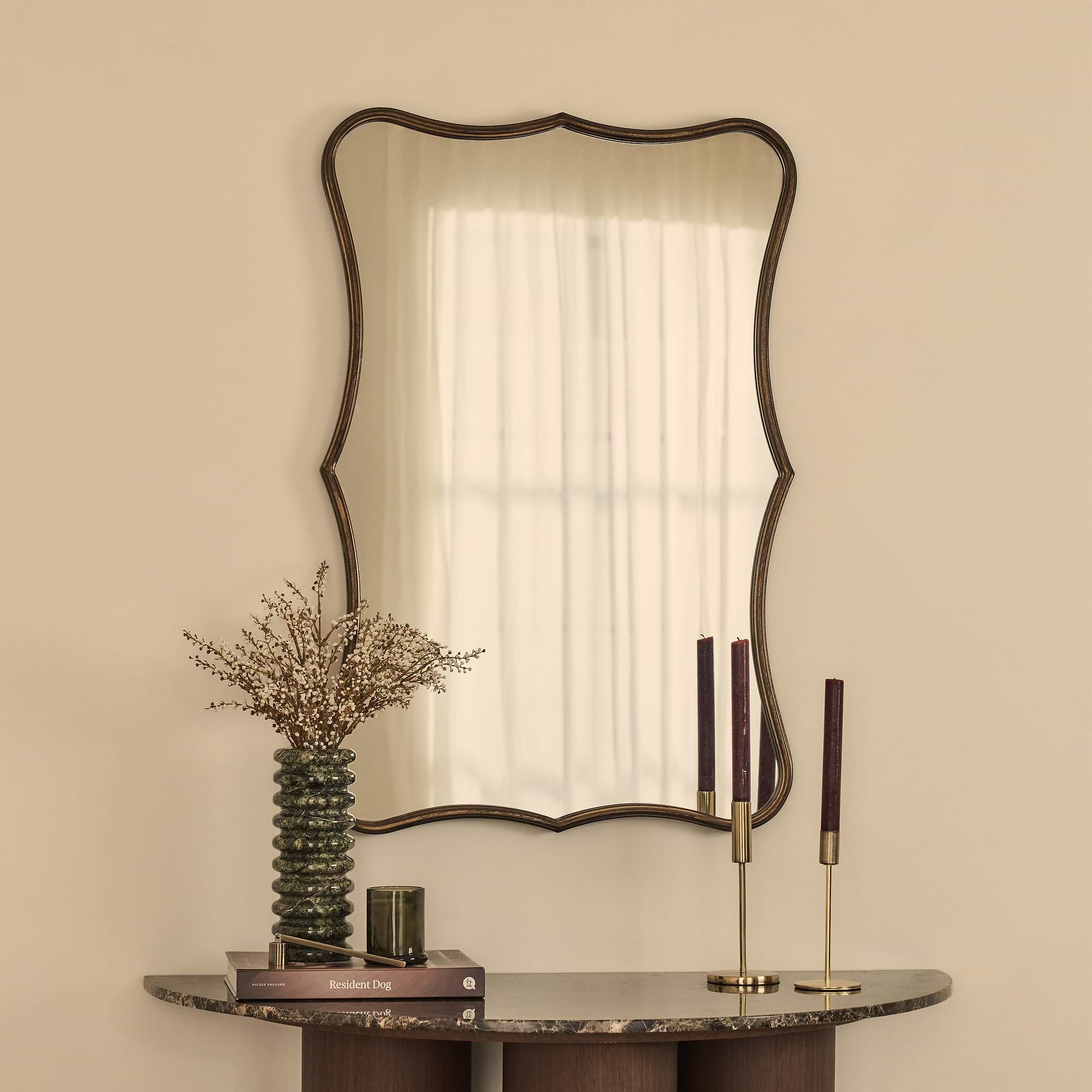
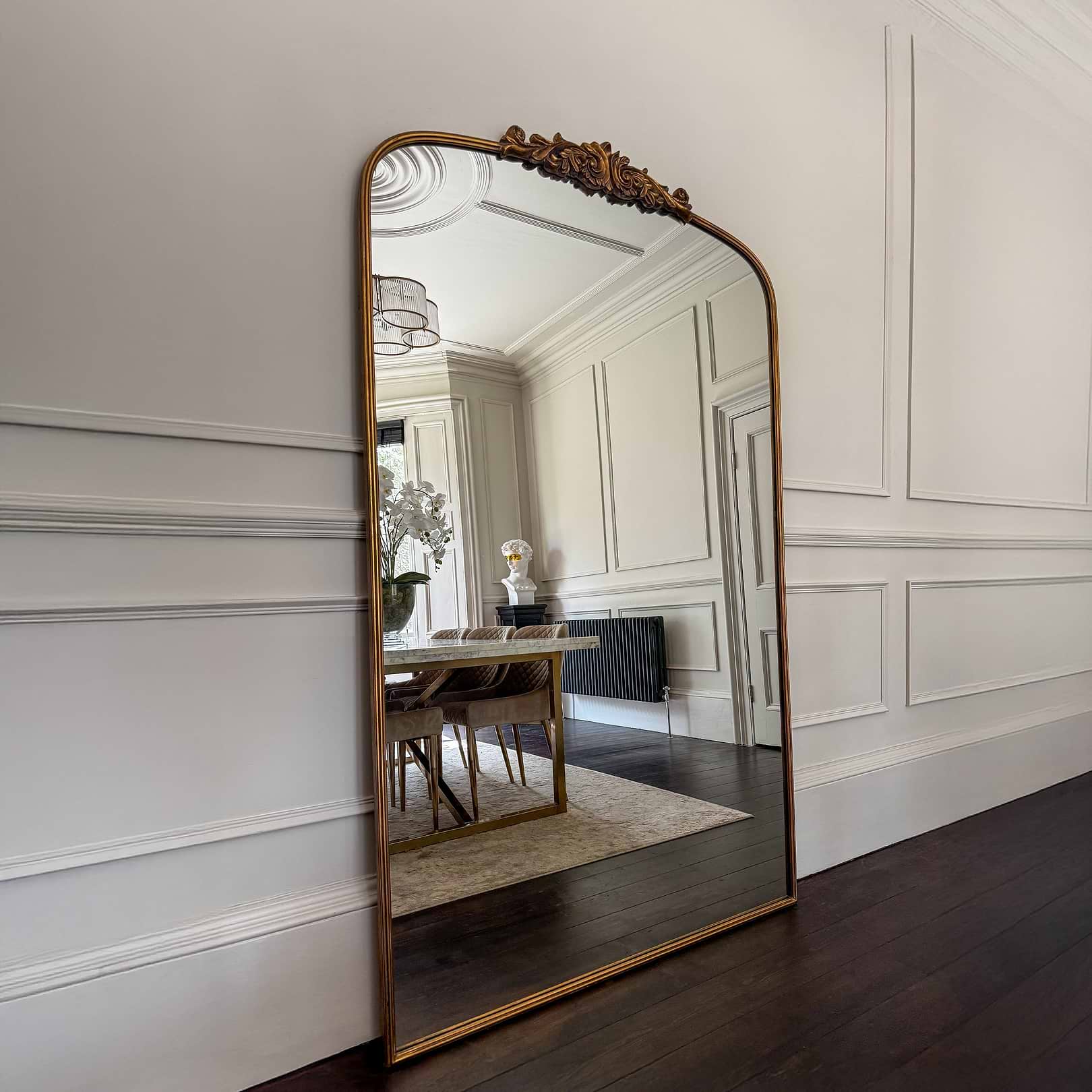
When you do introduce decor, be selective. Instead of buying many small, cheap knick-knacks, invest in a few high-impact pieces. A single, well-framed piece of art or a vase can speak louder than a shelf full of trinkets. This is the essence of luxury decor on a budget: quality over quantity. A carefully selected accent chair or a statement gold mirror can add a layer style that basic, cheap items cannot.
The Impact of Small Details
Pay attention to the hardware in your home. Swapping out standard cabinet knobs, drawer pulls, and door handles for brass, brushed nickel, or matte black fixtures is a small change that can make a huge impact.
Similarly, consider your windows. Cheap, flimsy curtains can ruin a room, while floor-to-ceiling curtains in a high-quality fabric can make a window look grand and the room feel taller. If custom curtains are not an option, look for ready-made options in heavier fabrics and hang them high and wide.
DIY and Upcycling: Creative Solutions
The most cost-effective way to achieve a luxury look is often through creativity and DIY.
Upcycling existing furniture can breathe new life into pieces that would otherwise be discarded. A simple coat of paint, new legs, or a fresh layer of fabric can transform a dated side table or dresser into a statement piece. Sanding and sealing wood can reveal its natural grain, adding warmth and authenticity.
For those with a bit of time, creating your own art is a fantastic way to add a personal touch. Large prints can look incredibly sophisticated when hung in a cohesive grid. The key is to ensure the framing is high-quality and the presentation is professional.
Maximise Your Budget
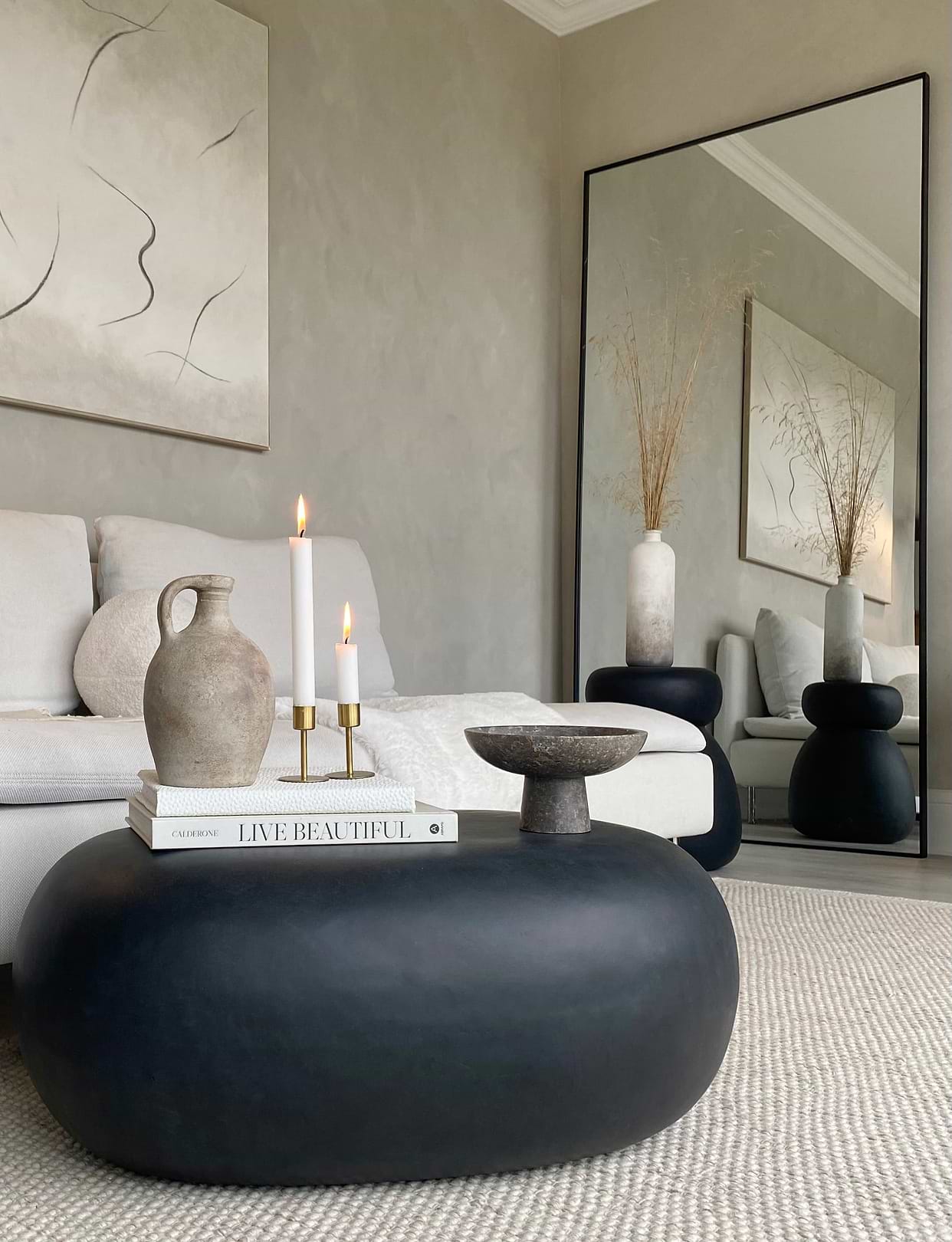
Ultimately, the key to making your house look luxurious on a budget is about shifting your mindset from purchasing expensive items to cultivating a sense of refinement. It is about understanding that luxury is a feeling of calm, order and beauty.
By focusing on colour, lighting and texture, you can make your home feel expensive and inviting, regardless of how much things cost. Remember, luxury decor on a budget is about being smarter with your resources and ensuring that your space reflects your personal taste and values. With patience, creativity, and a keen eye for detail, you can turn your home into a high-end sanctuary.