Skip to content



The evolution of interior design mirrors the history of human civilisation. It shows how we have transformed our living spaces from shelters for survival into complex environments that reflect our culture, technological advancements and aesthetic preferences.
Earliest History of Interior Design
The earliest roots of interior design can be traced back to prehistoric times, where the most important thing was survival. Early humans utilised caves and natural shelters, decorating them with tools and paintings for spiritual and practical purposes.

The Impact of Nomadic Tribes
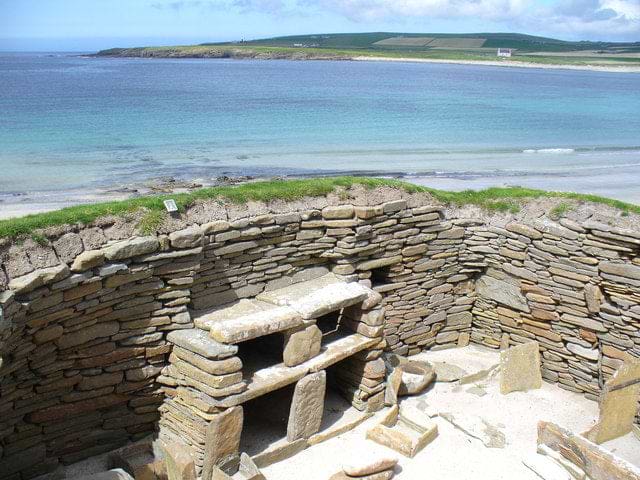
As nomadic tribes settled into permanent structures, the concept of "interior" began to take shape. The Neolithic era saw the first attempts at spatial organisation, with walls constructed from mud, stone and wood.
These early spaces were divided by necessity rather than style, yet the desire to create a sense of order and comfort was already present. The interior design in this period was defined by the materials at hand and the immediate needs of the community.
How Ancient Civilisations Moved Things Forward
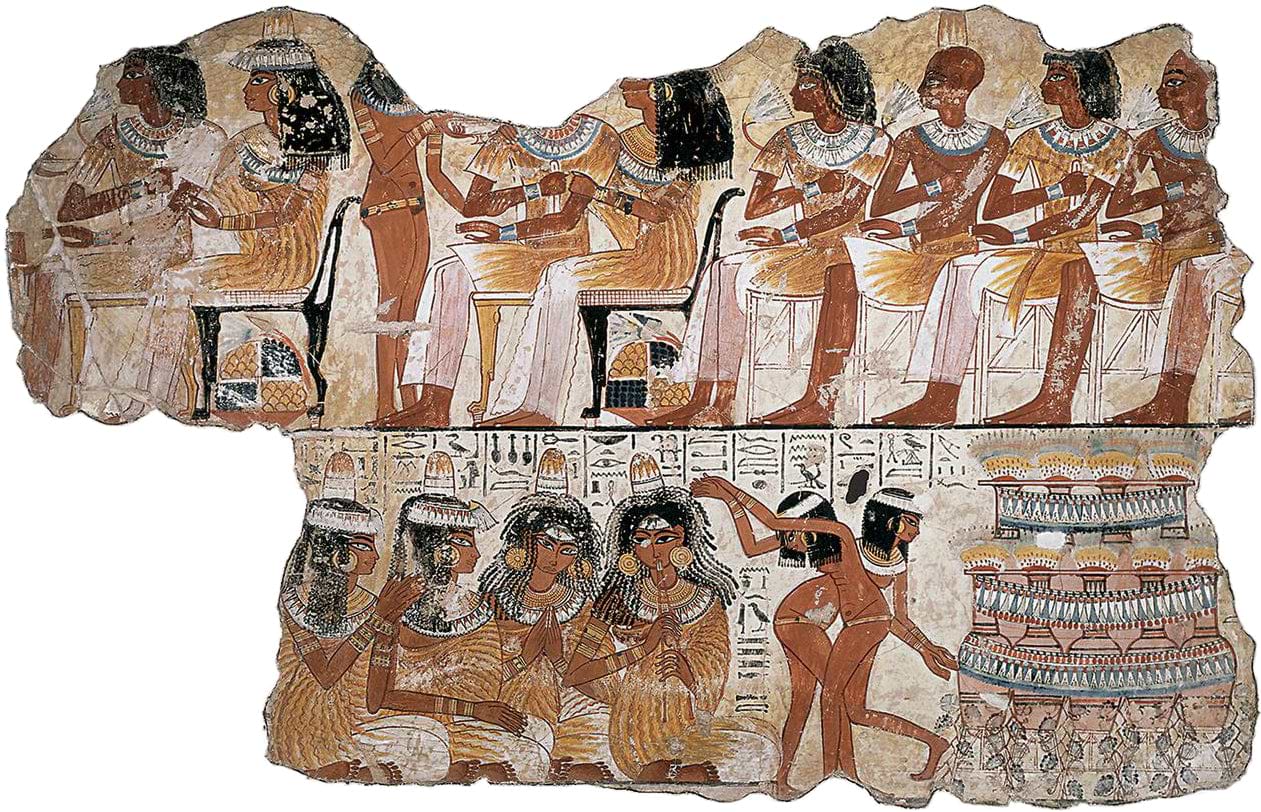
Moving into the ancient civilisations of Egypt, Mesopotamia, and the Indus Valley, interior spaces became more sophisticated.
Ancient Egypt was renowned for its attention to detail in home and funerary architecture. Their homes had painted walls and intricate textiles. The layout of these rooms often reflected social hierarchy, with separate areas for different family members and guests.
Similarly, the Romans revolutionised interior spaces with the introduction of central heating systems, mosaics and frescoes (elaborate paintings). The Roman emphasis on grandeur and display influenced the interior design history for centuries. It established principles of proportion and symmetry that would be revisited in later eras.
Where The Middle Ages Switched It Up
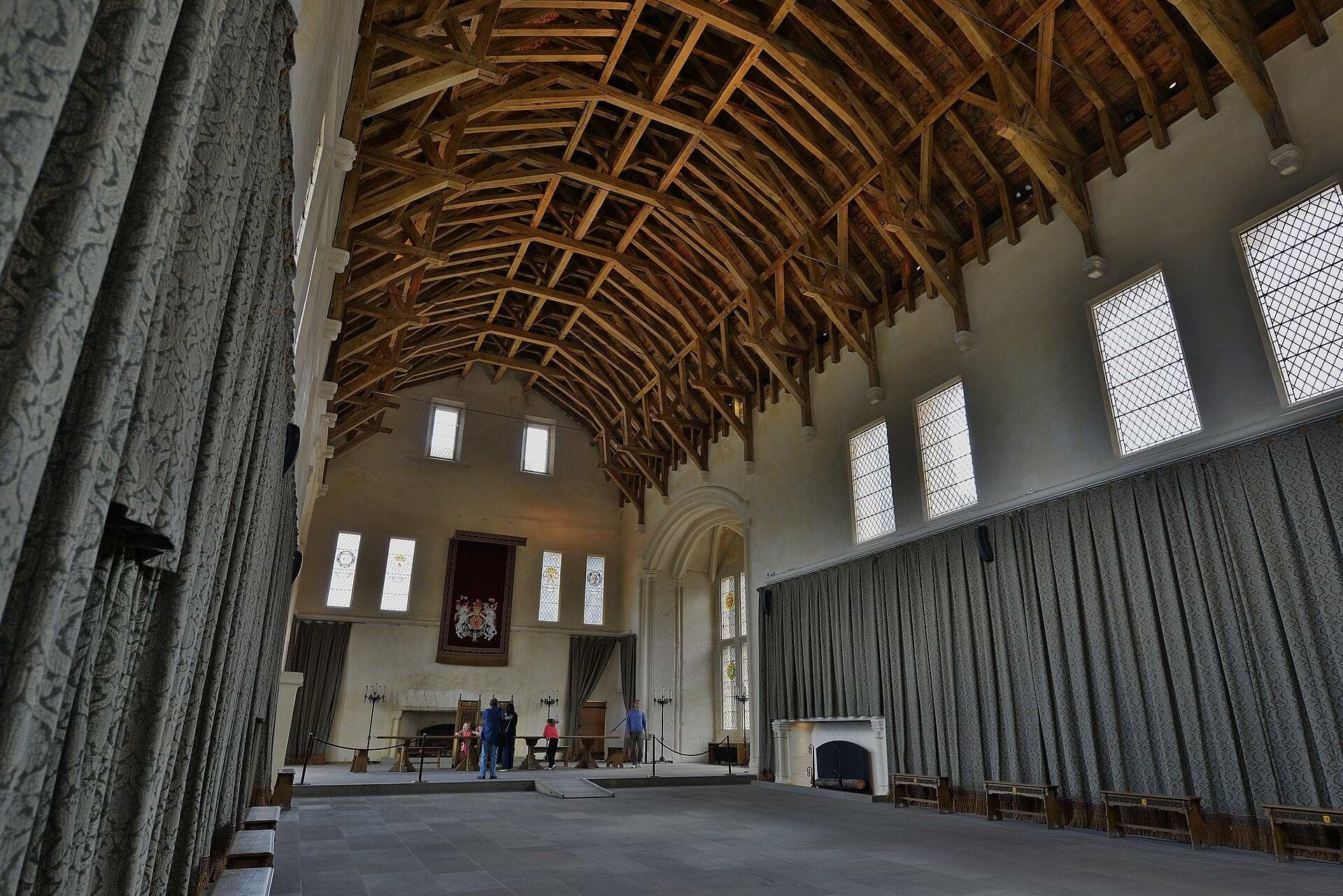
The Middle Ages brought a shift towards fortification and privacy. Castles and manor houses were designed with thick walls, small windows and large fireplaces to provide warmth and security. Interiors were sparsely furnished, with heavy tapestries for decorative and insulating purposes.
However, even in these environments, there was a distinct effort to create comfortable living spaces. Interior design trends in this period highlighted a tension between the need for defence and the desire for comfort, a theme that would reappear in various forms throughout the ages.
The Pivotal Impact of The Renaissance
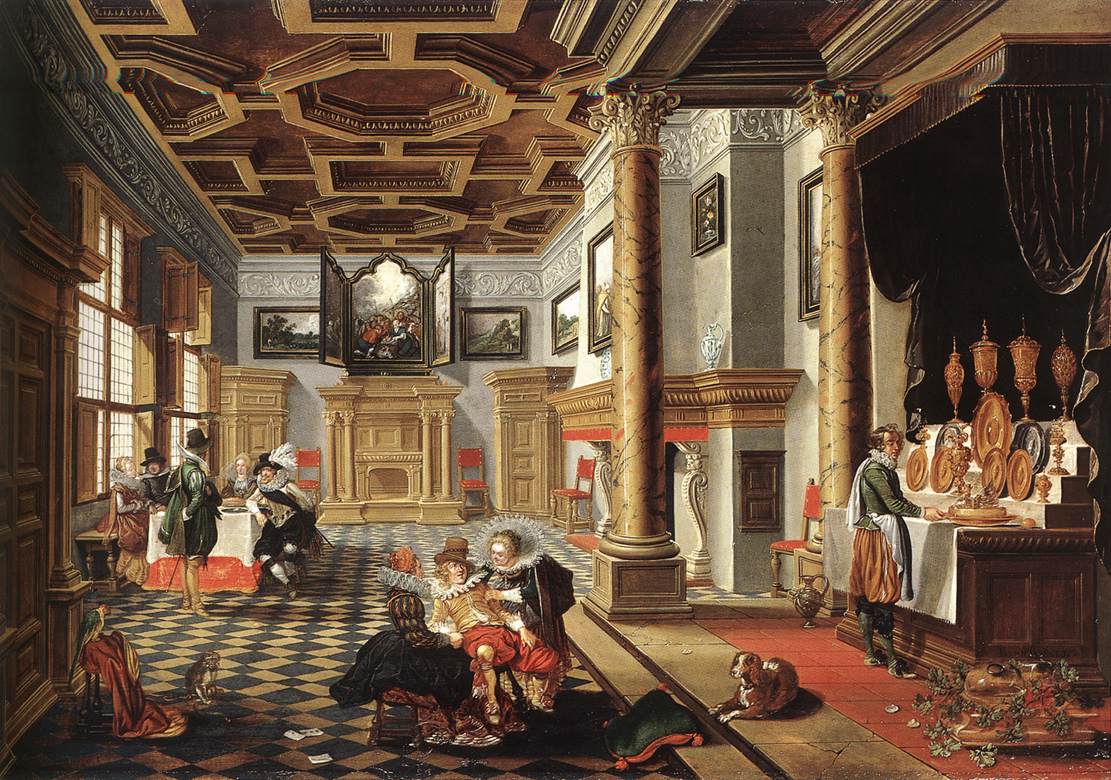
The Renaissance marked a pivotal moment in the history of interior design, as artists and architects began to apply classical principles to homes. Introducing columns, pilasters, pediments, and entablatures to façades and interiors.
This era saw the emergence of the "salon" as a central space for social gathering, reflecting the growing importance of intellectual and cultural exchange. Furniture became more refined, with the introduction of the cabinet, the commode and the elaborate bed.
The Influence of Baroque and Rococo
As we move into the Baroque and Rococo periods, the interior design history takes on a more dramatic and ornate character.
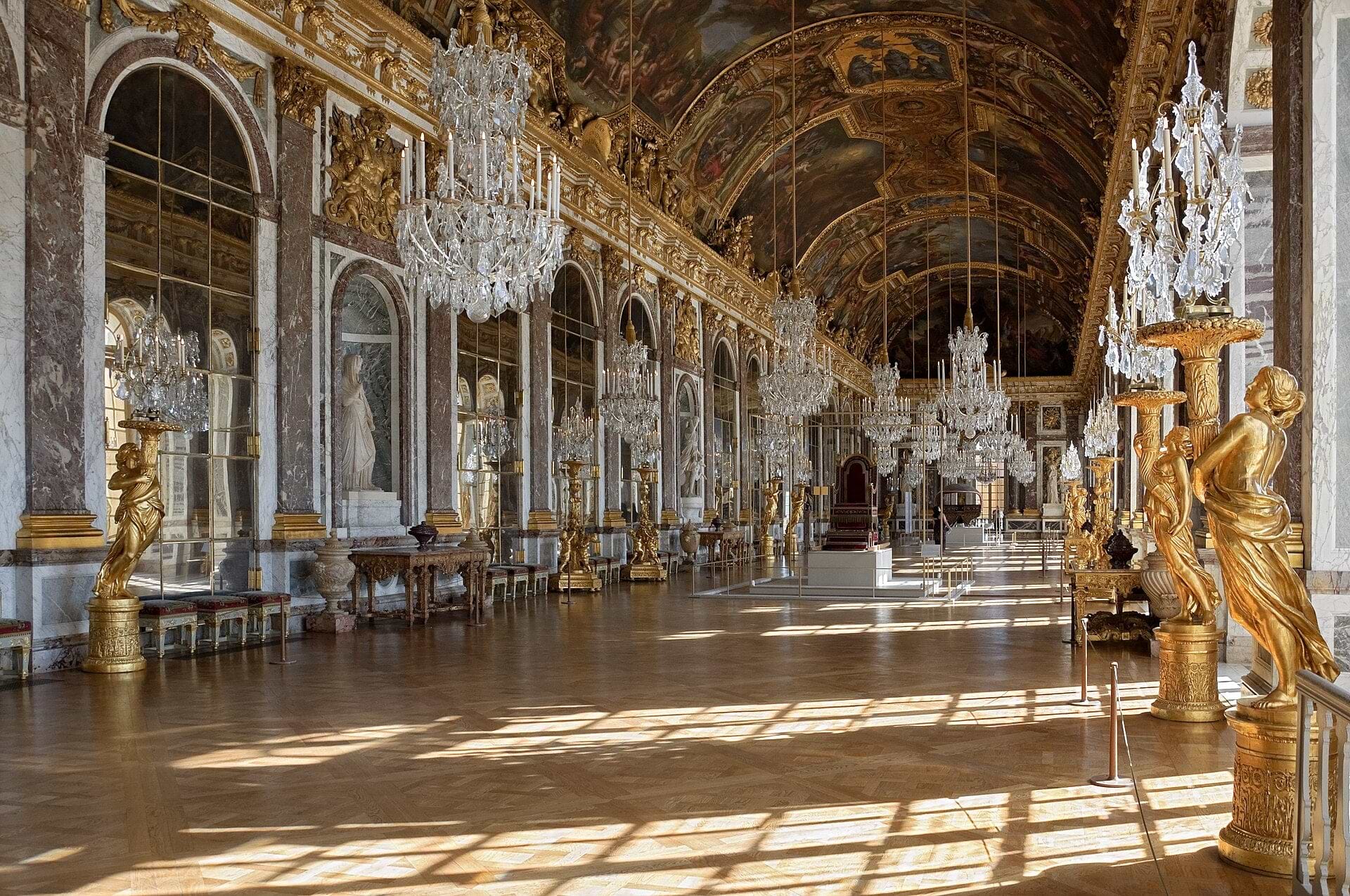
The Baroque style, characterised by grandeur, movement, and theatricality, was exemplified by the palaces of Versailles and the works of architects like Bernini and Borromini. Interiors were filled with gilded details, rich fabrics and elaborate frescoes that aimed to awe and impress.
The Rococo style, which followed, introduced a lighter aesthetic with pastel colours, curved lines, and asymmetrical designs. These styles reflected the lavishness and excess of the aristocracy, while also demonstrating a high level of craftsmanship and artistic skill.
The history of interior design in these periods shows the role of interior spaces as stages for power and status.
The Changes in the 18th and 19th Centuries
The 18th and 19th centuries witnessed significant changes in the history of interior design, driven by the Industrial Revolution and the rise of the middle class.
Mass production techniques allowed for the creation of furniture and decorative items that were more affordable and accessible to a wider audience.
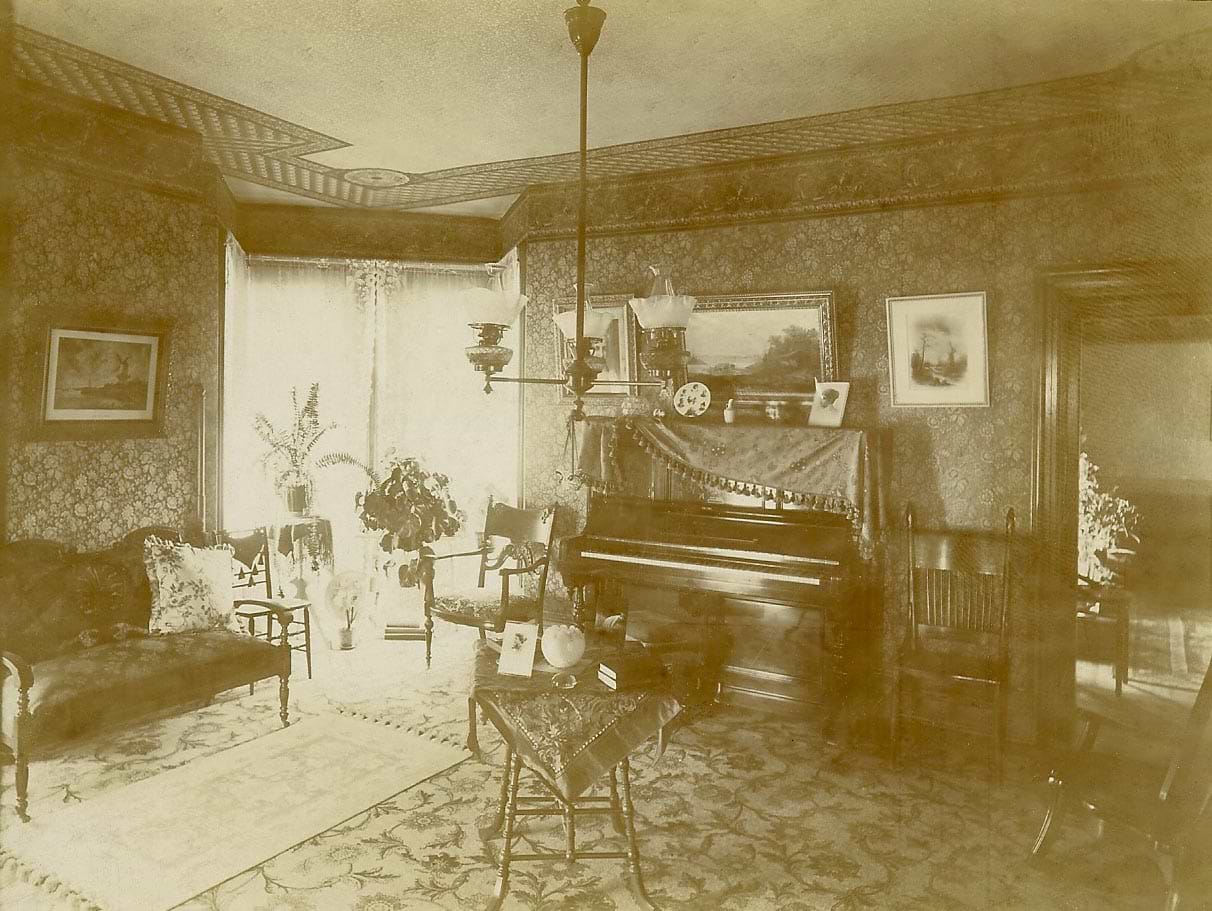
This period saw the emergence of distinct styles such as Neoclassicism, Gothic Revival and Victorian, each reflecting different cultural and social values. The Victorian era, in particular, was characterised by a cluttered, eclectic style that combined elements from various historical periods.
The interior design history of this time highlights the tension between traditional craftsmanship and industrial efficiency. As well as the growing influence of consumer culture on domestic life.
The 20th Century Minimalism
The turn of the 20th century brought about a radical transformation in the history of interior design, as the Arts and Crafts movement and the Bauhaus school challenged established conventions.
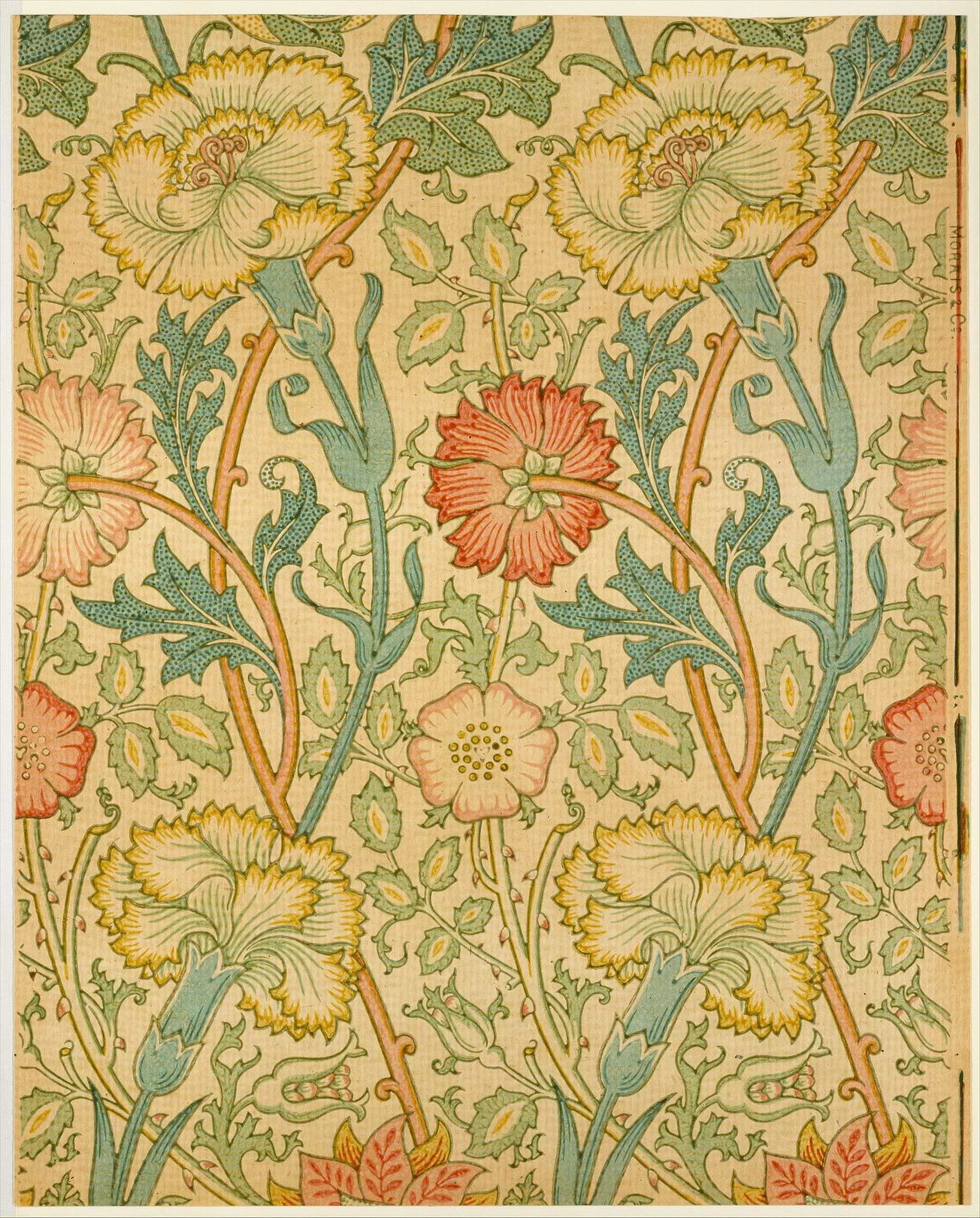
The Arts and Crafts movement, led by figures like William Morris, emphasised the value of handcrafted objects and the integration of art into everyday life.
In contrast, the Bauhaus school, founded by Walter Gropius, advocated for a functional, minimalist approach that rejected ornamentation in favour of form following function.
These movements laid the groundwork for modernism, which would dominate the mid-20th century. Modernist designers like Le Corbusier, Mies van der Rohe, and Eero Saarinen created spaces that were open, light-filled, and free from unnecessary decoration. This reflects a new optimism about the future and the power of technology.
Modern Interior Design
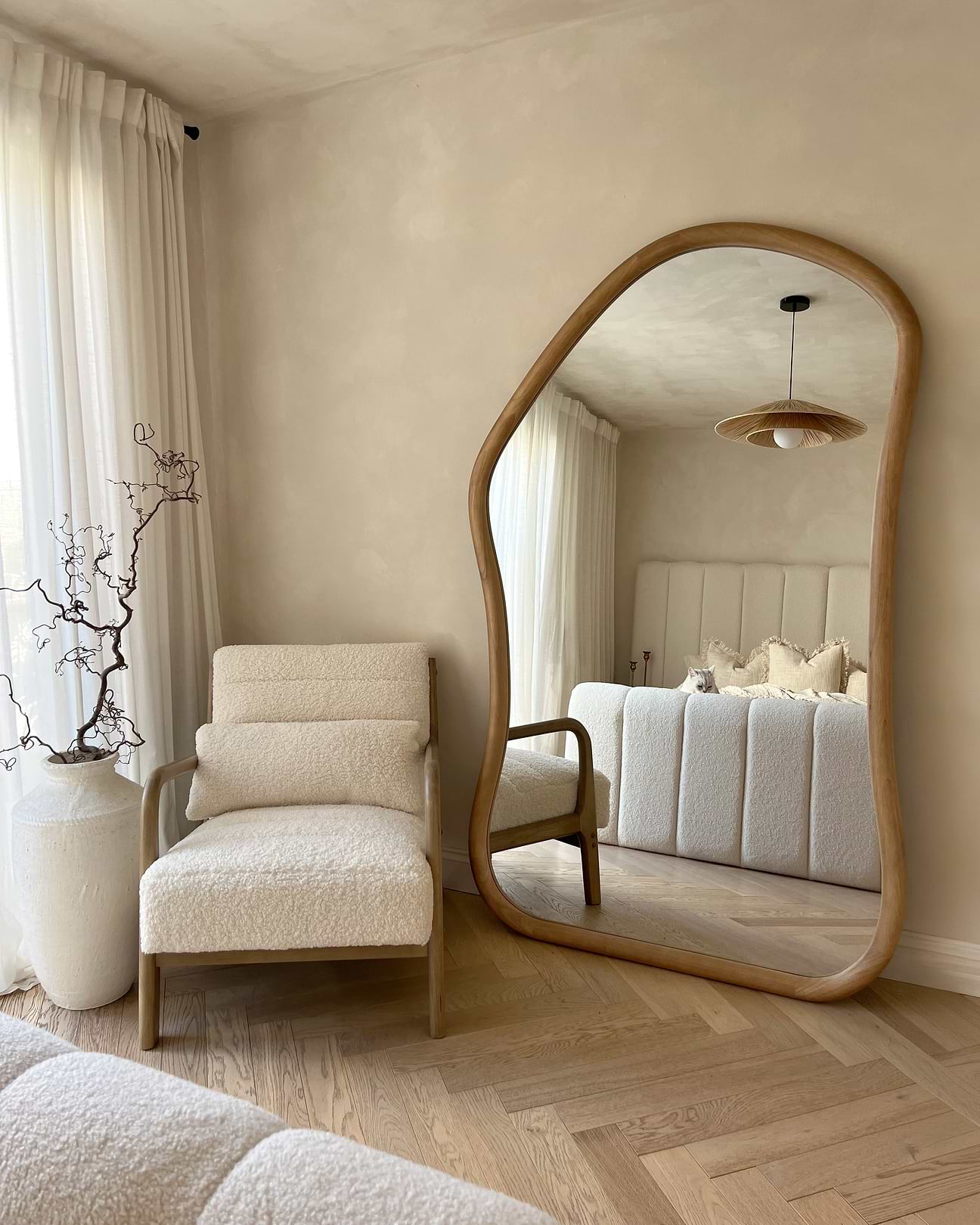
The late 20th and early 21st centuries have been marked by a diversity of styles and a renewed interest in sustainability and technology.
The interior design of this period reflects a growing awareness of globalisation and the impact of digital technology on our lives.
Today, we see a return to craftsmanship and a focus on eco-friendly materials, as designers seek to create spaces that are both beautiful and responsible.
Interior design continues to evolve, shaped by our changing needs, values, and aspirations.
Interior Design is a Reflection of Human Eras
From the simple shelters of prehistoric times to the sophisticated spaces of the modern era, interior design has always been about more than just aesthetics; it is about how we live and how we express our identity.
The story of interior design is far from over. As we face new challenges and opportunities, history will continue to provide inspiration and guidance. From sustainable materials to smart home technology, the future of interior design will be as exciting and transformative as its past.
By understanding the history, we can better appreciate the spaces we inhabit and create environments that improve our lives and reflect our values.